Oil Surge and Treasury Yield Spike Pressure U.S. Stocks as Global Risks Build
Oil climbed above $100 and the 10-year Treasury yield reached its highest level since 2023, pressuring U.S. stocks as investors confronted renewed Middle East conflict, higher borrowing costs and persistent inflation risks.

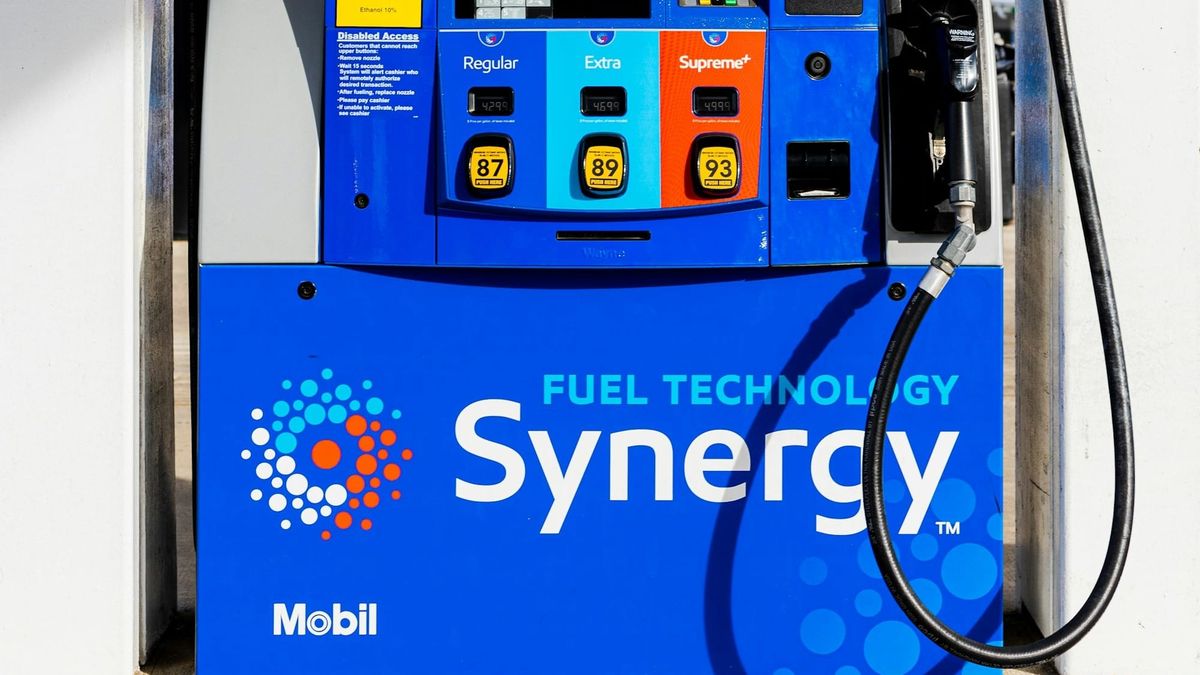
Oil, Bonds and Inflation Concerns Converge
U.S. stocks moved lower Wednesday as two major macro pressures intensified at the same time: crude oil prices surged as fighting between the U.S. and Iran escalated, while longer-term Treasury yields climbed following the government’s expanded debt-buyback announcement.
The Dow Jones Industrial Average fell about 0.7%, the Nasdaq Composite declined 0.7% and the S&P 500 dropped roughly 0.5%. Meanwhile, the 10-year Treasury yield climbed toward 4.85%, while Brent crude moved above $101 per barrel and West Texas Intermediate approached $96.
Key Points
- Brent crude climbed above $101 and WTI approached $96 as escalating U.S.-Iran fighting increased concerns about energy exports through the Strait of Hormuz.
- The 10-year Treasury yield rose toward 4.85%, its highest level since 2023, despite the Treasury expanding its planned long-dated debt buyback to as much as $6 billion.
- Higher energy prices and Treasury yields weighed on U.S. stocks while traders assigned a 60% probability to a 25-basis-point Federal Reserve rate increase this month.
Oil Above $100 Revives Inflation and Economic Concerns
Oil returned to triple digits as escalating fighting between the U.S. and Iran raised concerns about the security of energy supplies moving through the Persian Gulf.
Brent crude futures gained more than 3% to trade above $101 per barrel, crossing that threshold for the first time since July. U.S. benchmark WTI climbed more than 3% to around $96.
The latest escalation followed the U.S. military’s destruction of five Iranian crude oil tankers Tuesday in retaliation for attempted attacks on an American warship. U.S. Central Command said the American vessel avoided the Iranian attack and no U.S. personnel were harmed.
The renewed fighting has increased attention on the Strait of Hormuz and whether attacks on shipping will continue to disrupt Persian Gulf exports.
Goldman Sachs co-head of global commodities research Daan Struyven said the escalation has increased the risk of oil rising above $120 per barrel if attacks on tankers prevent exports from recovering. Goldman’s base case, however, remains for Persian Gulf exports to gradually recover as producers adjust through alternative shipping routes and eventually additional pipeline capacity.
For the U.S. economy, higher oil prices are feeding directly into inflation concerns. The increase in energy costs has coincided with rising expectations for another Federal Reserve rate increase. Traders assigned a 60% probability to a 25-basis-point hike this month, according to CME Group.
The economic effects of the conflict are already visible in consumer energy costs. U.S. crude was recently reported around 36% above its prewar level, while gasoline averaged $4.09 nationally. An analysis by Democratic staff on the congressional Joint Economic Committee estimated that Americans had paid an additional $71.5 billion for gasoline since the war began, equivalent to about $604 per household.
Why Are Treasury Yields Rising Despite Bigger Buybacks?
The bond market delivered another source of pressure Wednesday after the Treasury announced that it would purchase up to $6 billion of longer-dated government debt in the first operation under its expanded buyback program.
The maximum purchase is three times the $2 billion amount originally communicated to investors. Treasury Secretary Scott Bessent has described the expanded program as an effort to improve liquidity and prevent destabilizing moves in the government bond market.
Yet Treasuries sold off following the announcement. The 10-year yield rose to approximately 4.85%, its highest level since 2023.
The reaction reflected expectations that the Treasury might announce an even larger intervention. BNP Paribas rates strategist Guneet Dhingra said before the announcement that a maximum buyback of about $7 billion would be needed to surprise the market, with a smaller amount potentially triggering selling pressure.
Bessent has acknowledged that Treasury cannot change the equilibrium price of government debt. Instead, he has said the objective is to slow disruptive market moves and prevent damaging narratives from taking hold.
The expanded program also represents a more active approach to debt management. Long-dated buybacks allow financial institutions to sell harder-to-trade Treasury securities and potentially increase their capacity to participate in auctions of newly issued debt.
The announcement comes against a difficult backdrop. Long-term borrowing costs have been rising, and higher Treasury yields have pushed U.S. mortgage rates to their highest level in more than a year.
International demand is another part of that backdrop. Norway’s $2.3 trillion sovereign wealth fund has proposed reducing the government-bond portion of its fixed-income portfolio. Under the proposal, its Treasury allocation would gradually decline from 34.1% to 21.9%.
The fund instead wants greater exposure to nongovernment U.S. fixed income, including corporate bonds and mortgage-backed securities. Its proposed allocation to nongovernment U.S. fixed income would increase to 27.6% from 16.2%.
What Matters Next for the U.S. Economy and Global Markets?
Oil prices and Treasury yields are now creating overlapping pressures for markets.
Higher crude prices increase energy costs for households and businesses, while higher Treasury yields raise borrowing costs across the economy. Together, those developments are keeping inflation and monetary policy near the center of the stock market update.
The bond market remains particularly important. BTIG Research noted that the primary trend in yields remained higher, with the 10-year Treasury approaching 5%. NYSE downside volume reached roughly 70% Wednesday morning, its highest level since June but still below the 80% threshold associated with particularly broad selling sessions.
The weakness was not limited to major capitalization-weighted indexes. The Invesco S&P 500 Equal Weight ETF (RSP) was described as breaking below its multi-month uptrend, while weakness was also appearing in consumer finance, private credit and equal-weight semiconductor shares.
Energy markets are sending a more complicated signal. Crude rose sharply Wednesday, but oil and gas exploration equities were weaker during the session. Refiners, meanwhile, have experienced substantial advances amid elevated refining margins.
Those margins have accompanied a sharp improvement in industry profits. Nine major energy companies examined in the provided data generated a combined $47.6 billion in second-quarter profit, roughly triple the $15.9 billion earned a year earlier.
The global bond market adds another layer of uncertainty. Norway’s proposed Treasury reduction would be gradual, but it comes as investors are already focused on government debt loads and the reliability of traditional buyers of U.S. debt. The fund plans to diversify rather than simply leave U.S. fixed income, including through greater exposure to corporate and mortgage-backed securities.
What It Means for Investors
Wednesday’s market news reflects a convergence of risks rather than a single catalyst.
Oil above $100 matters because energy prices directly affect consumers and businesses and can reinforce inflation pressure. Treasury yields approaching 5% matter because government borrowing costs influence financing conditions throughout the economy. The combination also comes as traders have increased expectations for another Federal Reserve rate hike.
The Treasury’s expanded buyback program adds an important market signal. Increasing the planned maximum purchase to $6 billion demonstrates an effort to improve liquidity in longer-dated government debt, but the subsequent rise in yields shows that the announcement did not immediately reverse the underlying market pressure.
Global capital flows also bear watching. Norway’s sovereign wealth fund is not proposing a broad withdrawal from U.S. fixed income, but its planned shift away from government bonds toward corporate debt and mortgage-backed securities illustrates how one major institutional investor is reconsidering its fixed-income allocation.
For stock investors, the immediate picture is therefore tied closely to developments outside the equity market. Oil, Treasury yields, inflation expectations and Federal Reserve expectations are all influencing market sentiment simultaneously.
Conclusion
The stock market today is being shaped by two powerful macro forces: renewed pressure on global energy supplies and rising U.S. borrowing costs.
Brent crude’s move above $101 followed another escalation in the U.S.-Iran conflict, increasing concerns about exports through the Strait of Hormuz. At the same time, the 10-year Treasury yield approached 4.85% even after the government announced a substantially larger long-dated debt buyback.
Those developments weighed on the Dow, S&P 500 and Nasdaq while reinforcing inflation concerns and expectations for tighter monetary policy.
The next market signals will come from whether Persian Gulf exports stabilize, whether Treasury’s expanded buybacks improve conditions in longer-dated debt, and whether the 10-year yield continues moving toward the 5% level highlighted by market strategists.
FAQs
Why did U.S. stocks fall Wednesday?
U.S. stocks moved lower as oil prices surged amid escalating U.S.-Iran fighting and Treasury yields climbed. The Dow and Nasdaq fell about 0.7%, while the S&P 500 declined roughly 0.5%.
Why did oil rise above $100 per barrel?
Brent crude moved above $101 as escalating U.S.-Iran fighting increased concerns about disruptions to energy exports through the Strait of Hormuz. WTI crude also climbed to around $96.
Why did the 10-year Treasury yield rise after the buyback announcement?
The Treasury announced a maximum long-dated debt buyback of $6 billion, but some market participants had anticipated an even larger operation. Treasuries declined following the announcement, pushing the 10-year yield toward 4.85%.
How could higher oil prices affect the U.S. economy?
Higher oil prices increase energy costs for consumers and businesses and can add to inflation pressure. Gasoline was recently averaging $4.09 nationally, while traders assigned a 60% probability to a 25-basis-point Federal Reserve rate increase this month.
Is global demand for U.S. Treasuries changing?
Norway’s $2.3 trillion sovereign wealth fund has proposed gradually reducing its Treasury allocation from 34.1% to 21.9% while increasing exposure to other U.S. fixed-income assets, including corporate bonds and mortgage-backed securities.
This article was created with AI assistance and reviewed by an editor. For details, please refer to our Terms of Use.
Go Beyond the Market Brief with Market Edge
Follow SharperTrades’ complete approach to trading and investing, combining active trade opportunities through Block Orders, long-term research through Stock Investor, and structured market education through the Swing Trading Masterclass. Try Market Edge for $19 your first month →
Explore Research with Stock Investor
Stock Investor is SharperTrades’ platform for long-term investing research and portfolio management. Members receive research reports, portfolio updates, conviction tracking, and in-depth analysis designed to support disciplined investment decisions.
Explore Active Trading & Income Strategies
Block Orders tracks institutional activity and highlights active trade setups and price behavior across long and short opportunities.
For options-focused traders, Essential Option Income provides a structured approach to options income strategies, while Pro Option Trader offers a broader range of options strategies and trade opportunities.
Think More Clearly with SteadyCapital
SteadyCapital is SharperTrades’ decision-support system for long-term investors, built around the SteadyCapital Method™. Review investment ideas, challenge assumptions, evaluate valuation and risk, compare companies, and think through important buy, hold, add, trim, or sell decisions before you act.
Risk Disclosure
All content is provided for educational purposes only and does not constitute investment advice. Trading involves risk, and past performance is not indicative of future results. Please review our full Risk Disclosure for additional information.