Markets Split as AI Costs and Growth Expectations Diverge
AI investment concerns, shifting earnings expectations, and changing economic conditions drove contrasting stock reactions during November 1–6, 2026. Strong business growth rewarded some companies while rising costs and cautious guidance pressured others.

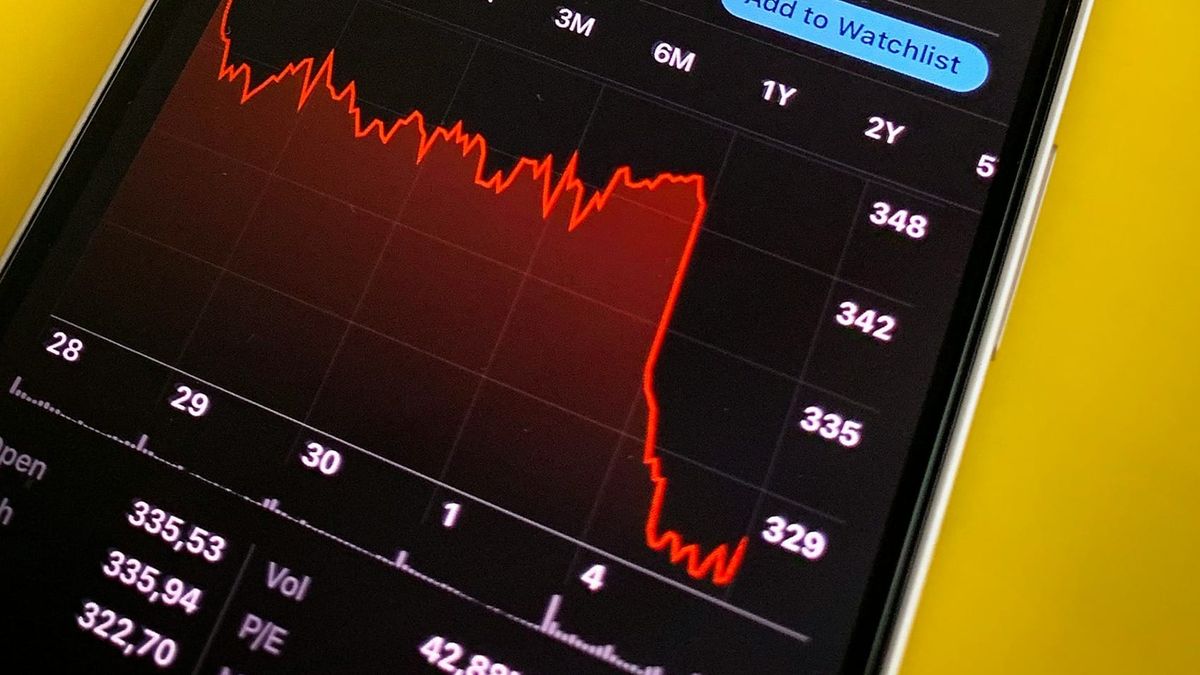
A Week When Business Momentum and Market Confidence Diverged
The first trading week of November 2026 exposed a growing divide between corporate performance and investor expectations. Strong earnings, expanding artificial intelligence demand, and resilient consumer activity continued to support business growth, but share prices responded unevenly as concerns about spending, profitability, and future returns intensified. The divergence was most visible in technology, where sharp rallies in companies with improving operating performance contrasted with heavy selling in businesses facing rising infrastructure costs or slowing growth expectations. Similar differences appeared across travel, restaurants, financial services, and healthcare.
Political developments added another dimension. A sweeping Democratic victory in the November 3 midterm elections initially lifted stocks, but the subsequent technology-led selloff showed how quickly attention returned to company fundamentals and financial risks.
Key Points
- AI growth produced sharply different reactions: AppLovin, Cloudflare, and Fabrinet rallied on improving business momentum, while Palantir, Arm, and Tower Semiconductor faced selling pressure despite favorable AI-related developments.
- Forward expectations frequently outweighed quarterly results: Datadog, Shopify, Expedia, CAVA, and Dutch Bros declined as slower growth, rising costs, or margin concerns overshadowed their operating performance.
- Market risk became more visible: A post-election rally gave way to a technology-led selloff, while the SharperTrades Market Risk Monitor identified worsening credit and volatility conditions despite incomplete risk readings.
The Repeating Pattern
Markets Drew a Sharper Line Between Growth and Financial Returns
The recurring pattern was not a broad rejection of corporate growth. Instead, market reactions increasingly distinguished between companies translating expansion into stronger profitability and those facing rising costs, elevated expectations, or uncertain returns.
Palantir (PLTR) illustrated the latter. Revenue surged 96% and management raised its annual outlook, yet shares declined as slowing bookings and moderating sequential growth raised questions about sustaining its expansion. Tower Semiconductor (TSEM) also exceeded earnings expectations and raised its revenue outlook as AI connectivity demand accelerated, but its shares fell amid concerns about valuation, capital spending, and increasing reliance on AI infrastructure.
Marvell Technology (MRVL) saw a similar response after announcing its $115 billion acquisition of Lumentum. The deal expanded Marvell's position in AI data-center connectivity, but concerns about valuation, shareholder dilution, and the sustainability of infrastructure spending weighed on its stock. AppLovin (APP) offered the contrast: its shares surged nearly 30% after accelerating cash flow, stronger earnings, and an upbeat revenue outlook demonstrated improving financial performance alongside AI-driven advertising growth.
Despite different catalysts, the distinction was clear: expanding revenue and strategic investment did not consistently produce favorable share-price reactions when questions remained about future financial performance.
How Markets Responded Across Events
AI Growth Rewarded Operating Momentum but Exposed Spending Risks
Artificial intelligence remained central to the week's market activity, although its influence differed considerably across businesses.
Cloudflare (NET) rallied more than 11% after reporting 39% revenue growth, its fastest pace in nearly four years. Enterprise demand, AI applications, and cybersecurity services supported stronger results and higher annual guidance, although declining gross margins and continued GAAP losses remained concerns. Fabrinet (FN) gained nearly 15% as accelerating AI data-center demand drove record revenue and stronger guidance. Its expanding optical manufacturing operations reflected growing infrastructure requirements, even as higher investment spending pressured cash flow. AppLovin's rally offered another example: improvements in AI advertising models, expansion into e-commerce, and accelerating cash generation helped ease concerns about slowing growth.
Other AI-related businesses encountered a more difficult response. Arm Holdings (ARM) tumbled after weaker-than-expected smartphone royalty revenue overshadowed strong licensing growth and expanding AI data-center demand. Qualcomm (QCOM) also plunged as weaker profit guidance, higher chip costs, and smartphone-market weakness outweighed rapid automotive growth and AI expansion. AMD (AMD) reported record third-quarter revenue as AI data-center sales nearly doubled, and management raised its 2027 growth outlook. However, weaker PC demand, rising memory costs, and concerns about infrastructure spending remained important counterweights.
The distinction extended beyond semiconductor manufacturers. Apple (AAPL) exceeded earnings expectations as iPhone and Mac sales strengthened, but rising memory costs and slower Services growth pressured shares. Shopify (SHOP) declined sharply as slower merchandise growth, rising AI infrastructure costs, and a cautious holiday margin outlook overshadowed stronger earnings and cash flow. Salesforce (CRM) faced scrutiny after agreeing to acquire voice AI company Cresta in a reportedly $2.7 billion transaction, with shares declining as investors assessed acquisition costs and integration risks alongside the company's broader AI strategy.
By November 5, these concerns had contributed to a substantial semiconductor and technology selloff. Nvidia (NVDA), AMD, and Micron (MU) were among the companies affected as doubts about data-center spending, earnings outlooks, and valuations intensified, pushing the Nasdaq into correction territory. The contrast between Cloudflare, Fabrinet, and AppLovin on one side and Arm, Qualcomm, and Palantir on the other illustrated how market reactions varied according to financial execution, business mix, and expectations rather than AI exposure alone.
Guidance and Profitability Divided Consumer and Digital Businesses
The same distinction appeared in digital services and consumer-facing companies. Datadog (DDOG) fell approximately 14% after its fourth-quarter revenue outlook signaled slower growth and weaker margins. Strong third-quarter earnings and expanding AI adoption were overshadowed by reduced usage from its largest customer. Duolingo (DUOL) experienced the opposite reaction, surging more than 30% despite an earnings miss. Accelerating daily active user growth, stronger engagement, improving bookings, and an upbeat fourth-quarter outlook gave investors a more favorable picture of its operating trajectory. Block (XYZ) jumped nearly 16% after stronger earnings, higher growth forecasts, and lower operating costs supported profitability. Square's payment momentum and the company's expanding AI strategy reinforced the positive reaction, although lending and regulatory risks remained relevant.
Restaurant operators presented another contrast. Cava (CAVA) and Dutch Bros (BROS) sold off as slowing customer traffic and rising costs raised questions about future margins despite continued expansion. McDonald's (MCD), meanwhile, gained more than 5% after mixed earnings, as improving traffic trends, renewed value promotions, and specialty beverages supported its shares despite weaker U.S. sales and the cost of restaurant modernization. Monster Beverage (MNST) also demonstrated the limits of revenue growth: shares declined despite nearly 17% sales growth as higher aluminum and distribution expenses, slower earnings growth, and weakness in selected U.S. brands pressured profitability.
Across these businesses, market responses reflected differences in customer engagement, operating costs, and the credibility of future growth expectations.
Travel Demand Remained Resilient, but Stocks Responded Differently
Travel companies provided particularly clear evidence that favorable industry conditions did not guarantee similar stock performance. Airbnb (ABNB) surged more than 10% after strong global bookings and AI-driven cost savings supported its fastest revenue growth in more than three years. The company raised its 2026 outlook while expanding hotel offerings and developing an AI-powered travel platform. Booking Holdings (BKNG) also rallied more than 10%, as investors emphasized resilient bookings, stronger underlying revenue, and earnings growth despite an FTC-related charge and indications of slower international travel.
Expedia (EXPE), however, fell 12% despite strong third-quarter earnings and higher annual guidance. Slower fourth-quarter booking expectations, softer revenue growth, and margin pressure overshadowed its recent performance. Marriott (MAR) raised its 2026 outlook as higher room rates, franchise fees, and resilient travel demand supported earnings, and Hyatt's results reinforced the industry's underlying strength, although regional disruptions and development challenges remained.
These outcomes showed how companies exposed to the same broad demand trends could experience substantially different market reactions when their near-term outlooks diverged.
Political Developments and Economic Pressures Added Complexity
The November 3 midterm elections introduced a separate source of market repricing. Democrats' sweeping victory initially sent stocks sharply higher, with Big Tech, clean energy, and healthcare gaining. AI infrastructure companies, defense contractors, and Elon Musk-linked businesses faced selling pressure as investors assessed changing policy priorities. The subsequent technology selloff demonstrated that political developments were only one influence on market behavior, as concerns about AI spending, earnings expectations, and valuations continued to shape price reactions.
The economic backdrop was similarly mixed. U.S. consumer spending and manufacturing supported continued expansion, while persistent inflation, rising household expenses, and uneven labor-market conditions complicated the Federal Reserve's outlook. Housing provided another example: mortgage rates reached 7.4%, weakening sales activity even as home prices remained resilient because of homeowner equity, limited selling pressure, and regional differences.
Company-specific developments appeared in other sectors as well. ConocoPhillips (COP) reported stronger earnings as higher oil and gas prices offset declining production, and raised its dividend by 11%. In healthcare, Humana (HUM) raised its earnings guidance as medical costs improved and Medicare Advantage enrollment strengthened, while Pfizer (PFE) increased its outlook as oncology and newer medicines helped offset declining COVID-19 product sales.
Together, these developments showed that economic resilience, political changes, and sector-specific pressures could influence markets simultaneously without producing uniform outcomes.
What This Behavior Suggests
Market Participation Became More Selective as Expectations Diverged
The combined evidence reveals a market placing considerable weight on the relationship between operating growth, financial performance, and expectations. Revenue expansion remained important, but the reactions to Palantir, Datadog, and Shopify showed that investors also responded to slowing forward indicators, rising costs, and the sustainability of profitability. At the same time, rallies in AppLovin, Cloudflare, Duolingo, and Block demonstrated that improving business momentum could attract support even when companies faced other operating challenges.
This selectivity was especially pronounced within AI-related businesses. Companies funding or expanding infrastructure faced questions about investment requirements and future returns, while several suppliers and software businesses benefited from stronger demand, cash generation, or operating execution. The pattern also extended to travel and consumer spending, where businesses serving similar markets experienced different reactions according to guidance, margins, and customer trends. The week's sharp reversal from a post-election rally to a technology-led decline further demonstrated that broad market direction and individual company performance were not necessarily moving together.
SharperTrades Market Risk Monitor
Observation Date: Friday, November 6, 2026
Structural Risk (JRS): Approximately 48/100 — Elevated
Breakdown Risk (CCS): Approximately 28–29/100 — Low
Market Regime: EXPENSIVE BULL
According to the SharperTrades Market Risk Monitor, market stress increased during the week as technology shares declined, high-yield credit spreads widened, and short-term volatility intensified. Updated data place Structural Risk near 48 and Breakdown Risk around 28–29, modestly above the initial provisional readings. The S&P 500 remained above its rising 200-day moving average, but investors showed greater sensitivity to AI spending, valuations, and corporate execution, while relative resilience in equal-weighted stocks partly offset the deterioration in technology sentiment. The EXPENSIVE BULL regime is unchanged under the dashboard's established classification thresholds, although the reconstructed scores remain subject to final data reconciliation.
The Market Risk Monitor measures market conditions, not predictions.
Why This Context Matters
Earnings Results and Market Expectations Tell Different Stories
The week's events highlighted why business performance and stock-price movements cannot be interpreted as interchangeable measures. Quarterly earnings describe revenue, profitability, and operating conditions over a completed period, while share prices also incorporate expectations about future growth, financing needs, competitive pressures, and the financial returns associated with expansion. A company can therefore report strong earnings and still face a negative market reaction if its outlook falls short of expectations. Conversely, an earnings miss may receive a favorable response when customer engagement, bookings, or future operating trends improve.
The distinction is particularly relevant when investment requirements are increasing. AI infrastructure expansion can support stronger demand for chips, networking equipment, and cloud services while creating different financial pressures for the businesses involved. Broader conditions add another layer, as political developments, interest-rate expectations, and volatility can influence valuations even when underlying business activity remains resilient. Together, these separate influences help explain why strong corporate results can coexist with weak market performance, and why companies in the same industry can move in opposite directions.
Conclusion
The first week of November revealed increasingly selective market participation amid continued corporate growth, substantial AI investment, and changing economic conditions. Strong operating momentum supported significant rallies in several businesses, while rising costs, cautious guidance, and financing concerns contributed to sharp declines elsewhere. The technology-led selloff and worsening credit and volatility conditions added pressure beyond individual earnings announcements.
The week's defining pattern was the growing separation between business expansion and the financial expectations investors attached to that growth.
FAQs
Why did AI-related stocks experience such different reactions?
AI-related stocks reacted differently because their financial performance and investment requirements varied. AppLovin, Cloudflare, and Fabrinet benefited from improving business momentum, while Palantir, Arm, and Tower Semiconductor faced concerns about growth expectations, costs, or valuation.
Why did strong earnings fail to support several stocks?
Strong earnings failed to support several stocks because investors focused on future guidance, operating margins, and growth expectations. Datadog, Shopify, and Expedia declined as concerns about slower growth or rising costs overshadowed their quarterly performance.
Why did some consumer and travel stocks rally while others declined?
Consumer and travel stocks diverged because their operating trends and outlooks differed. Airbnb and Booking Holdings rallied on resilient demand and favorable business momentum, while Expedia, CAVA, and Dutch Bros faced concerns about slower growth, customer traffic, or margins.
What did the SharperTrades Market Risk Monitor indicate on November 6?
The SharperTrades Market Risk Monitor reported indicative Structural Risk of approximately 48/100 (Elevated) and Breakdown Risk of approximately 29/100 (Low), with an unconfirmed EXPENSIVE BULL regime. The incomplete readings accompanied worsening credit spreads and volatility and were not finalized official scores.
What was the most consistent market behavior during the week?
The most consistent behavior was selective participation based on profitability, forward expectations, and financial execution. Companies demonstrating improving operating momentum often received more favorable reactions than businesses facing rising investment costs or weaker growth outlooks.
This article was created with AI assistance and reviewed by an editor. For details, please refer to our Terms of Use.
Go Beyond the Market Brief with Market Edge
Follow SharperTrades’ complete approach to trading and investing, combining active trade opportunities through Block Orders, long-term research through Stock Investor, and structured market education through the Swing Trading Masterclass. Try Market Edge for $19 your first month →
Explore Research with Stock Investor
Stock Investor is SharperTrades’ platform for long-term investing research and portfolio management. Members receive research reports, portfolio updates, conviction tracking, and in-depth analysis designed to support disciplined investment decisions.
Explore Active Trading & Income Strategies
Block Orders tracks institutional activity and highlights active trade setups and price behavior across long and short opportunities.
For options-focused traders, Essential Option Income provides a structured approach to options income strategies, while Pro Option Trader offers a broader range of options strategies and trade opportunities.
Think More Clearly with SteadyCapital
SteadyCapital is SharperTrades’ decision-support system for long-term investors, built around the SteadyCapital Method™. Review investment ideas, challenge assumptions, evaluate valuation and risk, compare companies, and think through important buy, hold, add, trim, or sell decisions before you act.
Risk Disclosure
All content is provided for educational purposes only and does not constitute investment advice. Trading involves risk, and past performance is not indicative of future results. Please review our full Risk Disclosure for additional information.