Margin Pressure Weighs on Monster Beverage Despite Strong Global Sales Growth
Monster Beverage shares declined after third-quarter revenue rose nearly 17%, supported by strong international demand. Higher aluminum and distribution costs, slower earnings growth, and weaker performance across some U.S. brands overshadowed the sales increase.

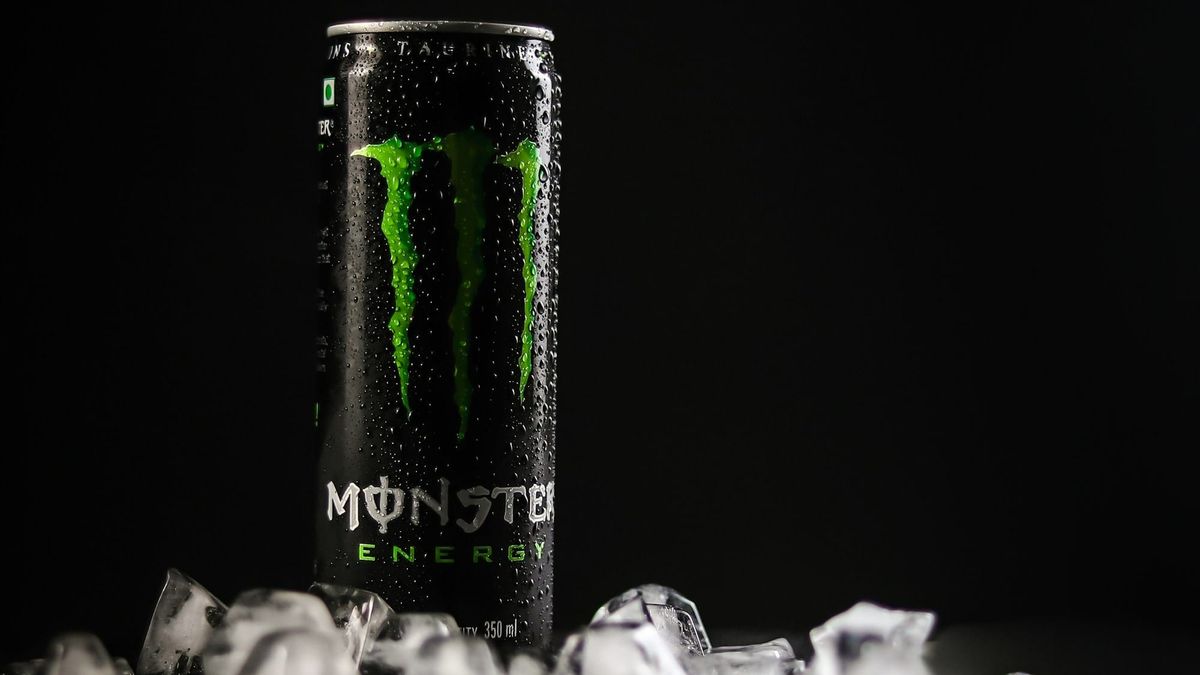
Monster Beverage's Global Expansion Comes With Rising Costs
Monster Beverage (MNST) shares fell more than 3% on Friday, November 6, 2026, following a mixed third-quarter earnings report that highlighted the growing gap between strong international sales and profitability.
The energy drink maker exceeded Wall Street's revenue expectations, supported by rapid expansion in Latin America and Europe. However, declining profit margins, higher operating expenses, and slower growth across parts of its U.S. portfolio weighed on investor sentiment despite continued demand for energy drinks.
Key Points
- International growth drives revenue: Monster Beverage's third-quarter sales increased 16.7% to $2.56 billion, led by a 28.1% increase in international revenue, with Latin America delivering particularly strong growth.
- Margin pressure weighs on earnings: Gross margin declined to 54.7% as higher aluminum, freight, and distribution costs offset some of the benefits of stronger sales. Adjusted earnings of $0.30 per share matched expectations.
- Competition and capital returns remain in focus: Monster's U.S. portfolio grew more slowly than the broader energy drink category, while the company repurchased approximately $100 million in shares and retained roughly $800 million in authorized buyback capacity.
International Demand Drives Record Revenue, but U.S. Growth Lags
Monster Beverage reported record third-quarter net sales of $2.56 billion, an increase of 16.7% from the previous year and above Wall Street expectations of approximately $2.49 billion. The Monster Energy Drinks segment, which includes Monster Energy, Reign, Bang Energy, and other products, generated $2.37 billion in sales, up 17.1%. Its Strategic Brands segment also expanded, benefiting from growth across its international beverage portfolio.
International markets remained the company's strongest growth driver. Sales outside the United States increased 28.1% to $1.20 billion, representing approximately 47% of total revenue, compared with 43% a year earlier. Latin America led the expansion with nearly 49% revenue growth, supported by particularly strong performance in Brazil. Europe, the Middle East, and Africa also recorded substantial gains, reflecting broader distribution and growing consumer adoption. Management attributed international momentum to increasing household penetration, higher purchase frequency, and the continued expansion of energy drinks into mainstream beverage consumption.
The domestic picture was more mixed. According to Nielsen data cited by the company, Monster's U.S. portfolio dollar sales increased approximately 5%, compared with 12.4% growth for the broader energy drink category. Core Monster products performed better, supported by the Ultra and Juice Monster lines, but Reign and Bang experienced significant declines. The divergence highlights an important challenge: Monster continues to expand globally, but its U.S. portfolio is not capturing the full pace of category growth.
Why Are Monster Beverage's Profit Margins Under Pressure?
Despite stronger revenue, Monster's profitability did not increase at the same pace. Adjusted earnings were $0.30 per share, matching analyst expectations, while net income rose to $568.4 million from $524.5 million a year earlier. Gross margin declined to 54.7% from 55.7%, reflecting higher aluminum and freight costs alongside a growing contribution from international markets, which generally carry lower margins. This geographic shift creates a trade-off for the company: international expansion adds revenue and increases Monster's global presence, but the changing sales mix weighs on its overall gross margin percentage.
Operating expenses also increased faster than revenue, rising 24.2% as distribution, freight, and marketing spending climbed. Consequently, operating income increased only 6.4%, while operating margin declined to approximately 28% from 30.7% a year earlier.
Aluminum remains a particular concern. Management noted that raw aluminum prices had risen substantially from the previous year and expects modest additional cost increases through at least the first quarter of 2027. Monster has implemented pricing adjustments to offset some of these pressures, including additional U.S. price increases effective November 1. However, the company continues to balance higher costs with its efforts to expand distribution and maintain competitive pricing. The weaker margin performance helps explain why investors reacted negatively to an otherwise strong revenue report.
Product Innovation, Competition, and Share Buybacks Shape the Outlook
Monster continues to invest in product innovation as competition intensifies across the energy drink market. The company introduced new offerings across several brands during the quarter and is preparing additional launches for 2027, including protein and espresso products. Management acknowledged that its 2026 product rollout may have included too many introductions and indicated that next year's strategy will emphasize better timing and product quality.
Distribution expansion remains another priority. Through collaborations supported by the Coca-Cola (KO) distribution system, Monster is pursuing additional opportunities in restaurants, hotels, and other food-service locations, with partnerships with Carl's Jr., Tim Hortons, and Marriott among the initiatives highlighted by management. The company is also targeting younger consumers through social media and product development, while expanding its zero-sugar offerings in international markets.
Not every business segment is benefiting equally. Monster's Alcohol Brands division reported a 13.6% sales decline, underscoring continued weakness outside its core energy drink operations. Recent sales trends also warrant attention. Management estimated that October sales excluding alcohol increased approximately 11.6% year over year, below the third quarter's growth rate. However, executives cautioned that October had one fewer selling day and that monthly results can fluctuate because of promotions, product launches, and distribution timing.
Alongside these investments, Monster continued returning capital to shareholders through share repurchases. During the third quarter, the company bought back approximately 2.3 million shares for roughly $100 million, at an average price of $43.87 per share. As of November 4, approximately $800 million remained available under existing share repurchase authorizations. The repurchases represent an additional component of Monster's capital allocation strategy as it balances shareholder returns with international expansion and product development.
What It Means for Investors
Monster Beverage's third-quarter results highlight a business benefiting from strong global demand while facing increasing pressure on profitability. International markets continue to provide substantial growth opportunities, particularly as energy drinks gain broader consumer acceptance in Latin America and Europe. However, the shift toward lower-margin international sales, combined with higher packaging and distribution expenses, is limiting the earnings benefit from that expansion.
Domestic competition presents another challenge. Although the U.S. energy drink category remains healthy, Monster's portfolio growth has lagged the broader market, with some secondary brands underperforming. The company's pricing adjustments, product launches, and distribution partnerships are important developments to monitor as it works to maintain growth while addressing cost pressures.
For investors following MNST stock, the central issue is whether international growth and pricing improvements can offset rising costs and support stronger profit margins.
Conclusion
Monster Beverage delivered another quarter of strong revenue growth, supported by expanding international demand and continued consumer interest in energy drinks. However, higher aluminum and distribution costs, a less favorable geographic sales mix, and uneven U.S. brand performance weighed on profitability and contributed to the stock's negative earnings reaction. The next phase will depend on Monster's ability to sustain international growth while improving margins and strengthening its competitive position in the domestic energy drink market.
FAQs
Why did Monster Beverage stock fall after its third-quarter earnings?
Monster Beverage shares declined more than 3% after the company reported lower profit margins and higher operating expenses. Although revenue exceeded expectations, adjusted earnings only matched estimates, and some U.S. brands underperformed the broader energy drink market.
How did Monster Beverage perform in the third quarter of 2026?
Monster reported revenue of $2.56 billion, up 16.7% year over year, and adjusted earnings of $0.30 per share. International sales increased 28.1%, while gross margin declined to 54.7% from 55.7%.
Why are Monster Beverage's profit margins declining?
Monster's margins are under pressure from higher aluminum, freight, and distribution costs, along with a growing proportion of sales from international markets that generally carry lower margins. Operating expenses also increased faster than revenue.
Is Monster Beverage buying back its shares?
Yes. Monster repurchased approximately 2.3 million shares for about $100 million during the third quarter of 2026. As of November 4, approximately $800 million remained available under existing share repurchase authorizations.
What are the main factors affecting Monster Beverage's outlook?
Key factors include continued international expansion, aluminum and distribution costs, pricing adjustments, competition in the U.S. energy drink market, and the performance of new products planned for 2027.
This article was created with AI assistance and reviewed by an editor. For details, please refer to our Terms of Use.
Go Beyond the Market Brief with Market Edge
Follow SharperTrades’ complete approach to trading and investing, combining active trade opportunities through Block Orders, long-term research through Stock Investor, and structured market education through the Swing Trading Masterclass. Try Market Edge for $19 your first month →
Explore Research with Stock Investor
Stock Investor is SharperTrades’ platform for long-term investing research and portfolio management. Members receive research reports, portfolio updates, conviction tracking, and in-depth analysis designed to support disciplined investment decisions.
Explore Active Trading & Income Strategies
Block Orders tracks institutional activity and highlights active trade setups and price behavior across long and short opportunities.
For options-focused traders, Essential Option Income provides a structured approach to options income strategies, while Pro Option Trader offers a broader range of options strategies and trade opportunities.
Think More Clearly with SteadyCapital
SteadyCapital is SharperTrades’ decision-support system for long-term investors, built around the SteadyCapital Method™. Review investment ideas, challenge assumptions, evaluate valuation and risk, compare companies, and think through important buy, hold, add, trim, or sell decisions before you act.
Risk Disclosure
All content is provided for educational purposes only and does not constitute investment advice. Trading involves risk, and past performance is not indicative of future results. Please review our full Risk Disclosure for additional information.