Marriott’s Travel Demand and Fee Growth Signal Resilience Across the Hotel Industry
Marriott raised its 2026 outlook as strong travel demand, higher room rates, and franchise fees supported earnings. Hyatt's results reinforced hospitality-sector resilience, although regional disruptions and development challenges remain.

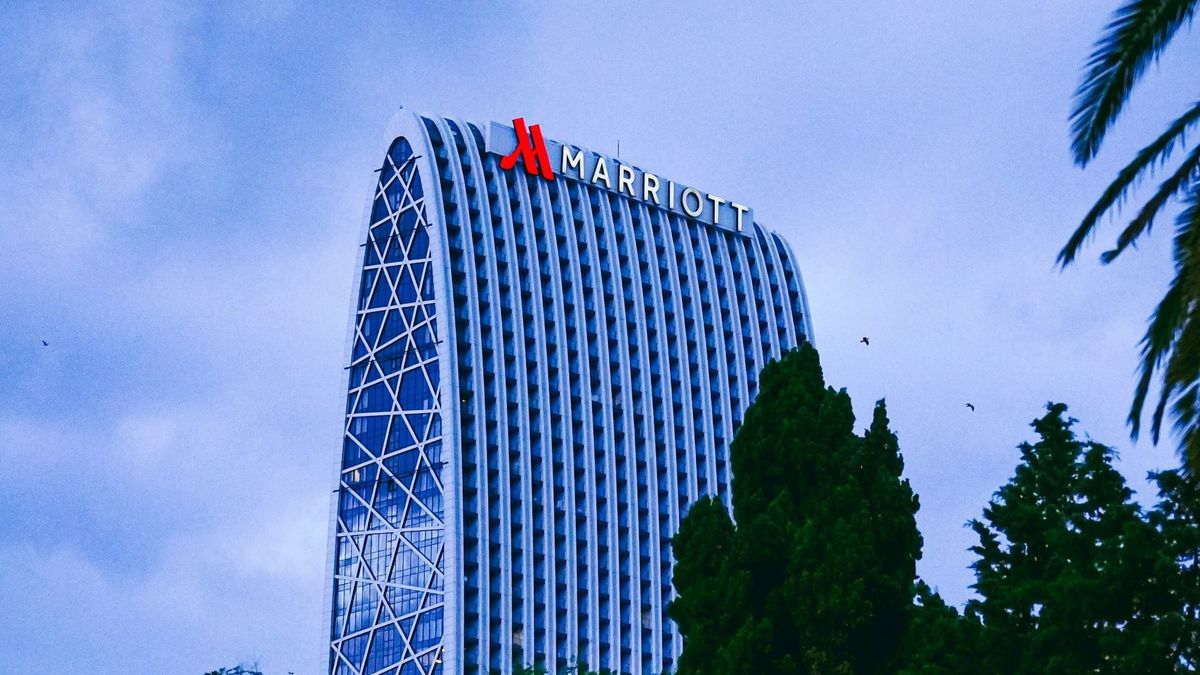
Hotel Demand Holds Firm as Marriott and Hyatt Report Stronger Performance
The hospitality industry is showing continued strength despite geopolitical uncertainty and uneven regional travel conditions. Marriott International (MAR) reported better-than-expected third-quarter earnings on November 2, 2026, supported by higher hotel occupancy, stronger room rates, and expanding fee revenue.
Marriott shares advanced approximately 3.4% following the results, while Hyatt Hotels (H) also traded higher after reporting stronger-than-expected earnings the previous week. Together, the results point to resilient leisure and business travel demand, although the companies face different operating pressures and regional challenges.
Key Points
- Travel demand remains resilient: Marriott reported 6.5% global revenue per available room growth, supported by leisure, group, and business travel, while Hyatt recorded growth across customer segments.
- Hotel operators benefit from diversified revenue: Marriott's franchise, management, and credit-card fees strengthened earnings, while Hyatt continued expanding its business travel services.
- Regional and development risks persist: Middle East disruptions, uneven construction activity, and changing travel patterns remain important considerations despite improving profitability.
Marriott’s Fee-Based Business Drives Earnings and Raises Expectations
Marriott's third-quarter revenue increased 8% to approximately $7.01 billion, exceeding analyst expectations. Adjusted earnings rose 22% to $3.02 per share, supported by higher room rates, increased occupancy, and expanding fee income.
Revenue per available room, or RevPAR, increased 6.5% worldwide. This widely used hotel industry metric combines room pricing and occupancy to measure how effectively hotels generate revenue from their available rooms. Demand was particularly strong in the United States and Canada, where RevPAR rose 7.4%, or 6.2% excluding the impact of the World Cup. Luxury properties performed especially well, but select-service hotels also recorded solid growth, and leisure, group, and business travel all contributed globally.
Marriott's fee-based business provided an additional source of earnings growth. Gross fee revenue increased 14% to $1.52 billion, reflecting hotel performance, additional rooms, and higher co-branded credit-card fees. This model allows Marriott to generate revenue from franchised and managed hotels without owning most of the underlying properties.
The company also continued expanding its global footprint, with a record development pipeline of more than 634,000 rooms and hotel conversions representing a significant share of new openings. These developments prompted Marriott to raise its full-year adjusted earnings outlook to $12.07–$12.14 per share and its global RevPAR growth forecast to 4.5%–5%, compared with the previous 3%–3.5% range.
Why Are Marriott and Hyatt Stocks Responding Positively?
Marriott's share-price advance followed an earnings report that exceeded expectations and included stronger guidance for both the fourth quarter and the full year. The market reaction reflects more than improving hotel occupancy. Marriott demonstrated that expanding room distribution, higher management fees, and additional revenue from its loyalty and credit-card relationships can support earnings growth even when some individual properties face pressure. Share repurchases also contributed to earnings-per-share growth by reducing the number of outstanding shares, meaning the improvement was supported by both operating performance and capital returns.
Hyatt's recent results offered another indication of strength within the hotel sector. The company reported third-quarter adjusted earnings of $1.27 per share, substantially above the $0.76 consensus estimate, although revenue declined 2.4% to $1.74 billion and was broadly in line with expectations. Hyatt also reported RevPAR growth across customer segments, with luxury hotels leading performance, while its business transient segment, representing individual business travelers, recorded low-single-digit growth.
The two companies therefore show different financial outcomes within the same industry: Marriott delivered both revenue and earnings growth, while Hyatt exceeded earnings expectations despite lower reported revenue. The supplied market snapshots showed gains in both stocks, although they do not establish a single definitive explanation for each share-price move.
Can Hotel Companies Sustain Growth as Travel Patterns Change?
The outlook for hospitality businesses increasingly depends on more than the number of travelers booking rooms. Marriott's expansion strategy emphasizes franchise agreements, management contracts, hotel conversions, and its Marriott Bonvoy loyalty platform, which had approximately 309 million members at quarter-end. These activities provide multiple sources of revenue beyond traditional hotel ownership.
Hyatt is also strengthening its relationship with business travelers. The company recently upgraded Hyatt Leverage, its booking and travel-management platform for small and midsize businesses, giving eligible customers access to special rates at more than 1,300 Hyatt hotels and centralized reservation management. The initiative reflects broader competition among hotel operators to attract corporate travel spending through booking technology, convenience, and loyalty benefits.
Regional performance remains uneven, however. Marriott reported strong travel demand in Asia-Pacific and Europe, while Middle East RevPAR declined 12% amid ongoing conflict. Although that represented an improvement from the second quarter, management expects further pressure in the fourth quarter. Hotel development also presents challenges: Marriott's global construction starts declined, despite stronger activity in the United States and Canada, and conversions of existing properties have become an important way to expand distribution while new construction remains uneven.
Looking toward 2027, Marriott's preliminary outlook calls for global RevPAR growth of 3.5%–4.5%. The company expects easier comparisons in some international markets to help offset the absence of the World Cup-related demand benefit. Hyatt, meanwhile, announced that Stephen Ho will become Group President, Asia Pacific, effective January 1, 2027, succeeding David Udell. The leadership transition comes as the company continues developing its luxury business and regional operations.
What It Means for Investors
The latest Marriott and Hyatt earnings reports suggest that travel spending remains resilient across several important hospitality categories, with leisure travel, business bookings, luxury accommodations, and group demand all contributing to hotel performance. Marriott's results also demonstrate the growing importance of fee-based revenue models, as franchise fees, management agreements, loyalty relationships, and credit-card partnerships can help hotel companies expand earnings beyond the growth generated by room rates alone.
However, the results should not be interpreted as evidence that every part of the travel industry is experiencing the same conditions. The supplied information highlights differences between Marriott and Hyatt, as well as significant regional variations in demand.
For investors following hotel stocks, RevPAR, room development, recurring fee growth, and regional travel conditions remain useful indicators of how hospitality businesses are performing. Debt levels, shareholder distributions, and the pace of hotel construction also provide context for assessing the sustainability of earnings growth.
Conclusion
Marriott's stronger third-quarter results and raised outlook reinforce the resilience of hotel demand in 2026. Growth across leisure, business, and group travel, combined with higher franchise and credit-card fees, supported earnings and a positive stock-market reaction. Hyatt's recent earnings and expanded corporate travel offerings provide additional evidence of activity across the sector, even as revenue trends differ between operators.
The broader signal is one of continued demand supported by evolving hotel business models, rather than uniform strength across every geography or operating segment. Regional disruptions, construction activity, and the ability to convert travel demand into recurring earnings will remain central to the industry's performance.
FAQs
Why did Marriott stock rise after its third-quarter earnings report?
Marriott shares advanced approximately 3.4% after the company reported stronger-than-expected revenue and earnings and raised its full-year outlook. Higher hotel room rates, stronger occupancy, expanding fee income, and continued room growth supported its performance.
How is travel demand performing in 2026?
Marriott reported growth across leisure, group, and business travel during the third quarter. Global RevPAR increased 6.5%, while Hyatt also reported RevPAR growth across customer segments. However, regional conditions remained uneven, particularly in the Middle East.
How did Hyatt perform in the third quarter of 2026?
Hyatt reported adjusted earnings of $1.27 per share, exceeding the $0.76 analyst consensus. Revenue declined 2.4% to approximately $1.74 billion, broadly matching expectations. Luxury hotels led RevPAR growth, while business transient demand increased at a low-single-digit rate.
Why are franchise and management fees important to Marriott?
Franchise and management fees allow Marriott to generate revenue from hotels without owning most of the underlying properties. These fees benefit from higher room revenue and system expansion, while co-branded credit-card partnerships provide another source of income.
What are the main challenges facing the hotel industry?
The supplied reports highlight geopolitical disruptions, uneven hotel construction, regional differences in travel demand, and the need to sustain room growth and profitability. Marriott's Middle East operations remain affected by conflict, while hotel conversions are helping offset uneven new construction activity.
This article was created with AI assistance and reviewed by an editor. For details, please refer to our Terms of Use.
Go Beyond the Market Brief with Market Edge
Follow SharperTrades’ complete approach to trading and investing, combining active trade opportunities through Block Orders, long-term research through Stock Investor, and structured market education through the Swing Trading Masterclass. Try Market Edge for $19 your first month →
Explore Research with Stock Investor
Stock Investor is SharperTrades’ platform for long-term investing research and portfolio management. Members receive research reports, portfolio updates, conviction tracking, and in-depth analysis designed to support disciplined investment decisions.
Explore Active Trading & Income Strategies
Block Orders tracks institutional activity and highlights active trade setups and price behavior across long and short opportunities.
For options-focused traders, Essential Option Income provides a structured approach to options income strategies, while Pro Option Trader offers a broader range of options strategies and trade opportunities.
Think More Clearly with SteadyCapital
SteadyCapital is SharperTrades’ decision-support system for long-term investors, built around the SteadyCapital Method™. Review investment ideas, challenge assumptions, evaluate valuation and risk, compare companies, and think through important buy, hold, add, trim, or sell decisions before you act.
Risk Disclosure
All content is provided for educational purposes only and does not constitute investment advice. Trading involves risk, and past performance is not indicative of future results. Please review our full Risk Disclosure for additional information.