Trump-Xi Trade Truce Extension Signals Stability — but Leaves Major U.S.-China Disputes Unresolved
President Donald Trump and Chinese President Xi Jinping extended the U.S.-China trade truce by two months, keeping current arrangements in place until January 10 while leaving major disputes over trade, technology, AI and Taiwan unresolved

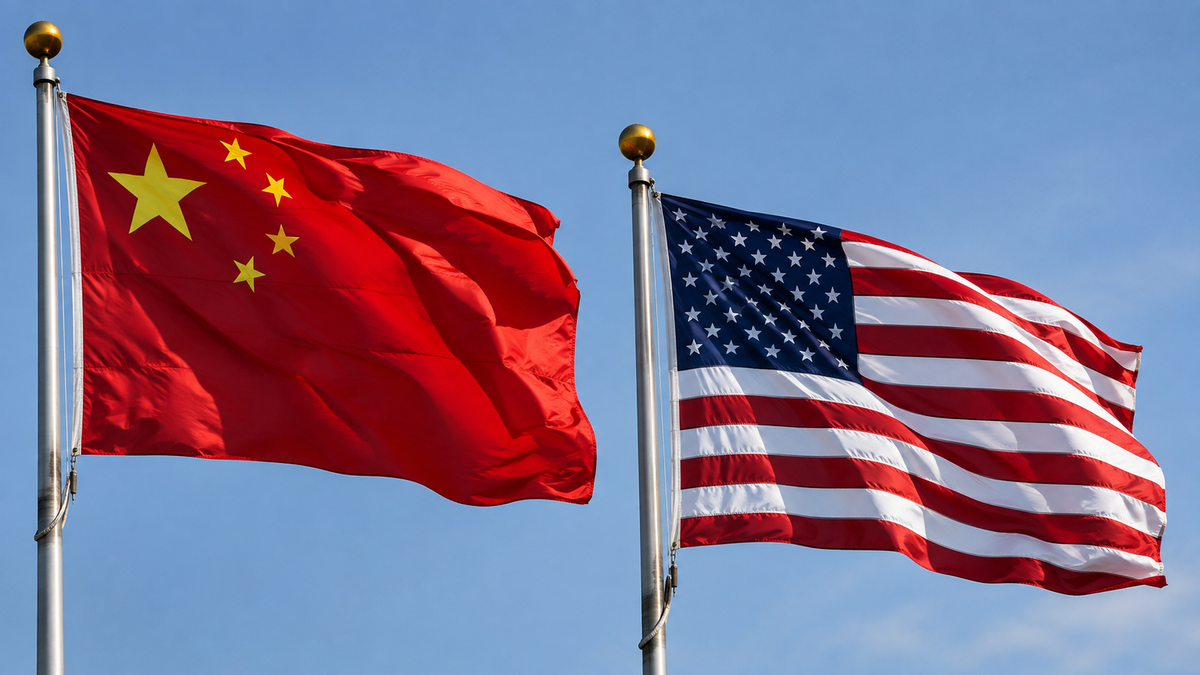
Trump-Xi Summit Extends the Trade Truce Without a Broader Breakthrough
The Trump-Xi summit in Washington delivered one clear economic outcome: the United States and China agreed to extend their trade truce by two months. Treasury Secretary Scott Bessent said the additional time would allow both sides to continue economic negotiations.
The agreement reduces the immediate risk of the trade truce expiring, but the summit did not produce a broader settlement of the issues separating the world's two largest economies. Agricultural purchases, rare-earth supplies, technology restrictions, artificial intelligence and Taiwan remain important areas of disagreement.
Key Points
- The United States and China extended their trade truce by two months, pushing the deadline to January 10 and allowing economic negotiations to continue.
- U.S. officials said China committed to additional agricultural purchases and rare-earth supplies, while more details about the summit agreements are expected from the White House.
- The summit produced no major breakthrough on broader disputes involving AI, technology restrictions and Taiwan, leaving significant U.S.-China tensions unresolved.
Trade Truce Buys More Time for U.S.-China Negotiations
The most concrete economic development from the summit was the extension of the existing trade truce.
The agreement had been scheduled to expire in November. Extending it for another two months maintains the framework that followed last year's trade war, when Washington and Beijing scaled back tariffs that had climbed above 100%.
That does not mean the broader trade dispute has been resolved. Both countries continue to impose substantial tariffs on each other's goods, while negotiations remain focused on agricultural purchases, rare-earth minerals and other economic issues.
U.S. Trade Representative Jamieson Greer said China committed to purchasing more American agricultural products and supplying rare earths needed by U.S. manufacturers. He also said the White House would release additional details on Monday about what the two countries agreed to during the summit.
Those commitments address two areas that have remained sources of friction. U.S. officials had previously said Beijing was behind on its pledge to purchase $17 billion in American agricultural goods and that rare-earth deliveries were falling short.
The extension therefore provides additional negotiating time without converting the temporary truce into a durable trade agreement.
Why Do Rare Earths and Agricultural Purchases Matter?
Agriculture and rare-earth supplies emerged as two of the most tangible economic issues surrounding the summit.
Rare earths are important inputs for manufacturing and high-technology products. China previously agreed to suspend export controls on these materials as part of the trade arrangement with the United States, but U.S. officials have said deliveries have fallen short.
Agriculture represents another major part of the relationship. Bessent said China was meeting an earlier requirement to purchase 25 million tons of soybeans but was lagging on its separate commitment to purchase $17 billion in other U.S. agricultural products.
Greer said the latest discussions resulted in commitments from China on both additional agricultural purchases and rare-earth supplies.
For markets, those commitments put companies connected to agriculture, manufacturing and strategic materials back in focus. Mosaic (MOS), Nutrien (NTR) and CF Industries (CF) were among the agricultural names identified in connection with increased Chinese purchases, while rare-earth exposure included MP Materials (MP) and related industry funds.
The details of those commitments, however, have not yet been fully released.
AI, Taiwan and Strategic Tensions Remain Unresolved
Beyond trade, the summit highlighted how much remains unsettled between Washington and Beijing.
Artificial intelligence was one of the major subjects surrounding the meeting, but the two leaders publicly presented different approaches.
Trump said before the summit that he wanted AI to remain largely where it is without new guardrails. Xi said the United States and China have a responsibility to develop and manage AI so that it remains under human control and serves people's well-being.
No major breakthrough emerged from the summit on AI or restrictions involving advanced technology.
Taiwan also remains a central point of tension. According to China's official account of the meeting, Xi urged the United States to handle the Taiwan issue with prudence and oppose Taiwanese independence. The White House had not immediately issued its own detailed account of that exchange.
Xi also invoked the "Thucydides Trap," the theory that rivalry between an established power and a rising power can lead toward conflict. He said that outcome can be avoided and called for greater military dialogue and crisis-prevention mechanisms.
The comments underscored the broader strategic rivalry that continues alongside the economic negotiations.
What It Means for Investors
The immediate market significance of the Trump-Xi summit is the continuation of the trade truce rather than the creation of a new U.S.-China economic framework.
Extending the agreement until January 10 prevents the existing arrangement from expiring in November and gives businesses additional time under the current trade environment. Before the summit, investors had been watching closely for signs that relations could deteriorate again, making preservation of the truce an important near-term development.
At the same time, the short duration of the extension means trade policy remains unsettled. Tariffs, agricultural purchases, rare-earth supplies and technology restrictions still require further negotiations.
The summit also showed that the economic relationship cannot be separated completely from broader disputes over AI, advanced technology and Taiwan.
That leaves markets with a mixed signal: near-term continuity in trade relations, but limited evidence that the structural disagreements between Washington and Beijing have materially narrowed.
Conclusion
The Trump-Xi summit delivered stability rather than a comprehensive reset of U.S.-China relations.
The two-month trade truce extension removes an immediate November deadline and keeps economic negotiations moving. Commitments involving agricultural purchases and rare-earth supplies could also address specific sources of friction once additional details are released.
But the larger disagreements remain. Trade restrictions, artificial intelligence, advanced technology and Taiwan continue to divide Washington and Beijing, while the January 10 deadline creates another point at which negotiations will have to produce either another extension or a different arrangement.
For markets, the summit's clearest message is that the U.S.-China trade confrontation remains contained for now — but not resolved.
FAQs
What did Trump and Xi agree to at the Washington summit?
The United States and China agreed to extend their existing trade truce by two months, pushing its expiration to January 10. U.S. officials also said China committed to additional agricultural purchases and rare-earth supplies.
When does the U.S.-China trade truce now expire?
The extended trade truce is scheduled to run until January 10, giving the United States and China additional time to continue economic negotiations.
Did Trump and Xi reach a broader trade agreement?
No broader trade settlement was announced. The summit extended the existing truce while major issues involving tariffs, agricultural purchases, rare-earth supplies and technology restrictions remained under negotiation.
Did Trump and Xi reach an agreement on artificial intelligence?
The summit produced no major breakthrough on artificial intelligence. Trump indicated he did not favor new AI guardrails, while Xi said AI development should remain under human control.
What happens next in U.S.-China trade negotiations?
The two countries have additional time to continue negotiations under the extended trade truce, while the White House is expected to release more details about the summit agreements.
This article was created with AI assistance and reviewed by an editor. For details, please refer to our Terms of Use.
Go Beyond the Market Brief with Market Edge
Follow SharperTrades’ complete approach to trading and investing, combining active trade opportunities through Block Orders, long-term research through Stock Investor, and structured market education through the Swing Trading Masterclass. Try Market Edge for $19 your first month →
Explore Research with Stock Investor
Stock Investor is SharperTrades’ platform for long-term investing research and portfolio management. Members receive research reports, portfolio updates, conviction tracking, and in-depth analysis designed to support disciplined investment decisions.
Explore Active Trading & Income Strategies
Block Orders tracks institutional activity and highlights active trade setups and price behavior across long and short opportunities.
For options-focused traders, Essential Option Income provides a structured approach to options income strategies, while Pro Option Trader offers a broader range of options strategies and trade opportunities.
Think More Clearly with SteadyCapital
SteadyCapital is SharperTrades’ decision-support system for long-term investors, built around the SteadyCapital Method™. Review investment ideas, challenge assumptions, evaluate valuation and risk, compare companies, and think through important buy, hold, add, trim, or sell decisions before you act.
Risk Disclosure
All content is provided for educational purposes only and does not constitute investment advice. Trading involves risk, and past performance is not indicative of future results. Please review our full Risk Disclosure for additional information.