Starbucks Store Closures Signal a More Focused Turnaround Strategy
Starbucks (SBUX) is closing about 250 North American stores as it sharpens its “Back to Starbucks” turnaround. The move carries roughly $300 million in restructuring charges while the company continues remodeling cafes and plans longer-term expansion.

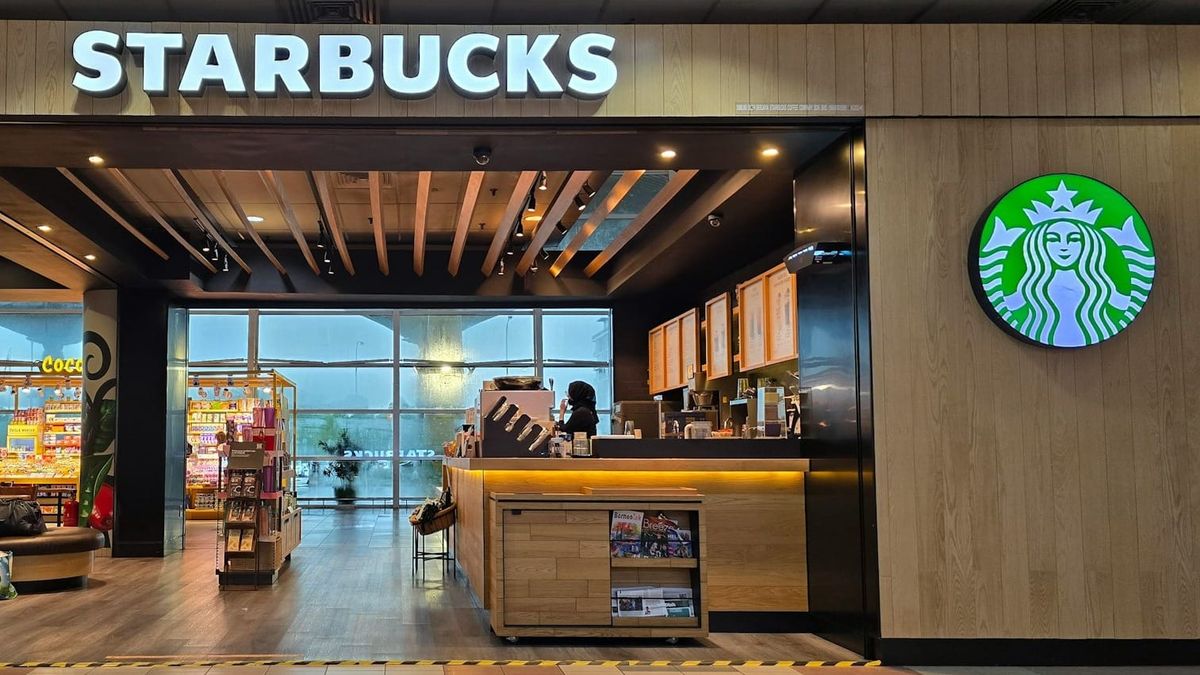
Starbucks Trims Underperforming Stores While Investing in Stronger Locations
Starbucks (SBUX) is closing about 250 cafes across the U.S. and Canada after reviewing which locations are meeting its financial and customer-experience goals.
The closures represent just over 1% of Starbucks’ more than 18,000 North American coffeehouses and are part of CEO Brian Niccol’s broader “Back to Starbucks” strategy. At the same time, the company is investing in staffing and redesigning existing cafes, showing that the plan is focused on reshaping the store portfolio rather than simply shrinking it.
Key Points
- Starbucks is closing about 250 North American cafes that are falling short of its customer-experience or financial expectations.
- The company expects approximately $300 million in restructuring charges but still plans to expand its North American footprint over the longer term.
- The closures are part of the “Back to Starbucks” turnaround, which also includes additional staffing and a broad redesign of existing coffeehouses.
Why Is Starbucks Closing 250 Stores?
Starbucks said its review of the North American portfolio identified locations where it does not believe it can consistently provide the experience it wants for customers and employees or achieve acceptable financial performance.
Most of the closures are expected to be completed by the end of fiscal 2026.
The company expects approximately $300 million in restructuring charges. About $200 million will be cash expenses primarily related to exiting leases and employee separation benefits, while the remaining $100 million will consist of non-cash charges tied to the disposal and impairment of store assets.
The closures also reduce Starbucks’ expected net new store openings for the current fiscal year to around 440, down from its previous expectation of 600 to 650.
Despite the announcement, Starbucks shares moved only modestly Thursday. The stock has also gained roughly 12% this year, even after declining sharply over the past month.
The Closures Are One Part of the “Back to Starbucks” Plan
The latest changes are part of CEO Brian Niccol’s multi-year effort to improve the Starbucks coffeehouse experience and strengthen the economics of its store network.
Starbucks has invested more than $500 million in additional staffing, scheduling and other employee initiatives. The company is also redesigning cafes to restore elements such as seating and a more inviting coffeehouse environment.
More than 1,000 locations have already been revamped, and Starbucks plans to complete at least 1,500 store “uplifts” by the end of fiscal 2026 before accelerating the program further in fiscal 2027.
The company has taken similar action before. In September 2025, Starbucks announced plans to reduce its North American store count by roughly 1% as part of a broader restructuring effort.
The latest closures therefore fit into a wider process of removing weaker locations while directing investment toward stores that Starbucks believes can better support its brand and financial goals.
Recent Sales Growth Provides an Important Backdrop
The closures come after improved operating results in Starbucks’ third quarter.
U.S. comparable-store sales increased 7.9%, exceeding the 5.7% growth expected by Wall Street and accelerating from 6.2% in the previous quarter. A year earlier, overall third-quarter comparable-store sales had declined 2%.
North American comparable-store sales increased 8.1%, supported by higher customer transactions and a larger average ticket.
That improvement provides important context for the closures. Starbucks is reducing weaker locations while simultaneously investing in the broader store base and continuing its longer-term expansion plans.
William Blair analyst Sharon Zackfia said the closures could be “modestly beneficial” to comparable-store sales growth and maintained an Outperform rating on Starbucks shares.
The company still faces challenges as it executes the turnaround. Starbucks Workers United, representing more than 12,000 baristas, launched a boycott in August, while contract negotiations remain ongoing.
What It Means for Investors
The latest announcement is less about the number of Starbucks stores than about the quality and performance of the company’s North American portfolio.
Starbucks is removing locations that management says cannot meet its financial or customer-experience standards while spending heavily on staffing and redesigning stores it intends to keep.
Importantly, the company is not abandoning expansion. Management said Starbucks still plans to grow its North American footprint over the longer term.
Recent comparable-store sales growth also provides a measurable sign of progress as the turnaround continues. The next stage will show whether improvements in customer traffic and store performance can continue alongside the restructuring and remodeling program.
Conclusion
Starbucks’ latest round of closures represents another step in Brian Niccol’s “Back to Starbucks” strategy rather than a broad retreat from the North American market.
About 250 underperforming cafes are being removed, but hundreds of other locations are being remodeled and the company continues to plan for longer-term expansion.
With comparable-store sales recently improving, Starbucks is now balancing two parts of its turnaround: eliminating stores that do not meet its standards while investing more heavily in the locations and customer experience it wants to build around.
FAQs
Why is Starbucks closing 250 stores?
Starbucks said the locations either cannot consistently deliver the customer and employee experience it wants or do not have a path to acceptable financial performance.
How much will the Starbucks store closures cost?
Starbucks expects approximately $300 million in restructuring charges, including about $200 million in cash costs primarily related to lease exits and employee separation benefits.
Is Starbucks shrinking its North American business?
Starbucks is closing about 1% of its North American coffeehouses, but management said the company still plans to expand its North American footprint over the longer term.
How does the closure plan fit into Starbucks’ turnaround?
The closures are part of the “Back to Starbucks” strategy, which also includes increased staffing, store redesigns and efforts to improve the customer experience and financial performance of its coffeehouses.
Are Starbucks sales improving?
U.S. comparable-store sales increased 7.9% in the third quarter, exceeding Wall Street expectations of 5.7% growth and improving from 6.2% growth in the previous quarter.
This article was created with AI assistance and reviewed by an editor. For details, please refer to our Terms of Use.
Go Beyond the Market Brief with Market Edge
Follow SharperTrades’ complete approach to trading and investing, combining active trade opportunities through Block Orders, long-term research through Stock Investor, and structured market education through the Swing Trading Masterclass. Try Market Edge for $19 your first month →
Explore Research with Stock Investor
Stock Investor is SharperTrades’ platform for long-term investing research and portfolio management. Members receive research reports, portfolio updates, conviction tracking, and in-depth analysis designed to support disciplined investment decisions.
Explore Active Trading & Income Strategies
Block Orders tracks institutional activity and highlights active trade setups and price behavior across long and short opportunities.
For options-focused traders, Essential Option Income provides a structured approach to options income strategies, while Pro Option Trader offers a broader range of options strategies and trade opportunities.
Think More Clearly with SteadyCapital
SteadyCapital is SharperTrades’ decision-support system for long-term investors, built around the SteadyCapital Method™. Review investment ideas, challenge assumptions, evaluate valuation and risk, compare companies, and think through important buy, hold, add, trim, or sell decisions before you act.
Risk Disclosure
All content is provided for educational purposes only and does not constitute investment advice. Trading involves risk, and past performance is not indicative of future results. Please review our full Risk Disclosure for additional information.