Lockheed Martin’s Missile Demand and Record Backlog Drive Stronger Earnings Outlook
Lockheed Martin raises its 2026 outlook as stronger missile production boosts earnings and its backlog reaches a record $292 billion. A proposed 10-year F-35 agreement adds long-term visibility, although final approvals remain pending.

Strong Missile Demand Lifts Lockheed Martin’s Outlook
Lockheed Martin (LMT) shares surged as much as 9% on Thursday, October 22, after the defense contractor reported stronger-than-expected earnings and raised its full-year outlook. Growing demand for missile defense systems helped drive the results, while a record backlog of $292 billion pointed to substantial work ahead.
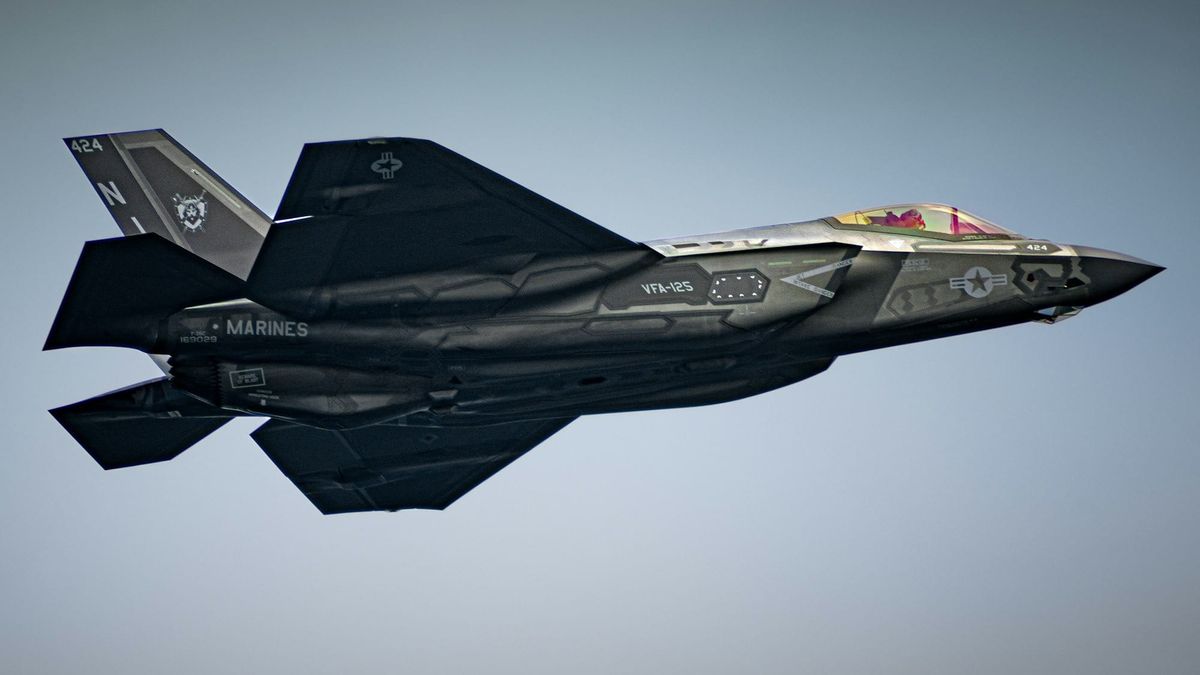
The company also announced a proposed 10-year agreement with the Pentagon covering future F-35 fighter jet production. Together, the developments gave investors a clearer picture of Lockheed Martin's business prospects, even as the broader market declined.
Key Points
- Missile production drives growth: Higher output of missile defense systems helped Lockheed Martin beat earnings expectations and raise its outlook.
- Record backlog strengthens visibility: Orders reached $292 billion, supported by major missile contracts and sustained defense demand.
- F-35 agreement adds long-term stability: A proposed 10-year framework covers 850 aircraft, although final contracts and funding are still required.
Strong Missile Production Drives Lockheed Martin's Earnings
Lockheed Martin reported third-quarter revenue of $20.71 billion, up approximately 11% from a year earlier and ahead of Wall Street expectations.
Earnings reached $7.97 per share, exceeding analysts' estimates of $7.52. The company also generated $3 billion in free cash flow.
All four business divisions reported higher revenue, but the strongest performance came from Missiles and Fire Control.
Sales in that division increased 24%, supported by growing production of PAC-3 missile interceptors, Terminal High Altitude Area Defense (THAAD) systems, and other precision weapons.
Several manufacturing programs progressed ahead of schedule, helping the company meet rising demand for missile defense equipment.
The aircraft business also contributed to growth. Aeronautics revenue increased 13%, supported by higher F-35 production and maintenance activity, although costs associated with other aircraft programs weighed on profitability.
Stronger Results Lead to Higher Guidance
Following the earnings report, Lockheed Martin raised its 2026 financial outlook for the second consecutive quarter.
The company now expects annual revenue of $80 billion to $82 billion, with earnings between $30.35 and $30.75 per share.
Management also increased its free cash flow forecast, reflecting stronger customer payments and improvements in working capital.
The higher guidance suggests that expanding defense production is translating into stronger financial performance, rather than simply increasing the company's order book.
Why Did Lockheed Martin Stock Rally?
Lockheed Martin's strong earnings arrived after a challenging period for defense stocks.
Despite expectations for higher military spending, the company's shares had declined approximately 16% since the beginning of the Iran war in late February.
Investors had been concerned about inflation, rising interest rates, potential changes to defense contracts, and political uncertainty ahead of the U.S. midterm elections.
Thursday's earnings report helped shift attention back toward the company's underlying business performance.
A Record $292 Billion Backlog
One of the biggest developments was the increase in Lockheed Martin's backlog to a record $292 billion, up from $230 billion at the end of the previous quarter.
The increase included a major multiyear award for PAC-3 missile interceptors.
A backlog represents work that customers have ordered but that the company has not yet completed and recognized as revenue.
For a defense contractor, where major programs can take years to deliver, a growing backlog provides greater visibility into future production and potential revenue.
It does not guarantee immediate earnings, but it gives Lockheed Martin a substantial pipeline of contracted work.
A 10-Year F-35 Agreement Adds Visibility
Lockheed Martin also announced a proposed 10-year framework with the Pentagon covering 850 U.S. F-35 fighter jets.
The arrangement is intended to support stable aircraft production, improve supply-chain planning, and provide greater certainty for suppliers.
It also covers maintenance, spare parts, and related support services.
Under the framework, Lockheed Martin has committed approximately $7 billion toward investments supporting the program.
However, the agreement is not yet a finalized contract. Congressional funding and additional contractual approvals are still required.
Even with those conditions, the announcement addresses some of the uncertainty surrounding the F-35 program, one of Lockheed Martin's most important sources of revenue.
What Comes Next for Lockheed Martin?
With missile production expanding and the backlog at a record level, Lockheed Martin's next challenge is delivering on its commitments while maintaining profitability.
Management sees a path toward high-single-digit revenue growth in 2027, supported by contributions from all four business divisions.
Missile manufacturing will remain an important part of that outlook. Continued production increases across PAC-3, THAAD, and other systems are expected to support revenue as the company works through its order book.
The F-35 program presents a different challenge.
Although the proposed long-term agreement provides a clearer production framework, individual contracts and funding commitments must still be completed.
Lockheed Martin is also awaiting developments involving the F-35 Lot 20 production award, which could be finalized before year-end.
These decisions matter because large defense programs require significant manufacturing investments and depend on predictable government funding.
Beyond individual contracts, defense budgets, potential procurement reforms, and changing government priorities remain important sources of uncertainty.
What It Means for Investors
Lockheed Martin's latest results show how growing defense demand can translate into stronger earnings, cash flow, and a substantial pipeline of future work.
The record backlog is particularly important because it provides visibility into customer commitments extending beyond the current year. However, fulfilling those orders will require continued manufacturing efficiency and effective cost management.
The F-35 framework also highlights a distinction investors need to understand: a long-term production agreement can improve business planning without immediately becoming fully funded revenue.
For LMT stock, the earnings report strengthened the company's financial outlook, but future performance will still depend on contract execution, government funding, and the ability to maintain profitability as production expands.
Conclusion
Lockheed Martin's latest earnings reflect strong demand for missile defense systems and continued growth across its defense businesses. Higher production, improved cash flow expectations, and a record backlog have strengthened the company's outlook despite broader market uncertainty. The proposed F-35 agreement adds another layer of long-term visibility, although important approvals remain outstanding. The next challenge will be turning those commitments into sustained revenue and earnings while managing the costs and complexity of expanding production.
FAQs
Why did Lockheed Martin stock rise after its third-quarter earnings?
Lockheed Martin shares rallied after the company exceeded earnings and revenue expectations, raised its 2026 financial outlook, and reported a record order backlog. A proposed 10-year F-35 agreement also supported investor sentiment.
How much did Lockheed Martin earn in the third quarter of 2026?
Lockheed Martin reported revenue of $20.71 billion, earnings of $7.97 per share, and net income of $1.8 billion. Free cash flow reached $3 billion.
Why is Lockheed Martin's $292 billion backlog important?
The record backlog represents contracted work that has not yet been recognized as revenue. It provides greater visibility into future production and potential revenue, particularly across major missile and aircraft programs.
What does the new F-35 agreement include?
The proposed 10-year framework covers 850 U.S. F-35 aircraft, spare parts, modification kits, maintenance support, and international customer orders. It aims to stabilize production but still requires congressional funding and final contractual approvals.
What are the main risks facing Lockheed Martin?
Important risks include delays in contract authorization and government funding, production execution challenges, changes in defense spending priorities, and profitability pressure associated with major aircraft programs.
This article was created with AI assistance and reviewed by an editor. For details, please refer to our Terms of Use.
Go Beyond the Market Brief with Market Edge
Follow SharperTrades’ complete approach to trading and investing, combining active trade opportunities through Block Orders, long-term research through Stock Investor, and structured market education through the Swing Trading Masterclass. Try Market Edge for $19 your first month →
Explore Research with Stock Investor
Stock Investor is SharperTrades’ platform for long-term investing research and portfolio management. Members receive research reports, portfolio updates, conviction tracking, and in-depth analysis designed to support disciplined investment decisions.
Explore Active Trading & Income Strategies
Block Orders tracks institutional activity and highlights active trade setups and price behavior across long and short opportunities.
For options-focused traders, Essential Option Income provides a structured approach to options income strategies, while Pro Option Trader offers a broader range of options strategies and trade opportunities.
Think More Clearly with SteadyCapital
SteadyCapital is SharperTrades’ decision-support system for long-term investors, built around the SteadyCapital Method™. Review investment ideas, challenge assumptions, evaluate valuation and risk, compare companies, and think through important buy, hold, add, trim, or sell decisions before you act.
Risk Disclosure
All content is provided for educational purposes only and does not constitute investment advice. Trading involves risk, and past performance is not indicative of future results. Please review our full Risk Disclosure for additional information.