Valentino Death Puts Spotlight on Luxury Fashion Houses
The death of legendary designer Valentino Garavani at 93 is drawing attention across the global fashion industry, highlighting leadership transitions, brand ownership structures, and how legacy events shape market context for luxury companies.

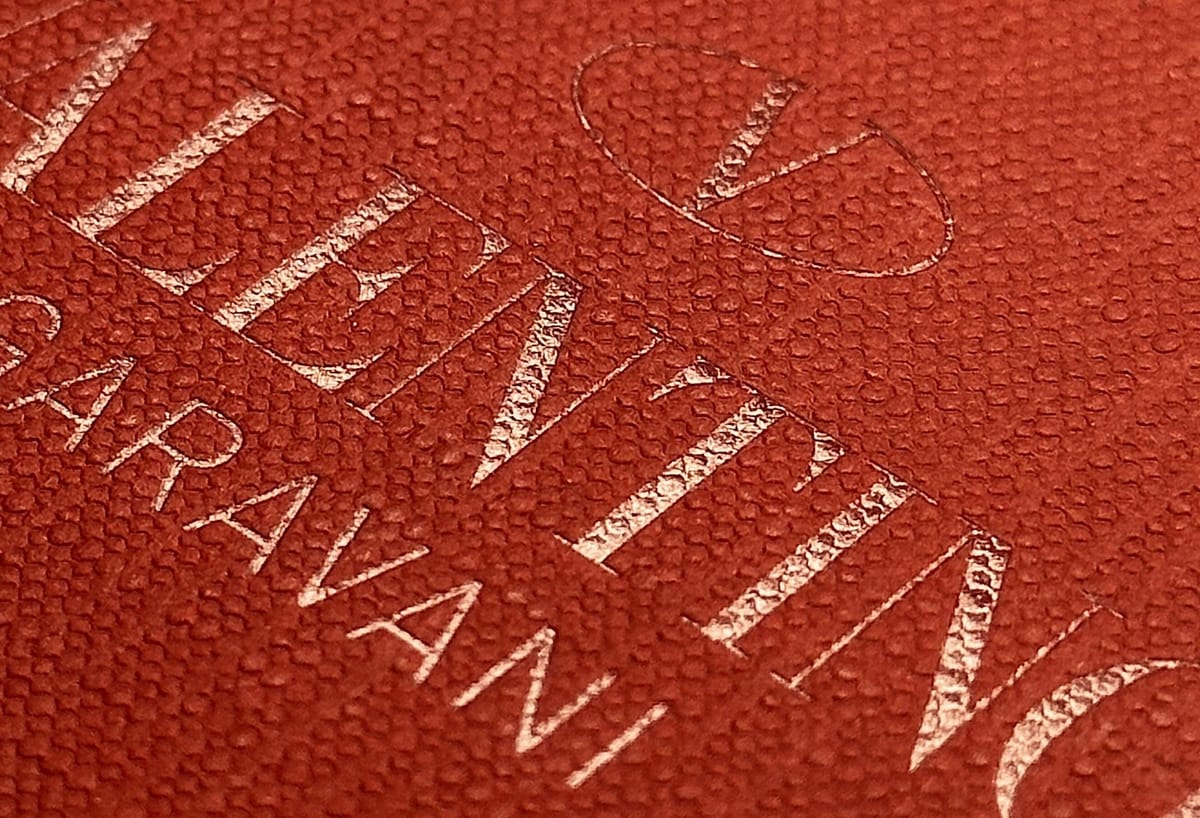
A major moment for global fashion is creating new market context for luxury investors.
Valentino Garavani, the Italian designer behind one of fashion’s most influential couture houses, has died at age 93. His passing is prompting reflection across the luxury sector, including companies with ownership ties to the Valentino brand.
Key Points
- Valentino Garavani died at age 93 in Rome, marking the end of a defining era in couture fashion.
- The Valentino brand is majority-owned by Qatar’s Mayhoola, with French luxury group Kering holding a minority stake.
- Leadership stability and ownership structure are now part of the market context following the designer’s death.
How the Fashion Industry Is Responding
Valentino’s death is being treated as a landmark event within global fashion. Tributes from designers, institutions, and industry leaders emphasize his role in shaping red-carpet fashion and luxury branding for decades.
The brand he founded continues to operate independently of his direct involvement, as Valentino retired from design in 2008. Since then, creative leadership and management have evolved without his day-to-day presence.
From a market perspective, the response has centered on legacy rather than operational disruption.
Why Does Valentino’s Ownership Structure Matter?
The Valentino fashion house is owned 70% by Mayhoola, a Qatar-based investment group, with Kering (KER) holding the remaining 30%. Kering also holds an option to take full control of the brand in 2028 or 2029.
This ownership structure means that Valentino’s passing does not alter control, governance, or near-term business operations. However, it brings renewed attention to how luxury conglomerates manage heritage brands founded by iconic designers.
For investors, this highlights how brand value in luxury fashion often extends beyond its founder.
What Does This Event Signal for the Luxury Sector?
Valentino’s death underscores a broader theme in luxury markets: the transition from founder-led identity to institution-led brand stewardship.
Many global fashion houses now operate within conglomerates, where creative direction, management, and ownership are structured to persist across generations. The market reaction to events like this tends to focus on continuity rather than disruption.
This reinforces why legacy, brand equity, and long-term positioning remain central to how markets interpret company news moving markets in the luxury sector.
What It Means for Investors
For investors following luxury stocks, the event provides market context rather than a direct catalyst. Valentino had not been involved in the brand’s operations for nearly two decades, reducing the risk of operational impact.
The situation highlights how markets differentiate between symbolic events and fundamentals. While sentiment may briefly shift around legacy news, ownership clarity and leadership stability tend to anchor price action analysis.
In broader terms, this illustrates how markets react to events tied to brand identity, offering insight into how traders read market news in sectors driven by perception and heritage.
Conclusion
Valentino Garavani’s death marks the close of a historic chapter in fashion, while leaving the business structure of the Valentino brand unchanged. For markets, the moment serves as context — a reminder of how legacy designers shape brands that continue long after their founders step away.
FAQs
Did Valentino Garavani still run the fashion house at his death?
Yes, Valentino Garavani had retired from the fashion house in 2008 and was no longer involved in operations.
Is the Valentino brand publicly traded?
No, Valentino itself is not publicly traded, though Kering (KER) holds a minority stake.
Does Valentino’s death affect Kering’s ownership stake?
No, the ownership structure remains unchanged following his death.
Why does the market pay attention to designer deaths?
Because iconic designers are closely tied to brand identity, their passing can influence market sentiment analysis even without operational changes.
Is this considered a market-moving event?
No, this is primarily a contextual event rather than a direct driver of price action.