United Airlines Faces Fuel-Cost Pressure as CEO Revives Industry Consolidation Debate
United Airlines CEO Scott Kirby warns that sustained high fuel prices could force difficult decisions across the airline industry. Despite rising costs and weaker profit expectations, United is pursuing premium services, AI-powered travel tools, and faster in-flight connectivity.

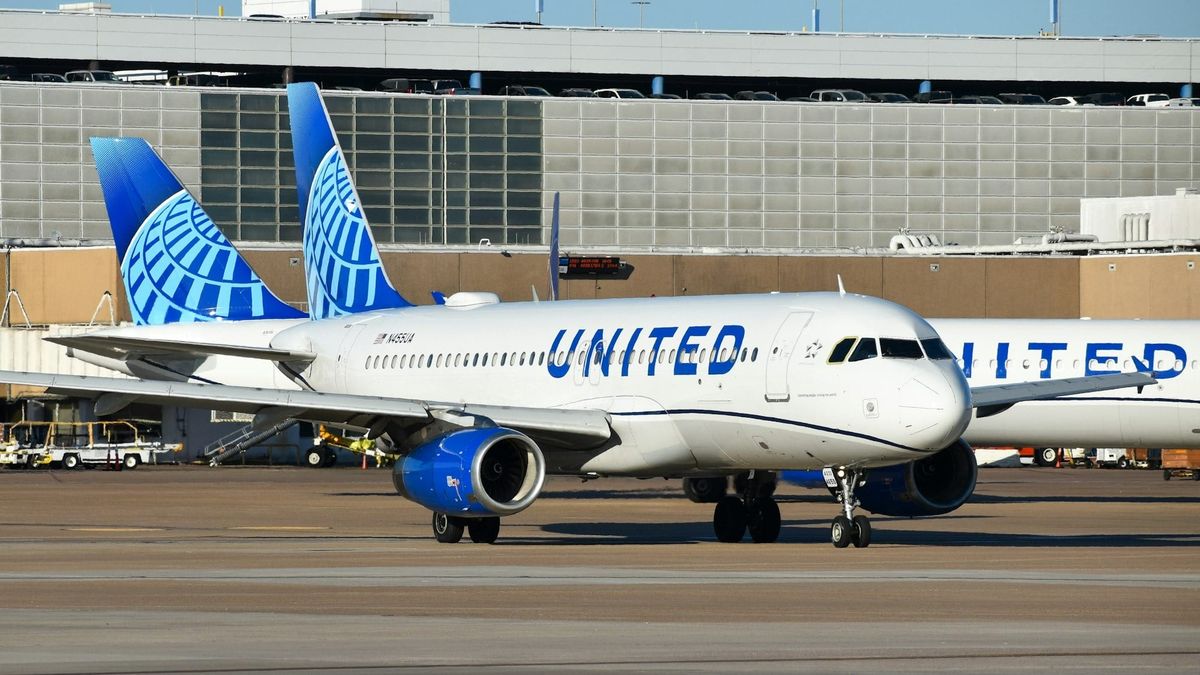
United Airlines Balances Rising Fuel Costs With a Push for Industry Change
United Airlines (UAL) is confronting a difficult operating environment as elevated jet fuel prices squeeze airline profitability, even as passenger demand and premium travel revenue remain resilient. Speaking at Yahoo Finance Invest on November 12, CEO Scott Kirby warned that prolonged fuel inflation could force struggling airlines to reconsider their operations. He also renewed his support for industry consolidation, including a potential combination with American Airlines (AAL), while outlining technology investments intended to strengthen United's competitive position.
Key Points
- Fuel costs pressure earnings: United reported sharply higher third-quarter fuel expenses and issued fourth-quarter profit guidance below analyst expectations, despite strong revenue growth.
- Consolidation remains a priority: Kirby continues to support a potential merger with American Airlines, although American rejected an earlier approach and significant regulatory obstacles remain.
- Technology supports differentiation: United is expanding Starlink connectivity, developing AI-powered travel alerts, and introducing gate-side food delivery to improve the passenger experience.
Rising Fuel Costs Challenge United's Profitability Despite Strong Demand
United's latest results illustrate the tension between resilient passenger demand and rising operating expenses. Third-quarter revenue increased 17.4% from the previous year to approximately $17.9 billion, supported by strong premium cabin demand and record international passenger yields. Passenger traffic also increased, while both domestic and international passenger unit revenue recorded substantial gains.
However, the improvement in sales was accompanied by a sharp increase in fuel expenses. United reported third-quarter aircraft fuel costs of approximately $4.8 billion, compared with $3 billion a year earlier. The increase weighed on profitability and contributed to fourth-quarter earnings guidance that fell below Wall Street expectations. United projected earnings per share between $0.50 and $1.50, compared with an analyst estimate of $1.76 at the time.
The pressure extends across the airline industry. According to the U.S. Department of Transportation's Bureau of Transportation Statistics, total fuel expenditures for U.S. carriers exceeded $18 billion during the third quarter. Delta Air Lines (DAL) also reported a substantial increase in its quarterly fuel bill and reduced its full-year profit outlook. The rising costs reflect higher crude oil prices associated with the U.S.-Israeli war with Iran, which have pushed jet fuel expenses sharply higher.
Kirby warned that airlines relying on an eventual decline in fuel prices could face increasingly difficult financial conditions. He estimated that six of the ten U.S. airlines could lose money this year, describing prolonged fuel inflation as a potential catalyst for broader industry restructuring. The market reaction reflected the difficult operating environment: United shares were down approximately 6% in the supplied November 12 market snapshot, while American Airlines declined more than 5%. The information does not establish how much of either stock's decline was attributable specifically to Kirby's comments rather than broader airline-sector pressures.
For United, the central challenge is maintaining profitability when stronger revenue does not fully offset higher operating costs.
Could Higher Fuel Prices Accelerate Airline Consolidation?
Kirby believes sustained cost pressure could increase the need for consolidation among U.S. airlines. At Yahoo Finance Invest, he reiterated his interest in a potential merger with American Airlines, arguing that a larger combined network could improve service, reliability, and international competitiveness.
The comments revived discussion of a proposal that American rejected earlier this year. In April, Kirby approached American about a potential combination intended to create a larger global airline. The proposal quickly encountered antitrust concerns in Washington, and American CEO Robert Isom subsequently rejected the overture publicly, stating that the airline was neither engaged in nor interested in merger discussions. Kirby said he learned of the rejection through American's press release. Despite that setback, he continues to believe a transaction could receive regulatory approval, although he acknowledged that divestitures would likely be necessary. Divestitures involve selling or relinquishing certain business assets or operations to address competition concerns. Kirby identified the absence of a willing merger partner as the primary obstacle.
His position reflects a broader debate about whether the airline industry can sustain its existing structure under prolonged cost pressure. JPMorgan analyst Mark Streeter argued that consolidation can encourage more disciplined capital spending, eliminate overlapping expenses, and improve the efficiency of airline hub networks. Hub rationalization involves reorganizing or reducing operations at airports where an airline maintains connecting-flight networks, particularly when routes or facilities are unprofitable. Streeter also emphasized the importance of national scale in airline loyalty programs and associated credit card economics. However, he cautioned that consolidation is not a guaranteed solution and that no transaction may ultimately occur.
American's financial performance has contributed to the discussion. According to Streeter, American accounted for less than 4% of the combined profits of the three major U.S. network airlines in 2025, despite having previously targeted a substantially larger contribution for 2026. He also pointed to operational challenges, labor dissatisfaction, and the effects of earlier aircraft retirements on American's international capacity.
Any potential combination with United would face significant obstacles, including antitrust review and labor concerns. There is no indication that American has reconsidered its rejection or that formal merger discussions have resumed. For United, consolidation remains a strategic possibility rather than an announced transaction.
United Expands Starlink and AI Services to Differentiate Its Business
Alongside its emphasis on cost discipline and industry consolidation, United is investing in passenger technology and premium services. Kirby highlighted high-speed in-flight internet as a particularly important competitive advantage. The airline has been deploying Starlink connectivity from SpaceX (SPCX), with nearly 600 aircraft equipped according to Jefferies analyst Sheila Kahyaoglu. United expects approximately half of its mainline fleet to have Starlink by year-end, with broader deployment planned throughout 2027. Kirby said the service is already encouraging some customers to choose United, although the supplied reporting does not quantify the associated revenue contribution.
He also described artificial intelligence initiatives intended to make travel more convenient. One planned feature would provide passengers with individualized flight-delay probabilities based on expected weather conditions. Rather than issuing a general weather warning, the system could compare the likelihood of delays across available flights and allow travelers to switch with a single action. Kirby said he hopes to introduce a limited beta version before Christmas. United has also begun offering gate-side food delivery for selected connecting passengers in Newark and Houston. The service allows travelers with tight connections to order food through an aircraft seatback screen or mobile application for delivery near their arrival gate.
The competitive environment is evolving as other airlines pursue their own connectivity strategies. Delta has selected Amazon (AMZN) Leo for a planned satellite internet rollout beginning in 2028. Kirby expressed confidence in United's Starlink deployment, although he acknowledged that competing airlines would eventually offer comparable connectivity products. The distinction matters because United is seeking to strengthen customer preference through service quality, convenience, and technology rather than relying exclusively on network size or ticket pricing. The initiatives also complement its investment in premium aircraft interiors, which are intended to support revenue growth from higher-value travel segments.
What It Means for Investors
Strong passenger demand and premium travel revenue have supported United's sales growth, but higher fuel costs have limited the financial benefits. The lower-than-expected fourth-quarter earnings guidance demonstrates that revenue resilience does not necessarily translate into stronger profits when operating expenses rise rapidly. For investors following UAL stock, fuel prices remain an important factor in assessing the airline's near-term financial performance. Melius Research analyst Conor Cunningham suggested that expectations for United's 2027 earnings may need to be reconsidered if fuel costs remain elevated.
Other developments bear on the company's outlook: its ability to manage operating expenses, maintain premium revenue growth, expand its technology offerings, and navigate any future industry restructuring. Kirby's renewed interest in American Airlines does not constitute an active merger agreement. Together, these factors provide context for understanding United's performance beyond daily movements in its share price.
Conclusion
United is navigating a period in which strong passenger demand is being offset by elevated fuel expenses. Kirby's latest comments underscore the pressure facing the broader industry and his belief that sustained costs could force difficult operational decisions. His continued interest in consolidation reflects one possible response, but significant regulatory and commercial obstacles remain, and no transaction has been announced. Meanwhile, United is pursuing a separate strategy centered on premium services, Starlink connectivity, and AI-powered passenger tools. Its ability to balance cost discipline with service differentiation will remain central to its financial performance in an uncertain fuel-price environment.
FAQs
Why did United Airlines stock decline on November 12, 2026?
United Airlines shares were down approximately 6% in the supplied market snapshot amid concerns about elevated fuel expenses and airline profitability. United had also issued fourth-quarter earnings guidance below analyst expectations. The available reporting does not isolate a single cause for the stock's decline.
Is United Airlines planning to merge with American Airlines?
United CEO Scott Kirby remains interested in a potential combination with American Airlines, but American rejected an earlier proposal in April. No merger agreement or renewed formal negotiations have been announced.
How are higher fuel prices affecting United Airlines?
United reported approximately $4.8 billion in third-quarter aircraft fuel expenses, up from $3 billion a year earlier. The increase pressured profitability despite strong revenue growth and contributed to fourth-quarter earnings guidance below analyst expectations.
What technology improvements is United Airlines introducing?
United is expanding Starlink in-flight internet, developing AI-powered flight-delay alerts, and testing gate-side food delivery for selected connecting passengers. The initiatives are intended to improve convenience and differentiate its passenger experience.
When will Starlink be available across United Airlines flights?
United expects approximately half of its mainline fleet to have Starlink by the end of 2026, with further deployment during 2027. CEO Scott Kirby said the airline expects full fleet coverage by the end of 2027
This article was created with AI assistance and reviewed by an editor. For details, please refer to our Terms of Use.
Go Beyond the Market Brief with Market Edge
Follow SharperTrades’ complete approach to trading and investing, combining active trade opportunities through Block Orders, long-term research through Stock Investor, and structured market education through the Swing Trading Masterclass. Try Market Edge for $19 your first month →
Explore Research with Stock Investor
Stock Investor is SharperTrades’ platform for long-term investing research and portfolio management. Members receive research reports, portfolio updates, conviction tracking, and in-depth analysis designed to support disciplined investment decisions.
Explore Active Trading & Income Strategies
Block Orders tracks institutional activity and highlights active trade setups and price behavior across long and short opportunities.
For options-focused traders, Essential Option Income provides a structured approach to options income strategies, while Pro Option Trader offers a broader range of options strategies and trade opportunities.
Think More Clearly with SteadyCapital
SteadyCapital is SharperTrades’ decision-support system for long-term investors, built around the SteadyCapital Method™. Review investment ideas, challenge assumptions, evaluate valuation and risk, compare companies, and think through important buy, hold, add, trim, or sell decisions before you act.
Risk Disclosure
All content is provided for educational purposes only and does not constitute investment advice. Trading involves risk, and past performance is not indicative of future results. Please review our full Risk Disclosure for additional information.