Trump Price-Gouging Probe Weighs on Oil Majors as Gas Price Lag Draws Scrutiny
Chevron (CVX), Exxon Mobil (XOM), Shell, and BP came under scrutiny after President Trump accused major oil companies of failing to pass lower crude prices through to gasoline consumers quickly enough.

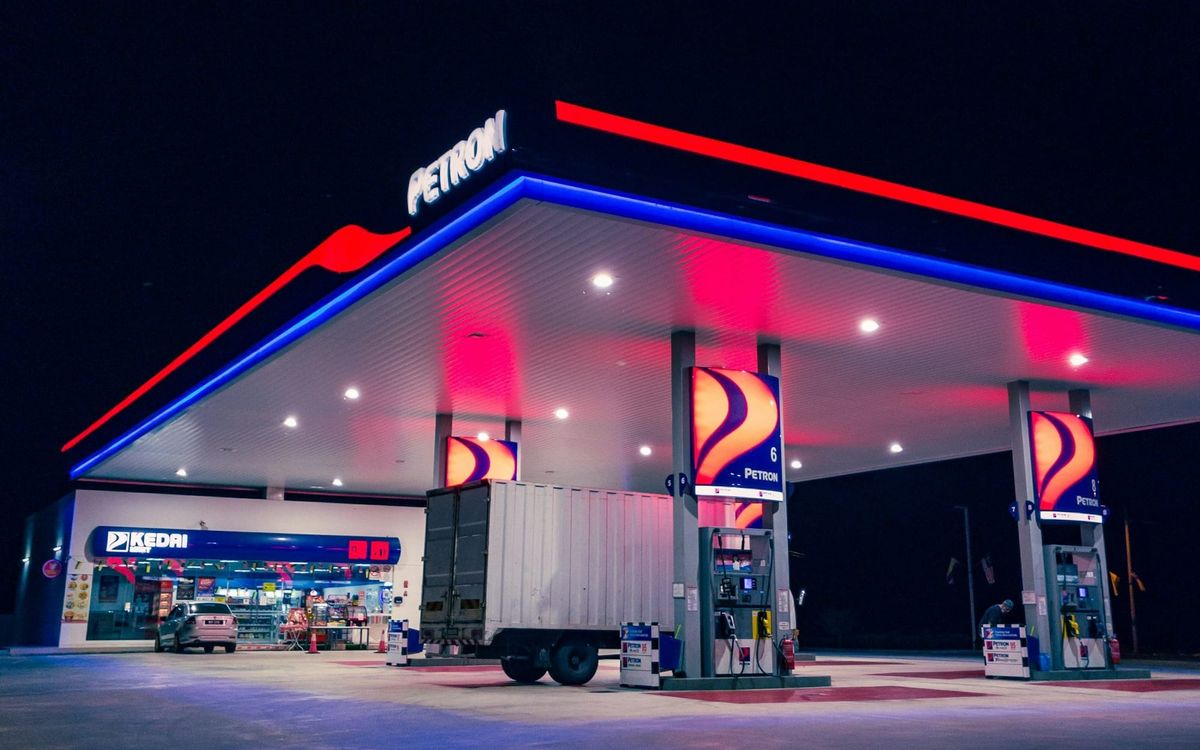
Oil Majors Face Political Pressure as Pump Prices Stay Elevated
Chevron (CVX) and other major oil companies moved into the spotlight after President Donald Trump accused the industry of keeping gasoline prices elevated even as crude oil prices declined.
The comments followed a drop in Brent crude and West Texas Intermediate prices after an interim U.S.-Iran agreement eased pressure in oil markets. Still, gasoline prices remained higher than a year earlier, putting energy companies and pump prices back at the center of market news today.
Key Points
- President Trump accused major oil companies of not lowering gasoline prices quickly enough as crude oil prices declined.
- Chevron CFO Eimear Bonner said lower oil prices take time to appear at the pump because of normal pricing lags.
- Brent crude traded near $72.75 a barrel, while the national gasoline average remained around $3.92 per gallon.
What Happened?
President Trump said the Department of Justice should investigate whether major oil companies are failing to lower gasoline prices in line with falling crude oil costs.
He singled out Chevron, Exxon Mobil (XOM), Shell (SHEL), and BP (BP), arguing that gasoline prices should be lower at the pump. Trump said his target was $2.25 per gallon.
The comments came after oil prices declined following an interim peace agreement between the U.S. and Iran. Brent crude traded around $72.75 a barrel, while West Texas Intermediate traded near $69.60.
Despite the decline in crude oil, the national average gasoline price was about $3.92 per gallon, down from $4.52 a month earlier but still above $3.22 from the same period last year.
Why Are Oil Companies Pushing Back?
Chevron CFO Eimear Bonner said gasoline prices are expected to fall as conditions normalize, but she emphasized that lower crude prices do not immediately translate into lower prices at the pump.
Bonner said there is a lag between lower oil prices and what consumers see at gas stations. She also said Chevron is growing production by 7% to 10% this year and that major producers are doing what they can to support supply.
The American Petroleum Institute made a similar argument, saying gasoline prices do not move in lockstep with crude oil, particularly during major global disruptions that affect supply chains, refining, and inventories.
What Matters Next for Energy Stocks?
The key issue for energy stocks is whether political scrutiny turns into a formal investigation or regulatory action.
For now, the market signal is tied to the gap between falling crude oil prices and still-elevated gasoline prices. If pump prices continue to decline, pressure on oil majors may ease. If gasoline remains high, the sector could face additional political attention.
Investors are also watching how quickly crude inventories normalize after the Middle East disruption and whether global supply increases faster than demand.
What It Means for Investors
The latest developments show how energy stocks can be affected not only by crude oil prices, but also by political pressure, consumer fuel costs, and public scrutiny.
For Chevron, Exxon Mobil, Shell, and BP, the immediate issue is whether falling crude prices translate into lower gasoline prices quickly enough to reduce pressure from Washington.
The broader stock market update is that energy companies remain exposed to both commodity price swings and policy risk when fuel costs become a political concern.
Conclusion
Oil majors are facing renewed scrutiny after President Trump accused the industry of price gouging as gasoline prices remained elevated despite falling crude costs.
Chevron pushed back by pointing to normal pricing lags, while the industry emphasized that refining, inventories, and supply-chain disruptions all affect pump prices. The next market focus will be whether gasoline prices continue to decline and whether the Justice Department inquiry develops into a broader challenge for the sector.
FAQs
Why did Trump accuse oil companies of price gouging?
Trump accused oil companies of price gouging because he said gasoline prices were not falling quickly enough compared with the decline in crude oil prices.
Which oil companies did Trump name?
Trump named Chevron, Exxon Mobil, Shell, and BP when discussing gasoline prices and the potential Justice Department investigation.
What did Chevron say about gasoline prices?
Chevron CFO Eimear Bonner said gasoline prices should come down as conditions normalize, but lower crude prices take time to appear at the pump.
Why do gasoline prices lag crude oil prices?
Gasoline prices can lag crude oil prices because refining costs, supply-chain timing, inventories, and local market conditions affect the final price drivers pay.
What is the main issue for oil stocks?
The main issue is whether falling crude prices reduce gasoline prices quickly enough to ease political pressure on major oil companies.
This article was created with AI assistance and reviewed by an editor. For details, please refer to our Terms of Use.
Explore Research with Stock Investor
For readers evaluating long-term market opportunities, Stock Investor is SharperTrades’ investing platform built around portfolio management, market research, and AI-assisted analysis. Members receive research reports, portfolio updates, conviction tracking, and educational insights designed to support disciplined investing decisions.
Follow the Market with SharperTrades
SharperTrades offers additional ways to stay connected to the market. Block Orders tracks institutional activity and highlights active trade setups and price behavior across long and short opportunities. For options-focused traders, Essential Option Income provides a structured approach to income strategies.
Learn More with SharperTrades Academy
If you value the clear, explanatory approach of Market Brief, explore SharperTrades Academy, where we publish in-depth content and structured programs covering technical analysis, options, and risk management to help you better interpret market behavior.
Track Market Participation with DarkOption Flow
For deeper insight into how markets behave during major events, DarkOption Flow provides tools designed to monitor market participation and activity. It can be used alongside price action and sentiment analysis, particularly during periods of elevated volatility.
Risk Disclosure
All content is provided for educational purposes only and does not constitute investment advice. Trading involves risk, and past performance is not indicative of future results. Please review our full Risk Disclosure for additional information.