Treasury Buybacks Lift Gold, Silver and Bitcoin as Markets Reprice Fiscal Risk
Gold, silver and Bitcoin rallied as Treasury action pushed long-term yields and the dollar lower. The move came as U.S. debt approaches $40 trillion, reinforcing investor focus on fiscal risk, liquidity and alternative assets.


Gold, Silver and Bitcoin Respond to the Same Macro Signal
A sudden shift in the Treasury market has put gold, silver and Bitcoin back at the center of market news today. The U.S. Treasury said it would double liquidity-support buybacks for 10- to 30-year securities from $2 billion to at least $4 billion per operation, helping reverse a sharp rise in long-term yields.
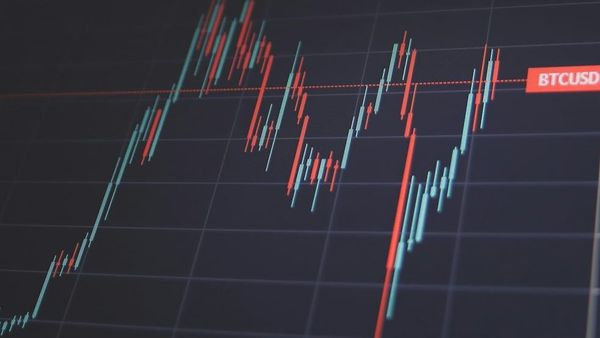
Gold surged 3% Wednesday, while Bitcoin gained more than 5% near $68,100. Bitcoin then extended its advance Thursday, rising 11% over 24 hours to $71,732, its highest level since June. Precious metals also benefited from lower yields and a weaker dollar, with the 30-year Treasury yield falling almost 10 basis points and the dollar dropping 0.8%.
Key Points
- Gold jumped 3% after the Treasury doubled planned long-dated bond buybacks, while the 30-year yield fell almost 10 basis points and the dollar declined 0.8%.
- Bitcoin rallied above $71,000 as lower yields combined with renewed momentum around proposed U.S. cryptocurrency legislation.
- U.S. debt nearing $40 trillion and a fiscal deficit approaching $2 trillion are keeping fiscal risk in focus, while gold ETF inflows and silver demand add another layer to the precious-metals story.
Why Did Gold and Silver Rally?
The immediate catalyst for precious metals was the Treasury's decision to increase liquidity-support buybacks for 10- to 30-year securities. The announcement followed a sharp bond-market selloff that had pushed the 30-year Treasury yield to 5.33% in mid-August, its highest level in 19 years, while the 10-year yield approached 4.75%.
The Treasury's action produced a rapid reversal. The 30-year yield dropped almost 10 basis points, while the dollar fell 0.8%. Those moves supported gold because lower yields reduce the relative appeal of interest-bearing assets, while a weaker dollar provides another favorable influence for the metal.
The reaction was notable relative to the size of the intervention. Treasury increased long-dated buybacks from $2 billion to at least $4 billion per operation, a small amount relative to the roughly $31 trillion Treasury market. Market participants therefore focused heavily on the signal sent by the announcement rather than simply the dollars involved.
The broader fiscal backdrop is also supporting attention on gold. The U.S. fiscal deficit reached $432 billion in July, pushing the year-to-date gap close to $1.8 trillion. The full-year deficit is expected to approach $2 trillion, while national debt is nearing $40 trillion. Financing costs have reached roughly $1.2 trillion so far this year and are on pace for about $1.37 trillion for the fiscal year.
Against that backdrop, global gold ETFs attracted roughly $3 billion in July and about $11 billion year-to-date. SPDR Gold Shares (GLD), along with other physical-gold ETFs, has become one destination for investors responding to fiscal and currency concerns.
Silver is participating in the precious-metals move as well. In the provided market commentary, Jonathan Barat of ETO Markets pointed to both investment demand and industrial demand, including a reported 62% year-over-year increase in imports of silver-bearing ore into China.
Bitcoin Adds Regulation to the Liquidity Story
Bitcoin's rally shares part of the same macro backdrop, but cryptocurrency markets also received a separate catalyst.
Bitcoin climbed more than 5% near $68,100 Wednesday following the Treasury announcement, then rose 11% over the following 24 hours to $71,732 on Thursday. The move took Bitcoin to its highest level since June.
President Donald Trump urged Congress to pass cryptocurrency legislation, while regulators and industry executives also backed the proposed Clarity Act. The legislation would place Bitcoin and other cryptocurrencies under commodity regulations rather than securities laws and faces a procedural vote on Sept. 15.
Other digital assets moved sharply higher as well, with Ethereum rising 19% and XRP gaining 15% over the same 24-hour period.
The Treasury-market reversal provided another tailwind. Lower borrowing costs can reduce the relative attractiveness of interest-bearing assets and add liquidity to financial markets. That allowed Bitcoin and gold to respond positively to the same shift in yields even though their underlying investment cases remain different.
For investors following why markets moved today, the simultaneous strength is an important part of the price action: Treasury intervention, lower long-term yields and a weaker dollar helped lift gold, while Bitcoin combined that macro support with renewed attention on U.S. cryptocurrency regulation.
What Matters Next for GLD, SLV and Bitcoin?
The Treasury market remains a central variable. The recent action followed a period in which long-term borrowing costs had climbed sharply, with the 30-year yield reaching its highest level since 2007. The market's strong response to a relatively modest increase in buybacks shows how sensitive asset prices have become to changes in long-term yields.
Gold's next test is whether safe-haven and ETF demand persist after the initial reaction. Global gold ETFs have already recorded substantial inflows this year, while fiscal deficits and government debt remain prominent parts of the macro environment.
For silver, the picture includes both monetary and industrial factors. The provided market commentary highlighted demand associated with China's position in industries such as solar panels alongside investment and safe-haven flows.
Bitcoin faces an additional event on Sept. 15, when the Clarity Act is scheduled for a procedural vote. The latest rally followed both the Treasury announcement and renewed political support for the legislation, making monetary conditions and regulatory developments two separate factors for cryptocurrency investors to follow.
What It Means for Investors
The latest moves across GLD, SLV and Bitcoin illustrate how changes in the Treasury market can ripple through very different asset classes.
Gold's reaction reflects the combination of falling yields, a weaker dollar and continuing concern over U.S. fiscal conditions. Silver shares some of those influences while also carrying an industrial-demand component. Bitcoin, meanwhile, responded to the shift in yields and liquidity while receiving additional support from developments surrounding cryptocurrency legislation.
The larger market signal is the renewed importance of long-term interest rates. Rising yields had pressured long-duration bonds and other rate-sensitive assets. Treasury's unexpected intervention quickly reversed part of that move and triggered substantial reactions elsewhere.
With U.S. debt nearing $40 trillion, the fiscal deficit approaching $2 trillion and financing costs rising, the interaction between government borrowing, Treasury yields, the dollar and alternative assets remains a major theme in the current stock market update.
Conclusion
Gold, silver and Bitcoin are responding to a market environment increasingly shaped by fiscal conditions and Treasury-market volatility.
The Treasury's decision to double certain long-dated bond buybacks pushed yields and the dollar lower, helping gold rally and providing a favorable backdrop for Bitcoin. Silver also participated as precious metals benefited from renewed attention on liquidity, fiscal risk and demand.
Bitcoin's move carries an additional dimension because cryptocurrency legislation is advancing toward a Sept. 15 procedural vote. That separates its immediate catalyst from gold and silver even as all three assets reacted to the same shift in Treasury yields.
FAQs
Why did gold rally after the Treasury announcement?
Gold rallied after the Treasury doubled liquidity-support buybacks for 10- to 30-year securities. The 30-year Treasury yield fell almost 10 basis points and the dollar dropped 0.8%, providing support for gold.
Why did Bitcoin rise above $71,000?
Bitcoin rose as lower Treasury yields provided a more favorable liquidity backdrop and President Donald Trump urged Congress to pass cryptocurrency legislation. Bitcoin reached $71,732, its highest level since June.
What is driving demand for gold ETFs such as GLD?
Fiscal concerns, currency risk and safe-haven demand have supported gold ETF flows. Global gold ETFs attracted roughly $3 billion in July and about $11 billion year-to-date.
What is supporting silver?
Silver is benefiting from the broader precious-metals environment while also receiving attention for industrial demand. The provided market commentary cited a 62% year-over-year increase in imports of silver-bearing ore into China.
What happens next with the Clarity Act?
The proposed Clarity Act would place Bitcoin and other cryptocurrencies under commodity regulations rather than securities laws. The bill faces a procedural vote on Sept. 15.
This article was created with AI assistance and reviewed by an editor. For details, please refer to our Terms of Use.
Go Beyond the Market Brief with Market Edge
Follow SharperTrades’ complete approach to trading and investing, combining active trade opportunities through Block Orders, long-term research through Stock Investor, and structured market education through the Swing Trading Masterclass. Try Market Edge for $19 your first month →
Explore Research with Stock Investor
Stock Investor is SharperTrades’ platform for long-term investing research and portfolio management. Members receive research reports, portfolio updates, conviction tracking, and in-depth analysis designed to support disciplined investment decisions.
Explore Active Trading & Income Strategies
Block Orders tracks institutional activity and highlights active trade setups and price behavior across long and short opportunities.
For options-focused traders, Essential Option Income provides a structured approach to options income strategies, while Pro Option Trader offers a broader range of options strategies and trade opportunities.
Think More Clearly with SteadyCapital
SteadyCapital is SharperTrades’ decision-support system for long-term investors, built around the SteadyCapital Method™. Review investment ideas, challenge assumptions, evaluate valuation and risk, compare companies, and think through important buy, hold, add, trim, or sell decisions before you act.
Risk Disclosure
All content is provided for educational purposes only and does not constitute investment advice. Trading involves risk, and past performance is not indicative of future results. Please review our full Risk Disclosure for additional information.