Tesla Deliveries Miss as EV Market Shifts Into 2026
Tesla ended 2025 with a second straight annual decline in vehicle deliveries, even as investor focus increasingly shifts toward autonomy, AI, and how the broader EV market is repositioning for 2026.

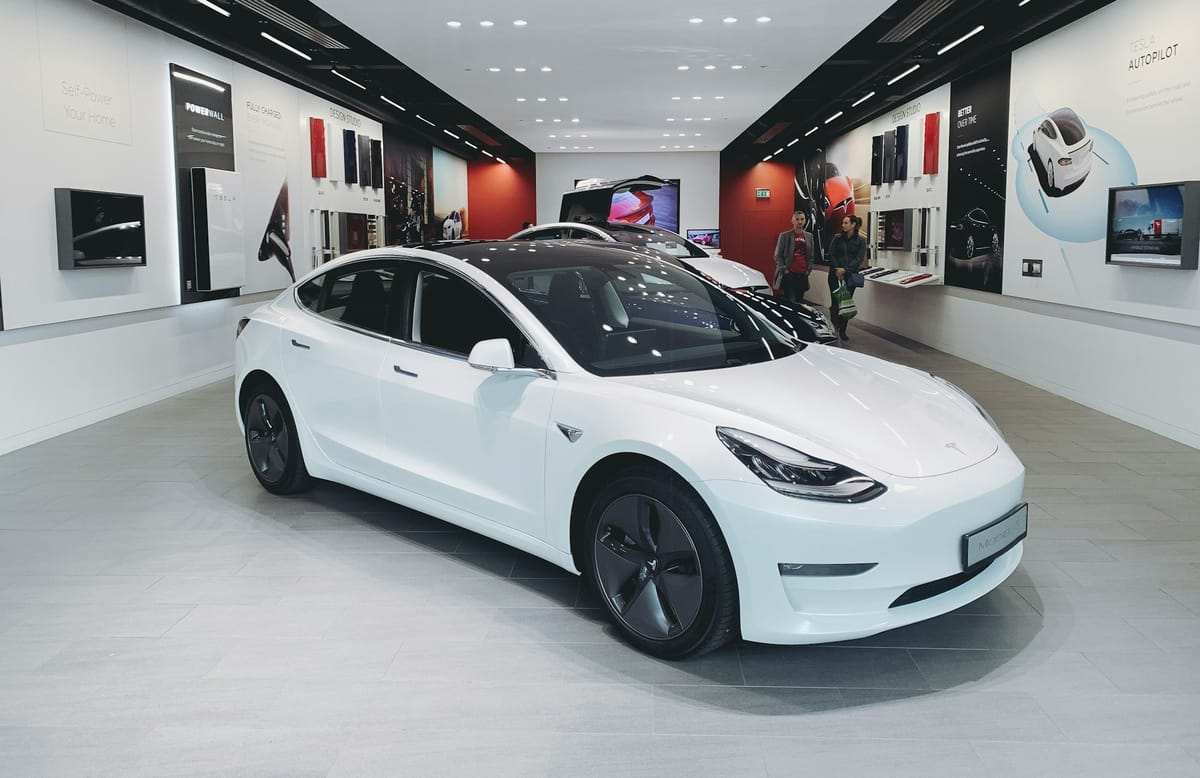
A pivotal stretch for Tesla and the electric vehicle market is unfolding as 2025 data gives way to 2026 expectations.
Tesla (TSLA) reported fourth-quarter vehicle deliveries that came in below expectations, extending a period of slowing sales growth for the electric vehicle leader. At the same time, developments in autonomy and global competition are reshaping market context for traders and investors.
Key Points
- Tesla posted a second consecutive annual decline in vehicle deliveries in 2025
- The loss of U.S. EV tax credits weighed on demand across the sector
- Investor attention is increasingly shifting toward autonomy, robotics, and AI-driven narratives
Why Did Tesla’s Q4 Deliveries Miss Expectations?
Tesla delivered 418,227 vehicles in the fourth quarter, down roughly 15% from the same period a year earlier and below Wall Street expectations of just under 423,000 units. The decline followed an unusually strong third quarter, when buyers rushed to purchase vehicles ahead of the expiration of federal EV tax credits.
For the full year, Tesla delivered 1.64 million vehicles, marking an 8% decline from 2024 and the company’s second straight year of falling annual deliveries. U.S. demand was particularly pressured, with industry estimates showing domestic sales falling more than 20% year over year during the quarter.
How Is the EV Market Evolving Beyond Tesla?
Tesla’s slowdown is occurring against a backdrop of intensifying global competition. Chinese automaker BYD (BYDDF) overtook Tesla as the world’s largest electric vehicle seller in 2025, delivering more than 2.26 million battery-electric vehicles as it expanded overseas.
Other EV makers are also navigating a reset. Rivian (RIVN) reported sharply lower deliveries in 2025 but saw its stock stabilize as investors looked ahead to the 2026 launch of lower-priced models. Across the industry, the end of purchase subsidies and price competition have made volume growth harder to sustain.
Is the Market Looking Past Vehicle Sales?
Despite weaker deliveries, Tesla’s stock reaction has been muted, with shares briefly rising after the report. This market reaction suggests investors are increasingly focused on factors beyond near-term auto sales.
Tesla continues testing robotaxi services in select U.S. cities, while Alphabet’s Waymo (GOOG) is accelerating its own expansion plans for fully autonomous ride-hailing. The contrast between Tesla’s vision-based approach and Waymo’s sensor-heavy model highlights how autonomy is becoming a central theme shaping market sentiment analysis across the EV and technology sectors.
What It Means for Investors
The stock market news explained by Tesla’s latest report shows a widening gap between traditional auto fundamentals and how markets are valuing future technology platforms. For Tesla, vehicle deliveries remain an important revenue driver, but investor narratives increasingly emphasize autonomy, robotics, and AI-enabled services.
At the same time, the broader EV market faces ongoing pressure from subsidy changes, global competition, and pricing dynamics. Market reaction to events such as tax credit expirations and international sales shifts continues to influence short-term volatility risk in trading.
As 2026 approaches, the market context for traders and investors suggests that EV stocks may be judged less on quarterly delivery figures alone and more on how convincingly companies position themselves for the next phase of transportation and automation.
Conclusion
Tesla’s delivery miss underscores the challenges facing the EV market as it transitions out of a subsidy-driven growth phase. While sales trends weakened in 2025, investor focus is clearly shifting toward autonomy and AI-driven opportunities, setting the stage for a different kind of market debate in 2026.
FAQs
Why did Tesla’s vehicle deliveries fall in 2025?
Tesla’s deliveries declined due to tougher comparisons after a tax-credit-driven surge, increased competition, and weaker demand following the expiration of U.S. EV incentives.
How did Tesla perform in the fourth quarter?
Tesla delivered about 418,000 vehicles in Q4, down roughly 15% year over year and below market expectations.
Why did Tesla stock hold up despite weaker sales?
Investors appear focused on Tesla’s longer-term autonomy and AI ambitions rather than short-term vehicle delivery trends.
How is competition affecting the EV market?
Rivals such as BYD increased global sales in 2025, while U.S. and European automakers faced pricing pressure and slowing demand.
What is shaping the EV market outlook for 2026?
Key factors include the pace of autonomous vehicle development, global competition, regulatory changes, and how companies adapt to a post-subsidy environment.
This article was created with AI assistance and reviewed by an editor. For details, please refer to our Terms of Use.
Considering a $1,000 Portfolio Starter?
At Stock Investor, our team maintains a curated watchlist of companies we’re tracking for long-term potential and ongoing market relevance. These names may not be mentioned in today’s article, but they are selected to help investors focus on quality research and disciplined decision-making when they analyze stocks and evaluate market conditions.
Join the Community and Tools Suite
If you want more structured market coverage and ongoing discussion, SharperTrades also offers additional services. These include the Trading Room, a community-focused market discussion and structured reviews, along with Swing Trade Alerts, and Option Income Alert, which deliver curated ideas with educational context to support your process.
Learn the Framework at SharperTrades Academy
If you like the clear, explanatory style of Market Brief, you may also want to explore the Academy and our comprehensive option trading and technical trading programs, where we offer self-paced courses covering technical analysis, options, and risk management — designed to help traders and investors learn how to interpret market news, understand price behavior, and build a repeatable process.
Follow Market Activity with DarkOption Flow
For readers who want a deeper view into how markets behave during major events, DarkOption Flow provides tools that help you monitor market activity and shifting participation. Use it as a companion to price action analysis and market sentiment analysis, especially during periods of elevated uncertainty and volatility risk in trading.
Trading Risk Disclaimer
All information shared is provided for educational purposes only. Any trades placed in reliance on SharperTrades, LLC and/or DarkOption Flow are made at your own risk. Past performance is no guarantee of future results. Trading stocks, cryptos, commodities, options, forex, and other securities involves substantial risk of loss. You must determine your own suitability to trade. Trading results can never be guaranteed. SharperTrades, LLC and DarkOption Flow are not registered investment advisers and do not accept deposits. The technical solution offered by the DarkOption Flow platform is provided by a third party.