Target’s Traffic Recovery and Merchandising Reset Lift Outlook
Target delivered another quarter of sales and traffic growth as merchandise changes, lower prices and stronger digital demand gained traction. A tariff refund boosted headline earnings, but underlying margins and profit guidance also improved.

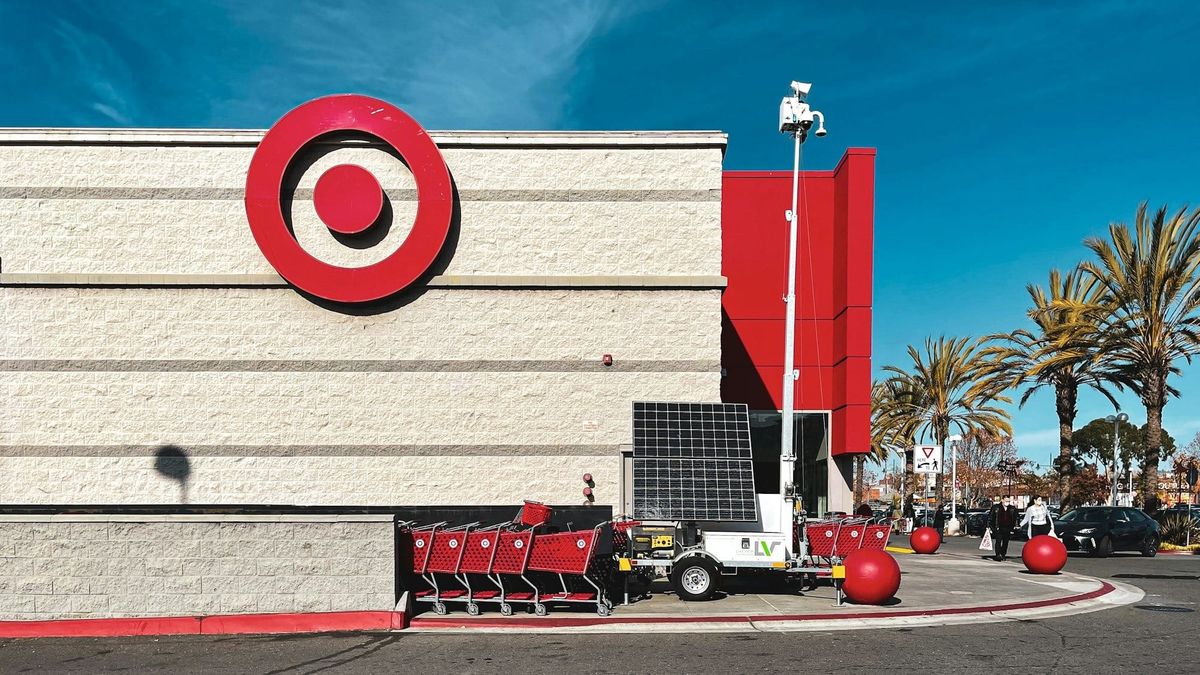
Target’s Turnaround Gains Momentum Beyond the Tariff Boost
Target (TGT) reported second-quarter net sales of $26.54 billion, up 5.3% year over year, while comparable sales increased 3.8% and comparable traffic rose 3.6%. The retailer raised its full-year sales outlook to around 5% growth as all six core merchandise categories posted gains.
Headline earnings benefited substantially from tariff refunds, which added $1.65 per share to quarterly EPS. Excluding that benefit, adjusted EPS was $2.46, up 20% from a year earlier. Target also reported improving underlying margins, stronger digital sales and continued progress from its broad merchandising reset.
Key Points
- Target’s Q2 net sales rose 5.3% to $26.54 billion, comparable sales increased 3.8%, and traffic grew 3.6% as all six core merchandise categories posted growth.
- EPS reached $4.11, including a $1.65-per-share tariff refund benefit. Excluding the refund, EPS increased approximately 20% year over year.
- Target raised full-year sales growth guidance to around 5% and EPS guidance to $9.90-$10.90, while underlying operating margin expectations also improved.
Traffic and Digital Growth Strengthen Target’s Recovery
Target’s second-quarter results showed improvement across several measures of its underlying retail business.
Net sales increased 5.3% year over year to $26.54 billion, while comparable sales rose 3.8%. Comparable traffic increased 3.6%, with the average transaction amount roughly flat.
The improvement was spread across Target’s physical and digital businesses. Store comparable sales increased 2.7%, while digital comparable sales rose 8.7%. Same-day delivery grew more than 25%, and Target fulfilled nearly 30% more same-day and next-day units than a year earlier.
All six of Target’s core merchandise categories generated year-over-year sales growth. Fun 101 posted double-digit growth, while Food & Beverage and Beauty delivered high-single-digit gains.
The company’s merchandising changes are playing an increasingly visible role in those results.
Target has reset nearly half of its center-store grocery assortment, replaced nearly three-quarters of decorative accessories in Home and increased the pace of new product introductions. The retailer has also expanded wellness offerings, added 3,000 beauty products across 60 new brands and introduced a back-to-school assortment that is more than 50% new.
Some individual categories showed particularly strong responses. Snack sales following Target’s grocery transition were running more than 15% above the prior year, Lego sales increased more than 30%, and plush sales rose more than 20%.
Home and apparel, however, remained comparatively weak. Management described growth in those categories as roughly flat and said the Home transformation is expected to be a multiyear effort.
How Much of Target’s Earnings Beat Came From Tariff Refunds?
The tariff refund was a major contributor to Target’s headline Q2 earnings, making the distinction between reported and underlying performance important.
GAAP and adjusted EPS reached $4.11, compared with $2.05 a year earlier. That figure included approximately $1.65 per share from tariff refunds. Excluding the refunds, adjusted EPS was $2.46, representing approximately 20% year-over-year growth.
The refund also had a significant effect on margins.
Target reported a second-quarter gross margin of 33.7%, up 4.7 percentage points from a year earlier. Of that increase, 3.7 percentage points came from tariff refunds. The company recorded a $994 million pre-tax tariff refund as a reduction in cost of sales.
Excluding that impact, gross margin was still approximately one percentage point higher than a year earlier. Target attributed the underlying improvement partly to lower markdown and purchase-order cancellation costs, growth in higher-margin revenue streams and merchandising performance, partially offset by investments in value.
Operating margin increased to 9.6% from 5.2% a year earlier. Excluding tariff refunds, operating margin was approximately 70 basis points higher year over year.
Those figures show why the earnings reaction extends beyond the one-time benefit. The refund materially increased reported profitability, but Target also generated year-over-year improvement after removing it.
Non-merchandise businesses contributed as well. Roundel advertising gross billings increased nearly 20%, Target+ marketplace gross merchandise value rose more than 40%, and Target Circle 360 membership revenue grew more than 40%. Overall non-merchandise sales increased more than 20%.
Higher Guidance Puts Sustainable Growth in Focus
Target raised its full-year outlook for the second time this year.
The company now expects approximately 5% net sales growth in 2026, one percentage point above its previous forecast of around 4% and up from an earlier forecast of 2%.
Target also increased its full-year GAAP and adjusted EPS guidance to $9.90-$10.90 from $7.50-$8.50. The new range includes approximately $1.65 per share from the second-quarter tariff refunds.
Removing that benefit provides a clearer view of the change in Target’s underlying earnings expectations. Excluding the refund, the midpoint of the new EPS range is $0.75 above the midpoint of the previous guidance.
Target expects a full-year operating margin of around 6%, including approximately 90 basis points of benefit from the tariff refunds. Excluding that benefit, management expects operating margin to be approximately 50 basis points above last year’s adjusted rate of 4.6%.
The outlook therefore combines the one-time earnings benefit with an improvement in Target’s expectations for the underlying business.
Management continues to emphasize value as part of the strategy. Target has reduced prices on more than 10,000 items during the past year and said further price reductions are planned. At the same time, the retailer is investing in stores, merchandise and fulfillment.
Second-quarter capital expenditures totaled $1.4 billion, up 27% from a year earlier. Target spent approximately $2.4 billion during the first half and continues to expect roughly $5 billion in full-year capital expenditures.
The retailer opened 17 stores during the second quarter and 24 full-size stores during the first half, while more than 100 remodels are underway. Target remains on track for approximately 130 remodels this year.
CEO Michael Fiddelke framed the improvement as progress rather than completion, saying the company’s objective is not simply a couple of strong quarters but sustained top-line growth over multiple years.
What It Means for Investors
Target’s second-quarter results contain two distinct stories.
The first is the tariff refund. The $994 million pre-tax benefit lifted EPS by approximately $1.65 per share and added 3.7 percentage points to Q2 gross margin. It also accounts for approximately 90 basis points of Target’s expected full-year operating margin.
The second is the operating performance underneath that benefit.
Comparable sales rose 3.8%, traffic increased 3.6%, digital comparable sales grew 8.7%, and every core merchandise category produced year-over-year growth. Excluding tariff refunds, quarterly EPS increased approximately 20%, operating margin improved about 70 basis points and the midpoint of full-year EPS guidance increased by $0.75.
Target is also seeing growth beyond traditional merchandise sales. Advertising, marketplace and membership revenue all expanded rapidly during the quarter, while same-day delivery continued to gain traction.
At the same time, the recovery remains uneven. Home and apparel have yet to produce the sustained growth management wants, and Target continues to invest heavily in pricing, assortment changes, stores and technology.
TGT stock has gained sharply this year as investor expectations around the retailer have improved. The latest earnings report adds another quarter of positive comparable sales and traffic following a prolonged period of weaker performance.
What matters next is whether those trends continue as the one-time tariff refund moves out of the comparison. Target’s own guidance now calls for stronger underlying profitability as well as higher sales, putting future comparable sales, traffic and margins at the center of the company’s turnaround story.
Conclusion
Target’s second-quarter earnings were boosted significantly by a tariff refund, but the quarter also showed broader improvement across the retailer’s core operations.
Sales rose 5.3%, comparable sales increased 3.8%, traffic grew 3.6% and digital comparable sales advanced 8.7%. All six core merchandise categories generated growth, while same-day delivery and Target’s non-merchandise businesses continued to expand.
The $1.65-per-share tariff refund explains a substantial portion of the headline earnings increase. Yet Target also delivered higher earnings and margins after excluding that benefit and raised its underlying full-year expectations.
With sales guidance now at approximately 5% growth and continued investment in pricing, merchandise, stores and fulfillment, the focus shifts from whether Target has produced a stronger quarter to whether its improving traffic and sales trends can develop into the sustained growth management is targeting.
FAQs
How did Target perform in the second quarter?
Target reported net sales of $26.54 billion, up 5.3% year over year. Comparable sales increased 3.8%, comparable traffic rose 3.6%, and GAAP and adjusted EPS reached $4.11.
How much did tariff refunds contribute to Target’s Q2 earnings?
Tariff refunds contributed approximately $1.65 per share to Target’s Q2 earnings. Excluding that benefit, adjusted EPS was $2.46, approximately 20% higher than a year earlier.
What is Target’s updated 2026 guidance?
Target expects full-year net sales growth of around 5% and GAAP and adjusted EPS of $9.90-$10.90. The EPS range includes approximately $1.65 per share from second-quarter tariff refunds.
What drove Target’s comparable sales growth?
Comparable sales increased 3.8% as traffic rose 3.6%. Store comparable sales grew 2.7%, while digital comparable sales increased 8.7%, led by more than 25% growth in same-day delivery.
Which areas of Target’s business still need improvement?
Target said Home and apparel remain below its expectations, with growth in those categories roughly flat. Management described the Home transformation as a multiyear effort and said more work remains.
This article was created with AI assistance and reviewed by an editor. For details, please refer to our Terms of Use.
Go Beyond the Market Brief with Market Edge
Follow SharperTrades’ complete approach to trading and investing, combining active trade opportunities through Block Orders, long-term research through Stock Investor, and structured market education through the Swing Trading Masterclass. Try Market Edge for $19 your first month →
Explore Research with Stock Investor
Stock Investor is SharperTrades’ platform for long-term investing research and portfolio management. Members receive research reports, portfolio updates, conviction tracking, and in-depth analysis designed to support disciplined investment decisions.
Explore Active Trading & Income Strategies
Block Orders tracks institutional activity and highlights active trade setups and price behavior across long and short opportunities.
For options-focused traders, Essential Option Income provides a structured approach to options income strategies, while Pro Option Trader offers a broader range of options strategies and trade opportunities.
Think More Clearly with SteadyCapital
SteadyCapital is SharperTrades’ decision-support system for long-term investors, built around the SteadyCapital Method™. Review investment ideas, challenge assumptions, evaluate valuation and risk, compare companies, and think through important buy, hold, add, trim, or sell decisions before you act.
Risk Disclosure
All content is provided for educational purposes only and does not constitute investment advice. Trading involves risk, and past performance is not indicative of future results. Please review our full Risk Disclosure for additional information.