Persistent Inflation Raises Pressure on the Fed to Keep Interest Rates Higher
Cleveland Fed President Beth Hammack warns that broad-based inflation may require tighter monetary policy. With price pressures spreading across energy, tariffs and AI infrastructure, investors face renewed uncertainty over interest rates.

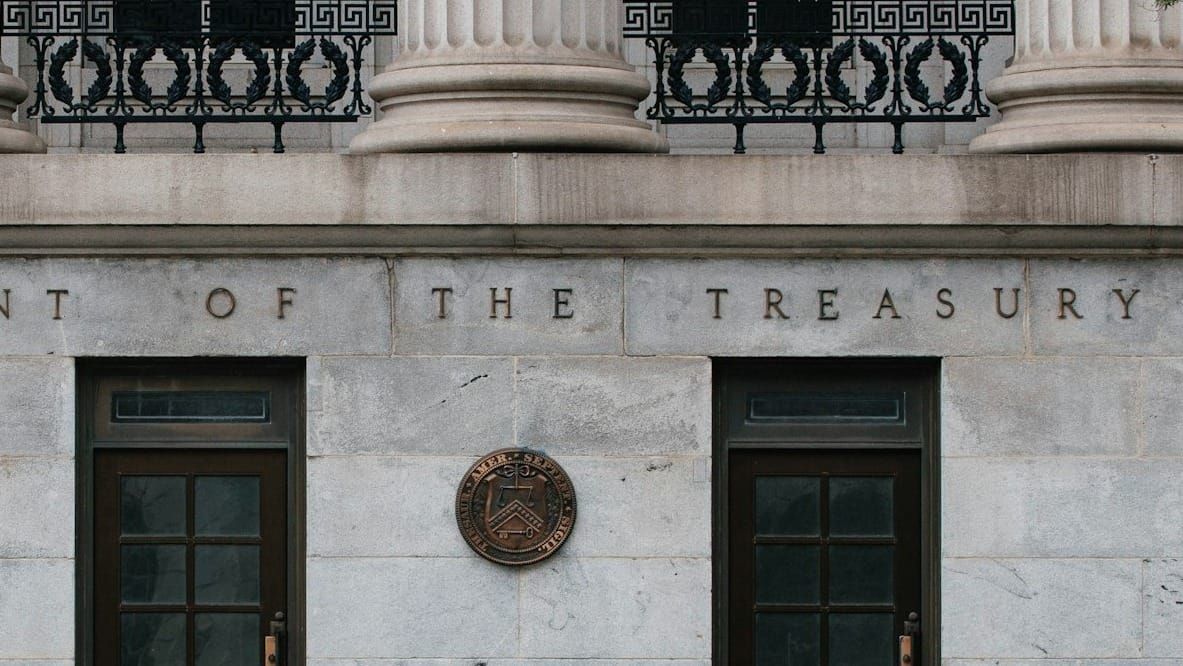
Federal Reserve Signals Continued Concern Over Inflation
The Federal Reserve's fight against inflation remains unfinished, with Cleveland Fed President Beth Hammack calling for a more restrictive monetary policy stance to bring price growth back toward the central bank's 2% target.
Speaking Monday, October 12, Hammack emphasized that inflation pressures extend across multiple sectors of the economy. Her comments follow the Fed's September interest rate increase and come ahead of another inflation report that could influence expectations for the next policy decision.
Key Points
- Inflation remains above the Fed's target, with headline PCE inflation at 3.4% and core inflation at 3% in August.
- Cleveland Fed President Beth Hammack favors smaller, more frequent rate adjustments, arguing that additional monetary restraint is needed to contain persistent price pressures.
- Energy prices, tariffs and AI infrastructure spending are contributing to inflation, while rising bond yields reflect stronger growth expectations, policy repricing and increased debt issuance.
Broad-Based Inflation Complicates the Federal Reserve's Outlook
Inflation remains a central concern for Federal Reserve policymakers, particularly as price increases spread beyond a few isolated categories.
The Personal Consumption Expenditures Price Index, the Fed's preferred inflation measure, rose 3.4% over the year through August. Core inflation, which excludes volatile food and energy prices, registered 3%.
Both readings remain above the central bank's 2% objective.
Hammack said the breadth of current inflationary pressures makes a rapid return to the target difficult, even with appropriate monetary policy.
Rather than identifying one dominant source of inflation, she pointed to several overlapping factors.
Higher energy costs and tariffs are increasing expenses across the economy. Meanwhile, the rapid expansion of artificial intelligence infrastructure is creating additional demand for computer equipment, electrical components and construction materials.
These pressures are affecting industries beyond technology.
Businesses involved in aviation, electricity production and construction compete for some of the same components required by data centers, creating broader cost pressures.
Hammack also cited rising expenses involving health insurance, plastics, metals, grains and electricity.
Importantly, inflation is appearing in core services outside housing, suggesting that price pressures cannot be explained solely by energy costs or tariffs.
The Cleveland Fed president distinguished between temporary supply disruptions and persistent demand-driven inflation.
While some price increases may fade as supply conditions normalize, sustained demand can require tighter monetary policy to bring inflation under control.
Why Is the Fed Considering Additional Interest Rate Increases?
The Federal Reserve raised interest rates in September for the first time in three years, responding to inflation that has remained above target for an extended period.
Minutes from that meeting indicated that policymakers could support another increase, although they did not establish a timetable.
Hammack believes monetary policy needs to become restrictive enough to slow demand and reduce inflationary pressures.
She favors relatively small adjustments made without unnecessary delays, rather than waiting until economic conditions require a larger policy response.
“When feasible, I generally think it’s preferable to make smaller adjustments, and to do so relatively quickly, rather than to wait and risk needing a larger course correction,” Hammack said.
However, she emphasized that this approach does not necessarily mean raising rates at every meeting.
Market expectations currently reflect that distinction.
According to CME FedWatch figures cited in the supplied reporting, traders assigned a probability above 78% to rates remaining unchanged at the Fed's October meeting.
At the same time, markets priced in a nearly 88% probability of an increase at the December meeting.
These probabilities reflect market expectations rather than confirmed policy decisions.
Hammack also expressed concern about the psychological effects of prolonged inflation.
When households and businesses experience persistently rising prices, they may begin treating higher inflation as normal.
That change in expectations can influence wage negotiations, purchasing decisions and corporate pricing behavior.
Hammack said she has encountered early indications of this behavior during discussions with businesses.
Some manufacturers reported passing through higher input costs more readily, while others described increasing prices to protect margins against additional cost pressures.
She warned that allowing an inflationary mindset to become entrenched could make restoring price stability more difficult.
Rising Treasury Yields Reflect More Than Inflation Concerns
Interest rate expectations are not the only factor influencing borrowing costs.
Hammack also discussed the recent rise in bond yields, identifying several forces contributing to the move.
One is stronger economic growth.
Business investment remains active, particularly in areas connected to data centers and AI infrastructure. That activity is supporting demand across related industries and contributing to expectations for continued economic expansion.
Stronger growth can influence Treasury yields because investors reassess the likely path of Federal Reserve policy.
If economic activity remains resilient while inflation stays elevated, expectations for monetary easing can diminish.
Another factor is the substantial volume of debt issuance.
Hammack noted that businesses have been accessing capital markets to finance expansion, including significant investment in AI infrastructure.
She also identified fiscal concerns and higher overseas bond yields as potential contributors to movements in U.S. yields.
These influences can reinforce one another, making it difficult to attribute changes in borrowing costs to a single cause.
Hammack emphasized that financial markets respond continuously to incoming information, while the Federal Reserve adjusts policy at scheduled meetings.
Bond markets therefore provide useful information about economic conditions and expectations for monetary policy.
However, she does not view rising market yields as a complete substitute for Federal Reserve action.
Her assessment is that monetary conditions need to remain sufficiently restrictive to bring inflation back toward the central bank's target.
What It Means for Investors
Hammack's comments highlight an important development in the inflation outlook: price pressures are being sustained by several forces operating simultaneously.
Energy costs and tariffs are increasing business expenses, while investment in AI infrastructure is contributing to demand for equipment, materials and electricity.
For investors, this creates uncertainty about both the direction and timing of future interest rate decisions.
Higher interest rates influence borrowing costs for businesses and households. They also affect the financing environment for companies undertaking major investment projects.
Rising Treasury yields can change how investors assess the relative attractiveness of stocks and bonds, particularly when borrowing costs and future corporate earnings are under pressure.
The AI infrastructure expansion adds another dimension to this relationship.
Investment in data centers is supporting economic activity, but the associated demand for materials, equipment and power is also contributing to the inflation pressures policymakers are attempting to contain.
The upcoming Consumer Price Index report will provide another reading on price trends before the Fed's next policy meeting.
Investors will also be watching whether inflation becomes less widespread, how businesses respond to rising input costs and whether economic demand begins to moderate.
The central question is whether inflation can return toward 2% without requiring substantially more restrictive financial conditions.
Conclusion
The Federal Reserve's inflation challenge remains complicated by persistent price increases across multiple sectors of the economy.
Cleveland Fed President Beth Hammack believes additional monetary restraint is needed and favors smaller, more frequent adjustments when conditions warrant.
Her comments reflect concern that prolonged inflation could influence the behavior of businesses and consumers, making price stability harder to restore.
Meanwhile, strong investment demand, increased debt issuance and changing policy expectations are contributing to higher Treasury yields.
With another inflation report approaching and uncertainty surrounding the timing of the next rate increase, monetary policy remains an important influence on financial markets.
FAQs
Why does the Federal Reserve remain concerned about inflation?
Inflation remains above the Fed's 2% target and is affecting multiple sectors of the economy. Cleveland Fed President Beth Hammack warned that persistent price increases could eventually change how businesses and consumers think about inflation.
Will the Federal Reserve raise interest rates again in 2026?
Federal Reserve officials have indicated that another rate increase is possible, but no timing has been confirmed. Market expectations cited in the reporting favored unchanged rates in October and an increase in December.
How is artificial intelligence contributing to inflation?
The expansion of AI data centers is increasing demand for computer equipment, electrical components and construction materials. This additional demand is contributing to higher costs in technology and other industries that use similar resources.
Why are Treasury yields rising?
Hammack identified several contributing factors, including stronger economic growth expectations, changing assumptions about Federal Reserve policy, substantial debt issuance and developments in overseas bond markets.
What inflation data will investors be watching next?
Investors will receive a new Consumer Price Index report this week. The figures will provide additional information about inflation trends ahead of the Federal Reserve's next policy meeting.
This article was created with AI assistance and reviewed by an editor. For details, please refer to our Terms of Use.
Go Beyond the Market Brief with Market Edge
Follow SharperTrades’ complete approach to trading and investing, combining active trade opportunities through Block Orders, long-term research through Stock Investor, and structured market education through the Swing Trading Masterclass. Try Market Edge for $19 your first month →
Explore Research with Stock Investor
Stock Investor is SharperTrades’ platform for long-term investing research and portfolio management. Members receive research reports, portfolio updates, conviction tracking, and in-depth analysis designed to support disciplined investment decisions.
Explore Active Trading & Income Strategies
Block Orders tracks institutional activity and highlights active trade setups and price behavior across long and short opportunities.
For options-focused traders, Essential Option Income provides a structured approach to options income strategies, while Pro Option Trader offers a broader range of options strategies and trade opportunities.
Think More Clearly with SteadyCapital
SteadyCapital is SharperTrades’ decision-support system for long-term investors, built around the SteadyCapital Method™. Review investment ideas, challenge assumptions, evaluate valuation and risk, compare companies, and think through important buy, hold, add, trim, or sell decisions before you act.
Risk Disclosure
All content is provided for educational purposes only and does not constitute investment advice. Trading involves risk, and past performance is not indicative of future results. Please review our full Risk Disclosure for additional information.