Microsoft and Nvidia Push AI Computing From the Cloud to the PC
Microsoft unveiled its Nvidia-powered Surface Laptop Ultra, bringing demanding AI workloads directly to Windows PCs. The launch expands the Microsoft-Nvidia partnership from cloud infrastructure into a new generation of local AI computing.

Microsoft and Nvidia Bring More AI Processing to Windows
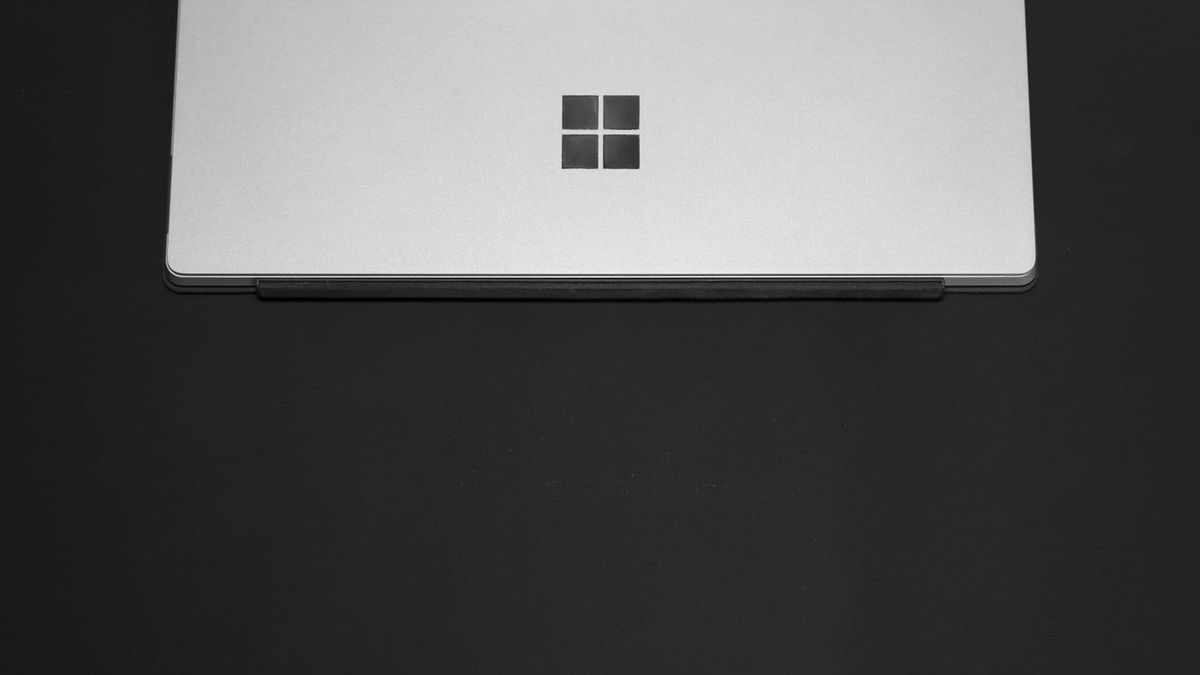
Microsoft (MSFT) unveiled its most powerful Surface laptop to date Wednesday, powered by a new Nvidia (NVDA) RTX Spark processor designed to handle demanding AI, video and gaming workloads.
The Surface Laptop Ultra represents a broader shift in how the companies see AI computing developing. Instead of relying entirely on cloud data centers, Microsoft is adding the ability to run sophisticated AI models locally while connecting those devices with cloud-based services when needed.
Key Points
- Microsoft's Surface Laptop Ultra uses Nvidia's RTX Spark processor to bring more demanding AI workloads directly onto Windows PCs.
- The device supports hybrid AI, allowing workloads to be divided between local hardware and cloud-based computing.
- The launch extends a long-running Microsoft-Nvidia relationship from Azure supercomputing and AI infrastructure into personal computing.
Why Are Microsoft and Nvidia Bringing AI to the PC?
Most of the AI boom has centered on cloud computing, but Microsoft is now pushing more processing directly onto Windows devices.
The Surface Laptop Ultra is built around Nvidia's RTX Spark processor and includes up to 128GB of unified memory. Microsoft says that capacity allows the machine to run demanding AI models that other laptops cannot handle.
The approach creates what Microsoft describes as hybrid AI. Some workloads can remain on the device, while others can use cloud-based models and infrastructure. That distinction can matter when users consider cost, performance and whether data should remain local rather than being sent to the cloud.
Microsoft is also bringing AI agent security and other hybrid AI capabilities to Windows through software updates.
Surface Laptop Ultra Extends Nvidia's AI Reach
The new Surface gives Nvidia another role in the AI ecosystem: powering high-performance AI computing directly on personal devices.
Microsoft demonstrated the laptop simultaneously running a demanding video game, GitHub Copilot and video-editing software. The company also said the system delivers substantially faster AI image and video generation than the MacBook Pro configuration used in its comparison.
The launch builds on a much longer relationship between Microsoft and Nvidia. Nvidia CEO Jensen Huang said Windows was foundational to Nvidia's creation and later helped enable the development of programmable GPUs.
That relationship eventually expanded into cloud computing. Microsoft CEO Satya Nadella said early work with Nvidia technology helped Azure build the supercomputing infrastructure later used to train OpenAI's GPT models.
The Surface Laptop Ultra brings that collaboration back to the PC, this time around AI rather than the graphics workloads that shaped the companies' earlier relationship.
Can Local AI Complement Microsoft's Cloud Strategy?
Microsoft's move toward local AI comes as demand for its cloud computing capacity remains strong. Azure revenue grew 43% in the latest quarter, and management has said demand continues to exceed available supply.
That creates an important backdrop for the Surface launch. Nadella has described Windows as a potential "offload" for AI intelligence, allowing some workloads that might otherwise require cloud resources to run locally.
Local AI does not eliminate Microsoft's cloud business from the equation. Instead, the company's approach connects PCs and cloud infrastructure, with different models and agents used depending on the task.
Cost remains one challenge. The Surface Laptop Ultra starts at $2,599, while the PC industry is dealing with higher memory and storage costs that have contributed to rising device prices and weaker demand.
What It Means for Investors
The Surface Laptop Ultra expands the Microsoft-Nvidia AI relationship into another layer of computing.
Microsoft already operates major AI infrastructure through Azure, where demand remains above available capacity. Nvidia provides much of the accelerated computing technology behind the broader AI buildout. The new Surface brings that relationship directly to Windows hardware.
The development also broadens the AI infrastructure story beyond increasingly large data centers. Microsoft is positioning local devices as another place where AI models and agents can operate, while maintaining connections to cloud services for workloads that require them.
For MSFT and NVDA stock, the launch adds a new dimension to an established partnership: AI processing can increasingly occur both in the cloud and on the user's device.
Conclusion
Microsoft's Surface Laptop Ultra reflects the next step in its partnership with Nvidia, extending AI computing from Azure infrastructure to Windows PCs.
The new device is designed to run demanding AI workloads locally while still working alongside cloud-based models and services. That hybrid approach gives Microsoft another way to expand AI across its ecosystem and gives Nvidia a larger role in high-performance personal computing.
The broader market question is no longer only how much AI computing can be built in the cloud, but how much of that intelligence can also move directly onto everyday devices.
FAQs
What is the Microsoft Surface Laptop Ultra?
The Surface Laptop Ultra is Microsoft's most powerful Surface laptop to date. It uses Nvidia's RTX Spark processor and is designed for demanding AI, video and gaming workloads.
Why is Microsoft bringing AI processing onto PCs?
Microsoft is developing a hybrid AI approach in which some workloads can run locally while others use cloud-based models and infrastructure. Local processing can affect cost, performance and whether data needs to be sent to the cloud.
What role does Nvidia play in the Surface Laptop Ultra?
Nvidia supplies the RTX Spark processor powering the Surface Laptop Ultra. The system supports up to 128GB of unified memory for demanding AI workloads.
How does the Surface Laptop Ultra fit with Microsoft Azure?
Microsoft has described Windows as a potential way to offload some AI computing from the cloud. Azure demand remains above available supply, while the Surface Laptop Ultra provides another place for certain AI workloads to run locally.
How long have Microsoft and Nvidia worked together?
Their relationship extends back to the early development of Windows-based graphics and later expanded into Azure supercomputing. Microsoft said infrastructure built with Nvidia technology helped provide the computing used to train OpenAI's early GPT models.
This article was created with AI assistance and reviewed by an editor. For details, please refer to our Terms of Use.
Go Beyond the Market Brief with Market Edge
Follow SharperTrades’ complete approach to trading and investing, combining active trade opportunities through Block Orders, long-term research through Stock Investor, and structured market education through the Swing Trading Masterclass. Try Market Edge for $19 your first month →
Explore Research with Stock Investor
Stock Investor is SharperTrades’ platform for long-term investing research and portfolio management. Members receive research reports, portfolio updates, conviction tracking, and in-depth analysis designed to support disciplined investment decisions.
Explore Active Trading & Income Strategies
Block Orders tracks institutional activity and highlights active trade setups and price behavior across long and short opportunities.
For options-focused traders, Essential Option Income provides a structured approach to options income strategies, while Pro Option Trader offers a broader range of options strategies and trade opportunities.
Think More Clearly with SteadyCapital
SteadyCapital is SharperTrades’ decision-support system for long-term investors, built around the SteadyCapital Method™. Review investment ideas, challenge assumptions, evaluate valuation and risk, compare companies, and think through important buy, hold, add, trim, or sell decisions before you act.
Risk Disclosure
All content is provided for educational purposes only and does not constitute investment advice. Trading involves risk, and past performance is not indicative of future results. Please review our full Risk Disclosure for additional information.