Micron Shares Rise as AI Memory Shortage Tightens
Micron Technology (MU) is in focus after announcing a $1.8 billion Taiwan facility acquisition as memory chip prices surge and supply remains tight, highlighting how AI-driven demand is reshaping the semiconductor market.

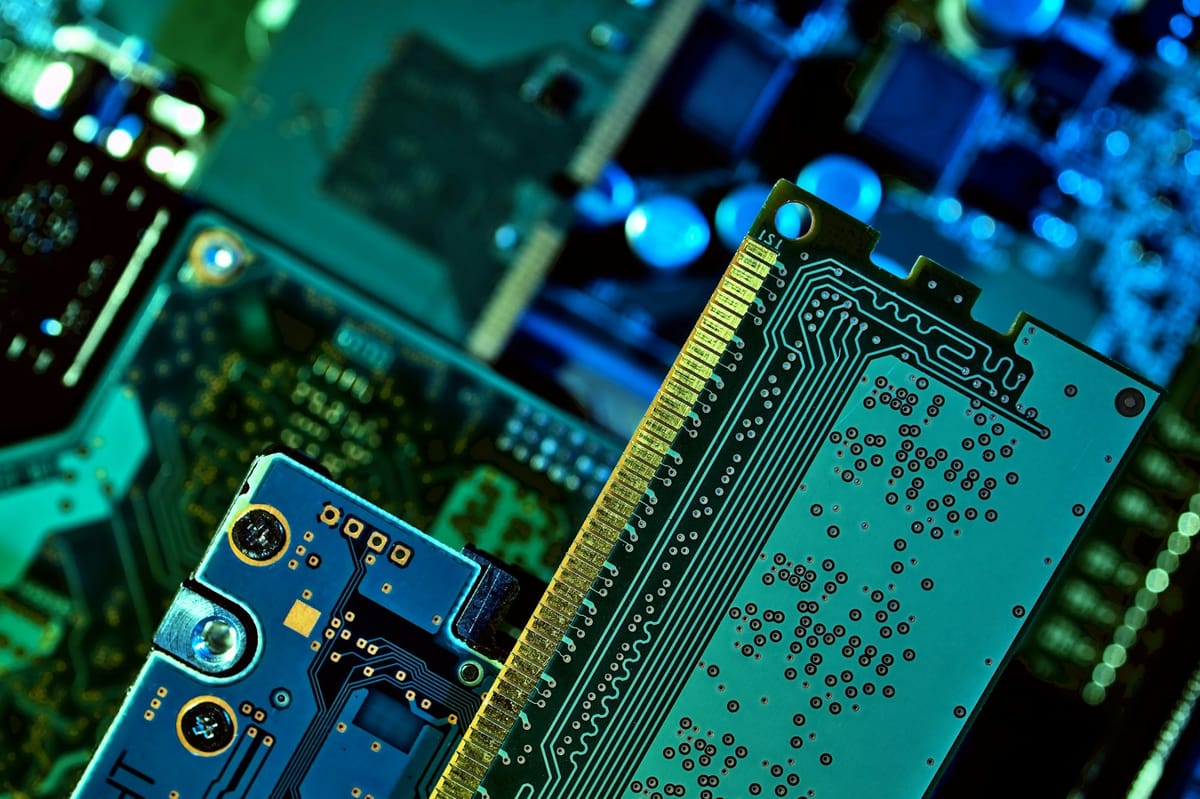
Micron is responding to rising memory demand with a major capacity move.
Micron Technology (MU) is drawing market attention after outlining plans to expand manufacturing capacity amid an unprecedented global memory chip shortage driven by artificial intelligence demand.
Key Points
- Micron plans to acquire a Taiwan chip-making facility for $1.8 billion to boost memory production.
- Memory chip prices surged 40% to 50% in late 2025 and are rising again this quarter.
- Micron shares have risen sharply as tight supply and AI demand reshape market expectations.
Why Is Micron Expanding Capacity Now?
Micron said it signed a letter of intent to acquire an advanced semiconductor fabrication site in Taiwan from Powerchip Semiconductor Manufacturing Corp. for $1.8 billion.
The company said the acquisition would expand cleanroom space and support higher dynamic random-access memory output over time. Management described the move as a way to better serve customers in a market where demand continues to exceed supply.
The expansion comes as memory components play a growing role in AI hardware, particularly high-bandwidth memory used in advanced processors.
How Is the Memory Chip Shortage Affecting Prices?
Memory prices surged between 40% and 50% in the final quarter of 2025 and are expected to rise at a similar pace in the current quarter, according to research cited in the report.
The shortage has been described by Micron executives as “unprecedented,” with AI accelerators absorbing large portions of industry capacity. Demand from servers and data centers has also tightened availability for traditional markets such as PCs and smartphones.
This environment has shifted pricing power toward suppliers as buyers compete to secure future supply.
What Is the Market Reaction to MU Stock?
Micron shares rose about 7.8% in the latest session, reaching a record high. The stock is up roughly 27% so far this year and has more than tripled over the past 12 months.
The move reflects how markets are reacting to company news moving markets, particularly announcements tied to capacity expansion during periods of tight supply. Investors have been watching how pricing trends and production constraints influence revenue and margins in the memory sector.
The broader context includes aggressive investment across the industry as companies race to meet AI-driven demand.
What It Means for Investors
For investors, Micron’s announcement adds market context rather than a single isolated catalyst. The memory market has historically been cyclical, but current conditions are defined by limited supply and rapid demand growth tied to AI infrastructure.
The stock’s recent price action highlights how markets react to events that reinforce tight supply conditions. Rising prices do not just affect sales levels but can also change how markets interpret margin dynamics when production costs remain relatively stable.
At the same time, capacity investments take years to come online, which keeps near-term supply constrained and contributes to volatility risk in trading tied to semiconductor cycles.
Conclusion
Micron’s $1.8 billion Taiwan acquisition underscores how AI-driven demand is reshaping the memory market. With prices rising sharply and supply remaining tight, MU stock has become a clear example of how market reaction to events reflects broader shifts in the semiconductor landscape.
FAQs
Why is Micron expanding its manufacturing capacity?
Micron is expanding capacity to respond to strong demand for memory chips as supply continues to lag consumption.
What is driving the memory chip shortage?
The shortage is being driven largely by AI hardware demand, which requires large amounts of high-bandwidth and server memory.
How much have memory prices increased recently?
Memory prices rose about 40% to 50% in the final quarter of 2025 and are increasing at a similar pace this quarter.
How has MU stock reacted to these developments?
MU stock has climbed sharply, rising about 27% year to date and more than tripling over the past 12 months.
Does the Taiwan facility immediately increase production?
No, the facility is expected to contribute meaningful DRAM output over time, with production ramping in later years.
This article was created with AI assistance and reviewed by an editor. For details, please refer to our Terms of Use.
Explore Research with Stock Investor
For readers evaluating long-term market opportunities, Stock Investor maintains a curated watchlist of companies selected for ongoing relevance and research focus. These names may not be referenced in this article but are tracked to support disciplined analysis and informed decision-making.
Join the SharperTrades Community
SharperTrades offers additional ways to follow markets more closely, including the Trading Room, where members discuss market developments and review price action in real time, as well as Swing Trade Alerts, and Option Income Alert, which provide curated ideas with educational context.
Learn More in the SharperTrades Academy
If you value the clear, explanatory approach of Market Brief, explore the SharperTrades Academy, where we publish in-depth educational content and self-paced programs covering technical analysis, options, and risk management to help traders and investors better interpret market behavior.
Track Market Participation with DarkOption Flow
For deeper insight into how markets behave during major events, DarkOption Flow provides tools designed to monitor market participation and activity. It can be used alongside price action analysis and market sentiment analysis, particularly during periods of elevated volatility.
Risk Disclosure
All content is provided for educational purposes only and does not constitute investment advice. Trading involves risk, and past performance is not indicative of future results. Please review our full Risk Disclosure for additional information.