MGM Buyout Withdrawal Erases Takeover Premium as Investors Refocus on Standalone Business
MGM Resorts International (MGM) sank about 10% after Barry Diller’s People Inc. withdrew its $48.30-per-share acquisition proposal, removing a major takeover catalyst and shifting attention back to MGM’s standalone operations.

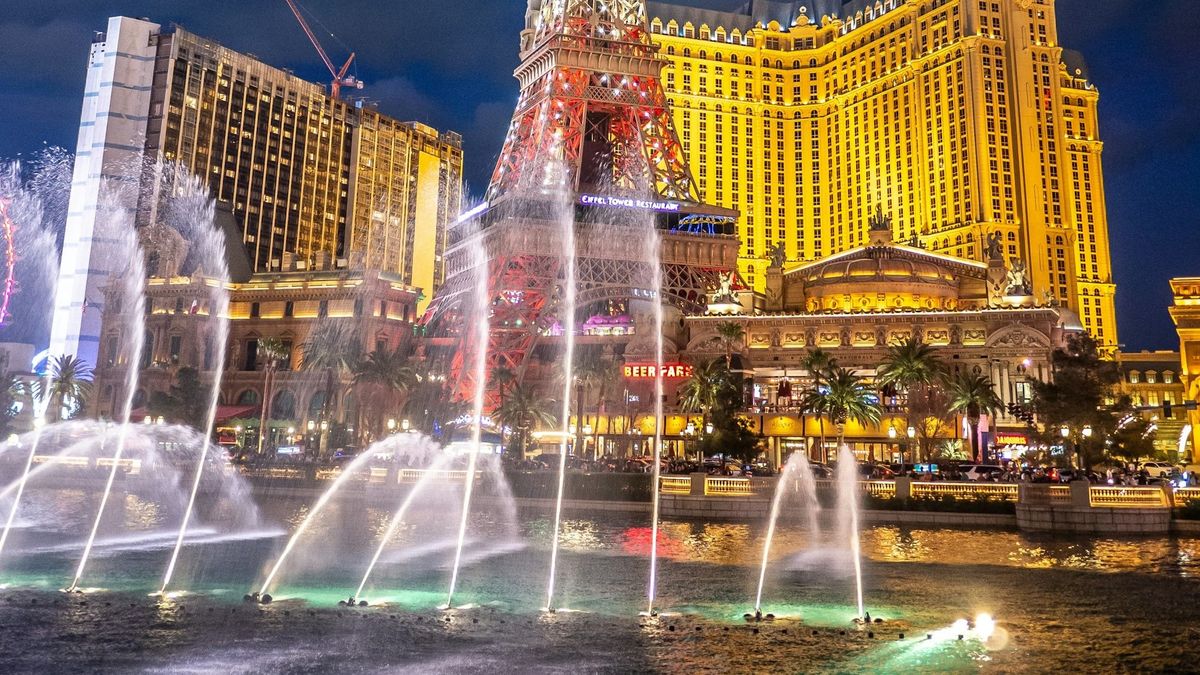
MGM Reprices After People Inc. Walks Away
MGM Resorts International (MGM) shares fell roughly 10% to around $34 in Thursday morning trading after Barry Diller’s People Inc. (PPLI) withdrew its proposal to acquire the MGM shares it does not already own.
People, which owns approximately 27% of MGM, had offered $48.30 per share in cash in June, valuing the casino operator at more than $18 billion. The two sides had been negotiating for several months, but Diller said the elements required to complete the transaction were not coming together as hoped.
The sharp decline stood out against both the broader market and casino peer Caesars Entertainment (CZR), indicating that MGM’s price action was primarily tied to the removal of the proposed acquisition rather than a broader gaming-sector move.
Key Points
- MGM shares fell roughly 10% after People Inc. withdrew its $48.30-per-share cash acquisition proposal.
- People still owns about 27% of MGM and remains open to a possible strategic transaction with the casino operator.
- MGM’s board said the company will continue independently, putting renewed focus on Las Vegas, regional properties, BetMGM, MGM China and MGM Osaka.
Why Did MGM Stock Fall?
The immediate driver behind MGM’s decline was the disappearance of the proposed $48.30-per-share acquisition.
People submitted its proposal on June 1 to purchase the MGM shares it did not already own. A special committee of MGM’s board subsequently negotiated with People over the following months.
That process has now ended without a transaction.
Diller said People had “decided not to pursue taking the company private at this time,” explaining that the components needed to complete the proposal had not come together as expected.
MGM shares fell about 10% to roughly $34 following the announcement, putting the stock on track for its worst session since October 2024. The decline effectively moved MGM substantially farther away from the $48.30 price attached to the June proposal.
The broader market reaction was comparatively modest. Caesars shares were roughly flat while the SPDR S&P 500 ETF Trust (SPY) declined about 0.5%, highlighting the company-specific nature of MGM’s selloff.
Is a Future MGM Transaction Still Possible?
The withdrawal ends the current acquisition proposal, but People did not rule out further discussions involving MGM.
People said it remains interested in the possibility of a strategic transaction and will consider alternatives. The company also continues to own 66.8 million MGM shares, representing approximately 27% of the casino operator.
Diller described People as a long-term investor in MGM, while Citi analyst James Hardiman said the language surrounding the withdrawal indicates that a strategic transaction could still remain a possibility.
Hardiman has a Neutral rating and a $48 price target on MGM, based on 8.75 times Citi’s estimate of MGM’s 2027 earnings before interest, taxes, depreciation, amortization, restructuring and rent costs.
For now, however, the $48.30 acquisition proposal is no longer an actionable transaction. MGM’s board has instead reaffirmed its intention to operate the business independently.
MGM’s Standalone Business Returns to Center Stage
With the acquisition proposal withdrawn, attention shifts back toward MGM’s underlying operations.
MGM owns properties covering roughly 40% of the Las Vegas Strip, but sluggish visitor traffic has weighed on that part of the business. In recent quarters, the company has relied on its China assets, including Macau, and its digital operations for growth.
MGM identified Las Vegas, its regional properties, BetMGM, MGM China and MGM Osaka as important value drivers as it continues as a standalone company.
BetMGM remains one component of that strategy. Earlier in September, the business introduced its 2026-27 football-season lineup with faster live-betting performance, expanded Cash Out functionality and several new promotions and products. BetMGM said it operates in 31 markets.
The withdrawal therefore changes the immediate narrative surrounding MGM stock. Instead of a potential cash acquisition setting a reference point for the shares, operating performance and the company’s individual businesses return to the foreground.
What It Means for Investors
MGM’s Thursday price action illustrates how significantly the proposed acquisition had influenced the stock’s valuation.
The roughly 10% decline occurred while Caesars was essentially unchanged and the broader market was only modestly lower. That divergence points to the withdrawn transaction as the principal driver of MGM’s move.
The situation also contains an important distinction: People has withdrawn its existing proposal, but it has not exited its MGM investment or ruled out other strategic alternatives. Its approximately 27% ownership position remains intact.
Until another transaction emerges, however, MGM is operating under a standalone plan. That places greater importance on results from Las Vegas, regional casinos, BetMGM, MGM China and the development of MGM Osaka.
Conclusion
MGM Resorts’ sharp decline followed the removal of a major catalyst that had been hanging over the stock since June.
People Inc.’s $48.30-per-share proposal is no longer being pursued, and MGM’s board has reaffirmed its standalone strategy. People nevertheless remains one of MGM’s largest shareholders and has left open the possibility of a different strategic transaction.
For the market, that shifts the immediate focus away from a potential takeover price and back toward MGM’s operating businesses and their ability to drive value independently.
FAQs
Why is MGM stock falling today?
MGM Resorts shares fell roughly 10% after Barry Diller’s People Inc. withdrew its proposal to acquire the MGM shares it did not already own.
How much did People Inc. offer for MGM?
People Inc. offered $48.30 per share in cash in June for MGM’s remaining outstanding shares, valuing the casino operator at more than $18 billion.
How much of MGM does People Inc. own?
People Inc. owns 66.8 million MGM shares, representing approximately 27% of the company.
Could People Inc. still pursue a deal with MGM?
People withdrew its current take-private proposal but said it remains interested in a possible strategic transaction with MGM and will consider alternatives.
What happens to MGM now?
MGM’s board said the company will continue as a standalone business, identifying Las Vegas, regional properties, BetMGM, MGM China and MGM Osaka as key value drivers.
This article was created with AI assistance and reviewed by an editor. For details, please refer to our Terms of Use.
Go Beyond the Market Brief with Market Edge
Follow SharperTrades’ complete approach to trading and investing, combining active trade opportunities through Block Orders, long-term research through Stock Investor, and structured market education through the Swing Trading Masterclass. Try Market Edge for $19 your first month →
Explore Research with Stock Investor
Stock Investor is SharperTrades’ platform for long-term investing research and portfolio management. Members receive research reports, portfolio updates, conviction tracking, and in-depth analysis designed to support disciplined investment decisions.
Explore Active Trading & Income Strategies
Block Orders tracks institutional activity and highlights active trade setups and price behavior across long and short opportunities.
For options-focused traders, Essential Option Income provides a structured approach to options income strategies, while Pro Option Trader offers a broader range of options strategies and trade opportunities.
Think More Clearly with SteadyCapital
SteadyCapital is SharperTrades’ decision-support system for long-term investors, built around the SteadyCapital Method™. Review investment ideas, challenge assumptions, evaluate valuation and risk, compare companies, and think through important buy, hold, add, trim, or sell decisions before you act.
Risk Disclosure
All content is provided for educational purposes only and does not constitute investment advice. Trading involves risk, and past performance is not indicative of future results. Please review our full Risk Disclosure for additional information.