Mega-Merger Talks Weigh on AstraZeneca as Bristol Myers Deal Raises Strategic Questions
Reports that AstraZeneca and Bristol Myers Squibb have discussed a nearly $400 billion merger sent AstraZeneca shares sharply lower as investors questioned the strategic rationale, regulatory hurdles, and potential impact on future drug development.

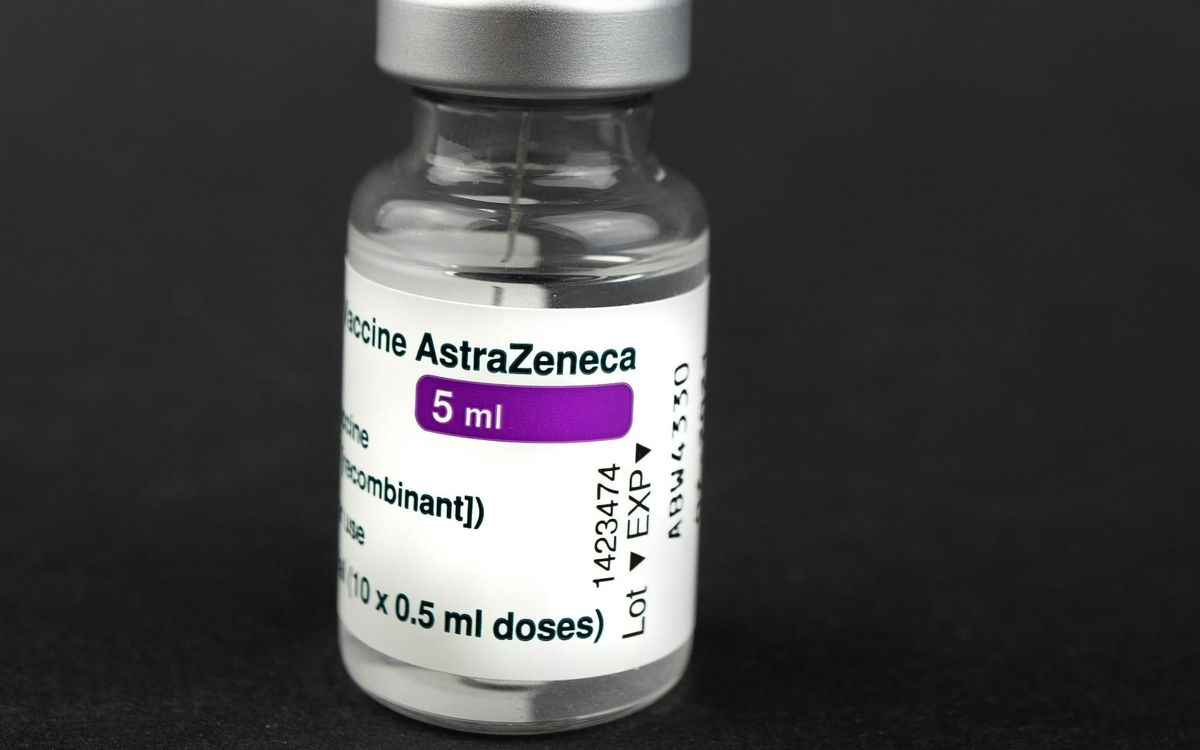
Potential Pharma Mega-Merger Sparks Debate Over Growth Strategy
A reported combination between AstraZeneca and Bristol Myers Squibb would rank among the largest pharmaceutical mergers ever completed. While the deal could expand AstraZeneca's U.S. presence and broaden its oncology portfolio, investors remain focused on execution risks, overlapping products, and regulatory scrutiny.
Key Points
- AstraZeneca (AZN) and Bristol Myers Squibb (BMY) reportedly held preliminary merger discussions involving a company worth nearly $400 billion.
- AstraZeneca shares declined sharply as investors questioned the strategic benefits, while Bristol Myers initially rallied before reversing gains.
- Analysts highlighted significant regulatory hurdles, overlapping oncology businesses, and the potential impact on research productivity.
Why Did AstraZeneca Shares Fall?
Shares of AstraZeneca (AZN) fell sharply after reports from the Financial Times, later followed by Reuters and Bloomberg, indicated the company had held preliminary merger discussions with Bristol Myers Squibb (BMY).
The reported combination would create one of the world's largest pharmaceutical companies, with a combined market value approaching $400 billion. While Bristol Myers initially rose on expectations of a potential acquisition premium, AstraZeneca declined as investors questioned whether such a transaction would create value for existing shareholders.
The contrasting share-price reaction reflected differing market expectations. Investors appeared to view Bristol Myers as a potential beneficiary of any takeover premium, while AstraZeneca shareholders focused on the financial, operational, and execution risks associated with such a large acquisition.
What Is the Strategic Logic Behind the Deal?
A merger would significantly expand AstraZeneca's commercial presence in the United States.
According to Jefferies, approximately 42% of AstraZeneca's first-half 2026 revenue came from the U.S., compared with 69% for Bristol Myers during its latest quarter. Acquiring Bristol Myers would substantially strengthen AstraZeneca's position in its largest pharmaceutical market while combining complementary areas across oncology.
Supporters of the transaction also point to the companies' different therapeutic strengths. AstraZeneca has a larger presence in solid tumors, while Bristol Myers brings expertise in blood cancers and cell therapies. Together, the companies would own one of the industry's broadest oncology portfolios.
However, several analysts questioned whether AstraZeneca needs such a transformational acquisition given its existing pipeline and previously announced goal of reaching $80 billion in annual revenue by 2030. CEO Pascal Soriot recently stated that the company does not require acquisitions to achieve its long-term objectives.
What Could Prevent the Merger?
Regulatory approval represents one of the largest obstacles.
Both companies compete directly in several oncology markets, including non-small cell lung cancer, where Bristol Myers' Opdivo and AstraZeneca's Imfinzi compete head-to-head. Analysts noted that such overlap could require significant divestitures before regulators would approve any combination.
Several research firms also expressed concerns about execution.
UBS noted that large pharmaceutical mergers have historically slowed research and development productivity, while BMO Capital Markets questioned whether either company possesses sufficient financial capacity to execute a transaction of this size without a complex combination of cash and stock.
Political considerations could add another layer of scrutiny. A merger involving one of the largest U.S. pharmaceutical companies and a UK-based acquirer may attract additional attention beyond traditional antitrust review, particularly given the current focus on domestic pharmaceutical manufacturing.
What It Means for Investors
The reported discussions highlight two important themes currently shaping the pharmaceutical sector.
First, major drugmakers continue searching for ways to strengthen long-term growth as patent expirations approach for several blockbuster medicines. Second, investors remain cautious toward very large pharmaceutical mergers despite increased acquisition activity across the industry.
While smaller biotechnology acquisitions have become common in recent years, a merger of this size would present far greater financial, operational, and regulatory challenges. The market's reaction suggests investors are placing significant weight on execution risk alongside any potential strategic benefits.
Conclusion
The reported merger discussions between AstraZeneca and Bristol Myers Squibb would represent one of the largest pharmaceutical combinations ever attempted.
Although the transaction could strengthen AstraZeneca's U.S. presence and create one of the industry's largest oncology portfolios, investors remain focused on overlapping products, regulatory hurdles, financing requirements, and the challenges historically associated with integrating large pharmaceutical companies.
Neither company has confirmed the discussions, and reports indicate a transaction may ultimately never materialize.
FAQs
Why did AstraZeneca shares fall on the merger reports?
Investors questioned whether a large acquisition would create value given AstraZeneca's existing growth profile, execution risks, and potential regulatory challenges.
Why did Bristol Myers initially outperform AstraZeneca?
The market viewed Bristol Myers as a potential acquisition target that could benefit from a takeover premium if a transaction were completed.
What is the biggest obstacle to a merger?
Analysts cited significant regulatory concerns due to overlapping oncology products, along with financing complexity and integration risks.
Have AstraZeneca or Bristol Myers confirmed the discussions?
No. Neither company has confirmed the reported merger discussions, and reports indicate a deal may never materialize.
This article was created with AI assistance and reviewed by an editor. For details, please refer to our Terms of Use.
Explore Research with Stock Investor
Stock Investor is SharperTrades’ platform for long-term investing research and portfolio management. Members receive research reports, portfolio updates, conviction tracking, and in-depth analysis designed to support disciplined investment decisions.
Explore Additional Market Services
SharperTrades offers additional ways to stay connected to the market. Block Orders tracks institutional activity and highlights active trade setups and price behavior across long and short opportunities. For options-focused traders, Essential Option Income provides a structured approach to income strategies.
Build Your Market Knowledge
If you value the clear, explanatory approach of Market Brief, explore SharperTrades Academy, where we publish in-depth content and structured programs covering technical analysis, options, and risk management to help you better interpret market behavior.
Think More Clearly with SteadyCapital
SteadyCapital is SharperTrades' AI-powered behavioral investing app designed to help investors make better decisions. Review investment ideas, run company valuations, compare businesses, challenge your assumptions, and use the AI Coach to think more clearly before making important investment decisions.
Risk Disclosure
All content is provided for educational purposes only and does not constitute investment advice. Trading involves risk, and past performance is not indicative of future results. Please review our full Risk Disclosure for additional information.