Gap's Old Navy Recovery and Brand Momentum Lift Shares Despite Weaker Outlook
Gap stock surged more than 15% as improving Old Navy sales and continued strength at its namesake brand outweighed reduced annual guidance. Warmer weather pressured demand, but recent improvement offered encouragement ahead of the holiday season.

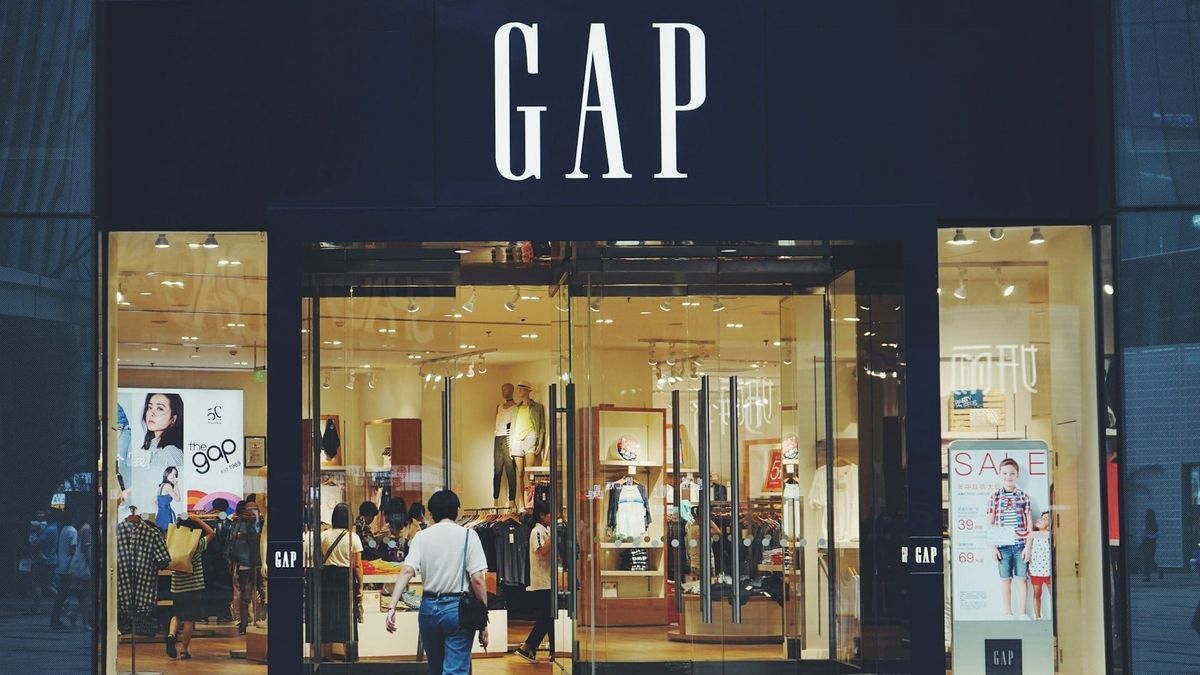
Gap Shares Rally as Investors Look Beyond Weather-Related Sales Weakness
Gap Inc. (GAP) shares surged more than 15% on November 20, 2026, after the apparel retailer reported mixed third-quarter earnings and lowered its full-year outlook. Despite the guidance reduction, investors responded positively to improving performance at Old Navy, sustained growth at the Gap brand and signs that consumer demand was recovering as temperatures cooled.
The results highlighted contrasting trends across Gap's retail portfolio. Its namesake brand continued gaining momentum, while Old Navy stabilized after a difficult second quarter. However, Banana Republic and Athleta remained under pressure, and unusually warm fall weather disrupted demand for seasonal clothing.
Key Points
- Gap shares surged more than 15% despite reduced guidance, as investors focused on improving sales trends and stronger-than-expected quarterly profitability.
- Old Navy stabilized while the Gap brand maintained strong momentum, with comparable sales at the namesake brand increasing 9% for its 12th consecutive quarter of growth.
- Warmer fall weather pressured seasonal demand, prompting lower annual sales and earnings forecasts, while Athleta's continued weakness led to a leadership change.
Why Did Gap Stock Surge Despite Lowered Earnings Guidance?
Gap reported third-quarter revenue of approximately $4 billion, a 2% increase from a year earlier, while comparable sales remained flat. Comparable sales measure revenue changes at established stores and comparable online operations, providing a clearer view of underlying retail demand. Adjusted earnings reached $0.82 per share, exceeding analysts' expectations of $0.78, and operating profitability improved, supported partly by lower incentive compensation expenses.
However, the retailer lowered its full-year outlook after experiencing weaker-than-expected demand during October and early November. Gap now expects annual sales to remain roughly flat, compared with its previous forecast for growth of 1% to 1.5%, and reduced its adjusted earnings guidance to $2.29–$2.34 per share, down from $2.35–$2.45. The reduction reflected a slower start to the fourth quarter, as unusually warm temperatures discouraged purchases of seasonal merchandise. Chief Executive Richard Dickson said demand had softened during the warmer period but showed signs of improvement as temperatures cooled.
That improvement helped explain the market's reaction. Rather than focusing exclusively on the reduced guidance, investors appeared encouraged by the stabilization of Old Navy and the continued strength of Gap's namesake brand. The rally was particularly notable because the shares had declined substantially before the announcement, reflecting concerns about consumer spending and the retailer's turnaround progress. The reaction suggests investors placed greater emphasis on improving operating trends than on the immediate impact of weaker seasonal demand.
Old Navy Stabilizes as Gap Brand Extends Its Growth Streak
Performance across Gap's four major brands remained uneven, but two developments stood out. The Gap brand delivered another strong quarter, with comparable sales increasing 9% from a year earlier, its 12th consecutive quarter of growth. The improvement was broad-based, spanning men's, women's, children's and baby clothing, with particular strength in denim and fleece. The sustained performance suggests the company's product assortment and marketing initiatives continue resonating with shoppers.
Old Navy, the company's largest brand, also showed signs of progress. Comparable sales were flat during the third quarter, improving from a 4% decline in the previous quarter. Although flat sales do not represent a return to growth, the sequential improvement was significant because Old Navy accounts for approximately 57% of Gap's total revenue, so even modest changes in its performance can substantially influence companywide results. Management attributed the improvement to better execution across merchandise assortments and marketing, particularly in denim, activewear and knitwear. Promotions also helped support demand, highlighting the importance of pricing and value for Old Navy customers.
The remaining brands continued facing challenges. Banana Republic comparable sales declined 3%, reflecting weaker customer response to its fall women's assortment and delayed demand for cold-weather merchandise. Athleta experienced a more substantial decline, with comparable sales falling 15%, as the activewear brand has struggled to gain traction despite efforts to modernize its merchandise and marketing.
Gap announced that Ashley Kechter, previously global president at Vuori, will become Athleta's brand president and CEO effective December 14, 2026. Kechter also previously held leadership roles at Gap, bringing experience in both activewear and the company's broader retail operations. Her appointment represents an important step in the retailer's efforts to address Athleta's prolonged weakness.
Holiday Sales and Promotions Remain the Next Test
The holiday shopping season will provide an important test of Gap's recent operating improvements. Management expects fourth-quarter sales to range from flat to a 1% decline compared with the previous year, and projects gross margin of approximately 38% to 38.3%, reflecting pressure from promotional activity and weaker seasonal demand. Gross margin measures the portion of sales remaining after the direct cost of merchandise; lower margins can indicate that retailers are relying more heavily on discounts or facing higher product costs. Gap's third-quarter adjusted gross margin was approximately 42.4%, broadly unchanged from a year earlier, as the company benefited from lower tariff rates, although higher fuel costs partially offset those savings.
Jefferies analyst Corey Tarlowe described the quarter as mixed, noting better-than-expected profitability, sequential improvement at Old Navy and continued momentum at Gap. However, he also highlighted softer demand and increased promotional activity as risks to fourth-quarter profitability. Jefferies lowered its price target to $22, emphasizing the importance of holiday execution.
Management's outlook assumes only modest further improvement in consumer demand. Recent trends have improved across much of the company's portfolio as temperatures cooled, but Athleta remains an exception. The timing of seasonal purchases is especially relevant for apparel retailers because demand for sweaters, fleece and other cold-weather merchandise can shift when temperatures remain unusually warm, and a delayed start to seasonal shopping can create additional pressure if retailers need to use promotions to clear inventory. For Gap, the central challenge is maintaining the recent improvement in customer demand without relying excessively on discounts.
The company has also continued returning capital to shareholders. Year to date, Gap has distributed approximately $788 million through dividends and share repurchases. Its board authorized a quarterly dividend of $0.175 per share, payable on or after January 27, 2027, to shareholders of record on January 6. These capital returns provide additional context for the company's financial position as it continues investing in brand development and operational improvements.
What It Means for Investors
Gap's earnings reaction highlights how investors can respond positively to improving business trends even when a company reduces its financial outlook. The third-quarter results were not uniformly strong: comparable sales were flat, management lowered its annual forecasts, and two of the company's four major brands continued experiencing declining sales. The market nevertheless appeared to focus on the direction of change within Gap's largest businesses. Old Navy's stabilization is particularly important given its contribution to companywide revenue, while the Gap brand's sustained growth demonstrates that parts of the turnaround strategy are delivering results.
The distinction between temporary weather-related weakness and underlying consumer demand remains central to the outlook. Management attributed part of the recent slowdown to unusually warm temperatures and reported improving trends as conditions became cooler. Promotional activity, however, remains a concern. Discounting can support sales volumes but also reduce profitability, making gross margin an important measure of performance during the holiday season.
Athleta represents another significant challenge. Its continued sales declines indicate that merchandise and marketing changes have not yet restored customer momentum, and the appointment of a new brand leader introduces another stage in the company's efforts to improve performance. For investors following GAP stock, the next developments will center on fourth-quarter sales, Old Navy's ability to maintain its recovery, continued strength at the Gap brand and the effect of promotions on profitability.
Conclusion
Gap's November 20 rally reflected improving confidence in the retailer's underlying business trends despite a weaker financial outlook. Stronger-than-expected adjusted earnings, continued growth at its namesake brand and meaningful sequential improvement at Old Navy helped offset concerns about warmer weather, reduced annual guidance and ongoing weakness at Banana Republic and Athleta. Management's comments about improving demand as temperatures cooled provided additional encouragement ahead of the holiday shopping season.
However, the company still faces challenges in restoring growth across its entire portfolio while maintaining profitability amid promotional pressure, and the leadership change at Athleta underscores the work remaining in that business.
The central question is whether Old Navy's stabilization and the Gap brand's sustained momentum can translate into stronger companywide performance as the holiday season progresses.
The next quarterly results will provide greater clarity about whether the recent improvement represents a durable recovery or remains constrained by uneven consumer demand.
FAQs
Why did Gap stock rise more than 15% after earnings?
Gap shares surged because investors focused on improving sales trends at Old Navy, continued strength at the Gap brand and better-than-expected adjusted earnings. Management also reported improving consumer demand as temperatures cooled, despite lowering its full-year outlook.
Why did Gap lower its full-year sales guidance?
Gap reduced its annual sales forecast after unusually warm weather softened demand for seasonal clothing during October and early November. The company now expects full-year sales to remain roughly flat, compared with its previous forecast for growth of 1% to 1.5%.
How did Old Navy and the Gap brand perform in the third quarter?
Old Navy reported flat comparable sales, improving from a 4% decline in the previous quarter. The Gap brand delivered 9% comparable sales growth, marking its 12th consecutive quarter of gains.
Why is Athleta struggling, and who is its new CEO?
Athleta reported a 15% decline in comparable sales as efforts to modernize its merchandise and marketing struggled to attract and retain customers. Gap appointed former Vuori executive Ashley Kechter as Athleta's new brand president and CEO, effective December 14, 2026.
What matters next for Gap investors?
The main developments to monitor are fourth-quarter holiday sales, Old Navy's continued recovery, sustained growth at the Gap brand and the effect of promotional activity on margins. Athleta's performance under new leadership will also remain important.
This article was created with AI assistance and reviewed by an editor. For details, please refer to our Terms of Use.
Go Beyond the Market Brief with Market Edge
Follow SharperTrades’ complete approach to trading and investing, combining active trade opportunities through Block Orders, long-term research through Stock Investor, and structured market education through the Swing Trading Masterclass. Try Market Edge for $19 your first month →
Explore Research with Stock Investor
Stock Investor is SharperTrades’ platform for long-term investing research and portfolio management. Members receive research reports, portfolio updates, conviction tracking, and in-depth analysis designed to support disciplined investment decisions.
Explore Active Trading & Income Strategies
Block Orders tracks institutional activity and highlights active trade setups and price behavior across long and short opportunities.
For options-focused traders, Essential Option Income provides a structured approach to options income strategies, while Pro Option Trader offers a broader range of options strategies and trade opportunities.
Think More Clearly with SteadyCapital
SteadyCapital is SharperTrades’ decision-support system for long-term investors, built around the SteadyCapital Method™. Review investment ideas, challenge assumptions, evaluate valuation and risk, compare companies, and think through important buy, hold, add, trim, or sell decisions before you act.
Risk Disclosure
All content is provided for educational purposes only and does not constitute investment advice. Trading involves risk, and past performance is not indicative of future results. Please review our full Risk Disclosure for additional information.