Dick's Sporting Goods Signals Early Foot Locker Turnaround as Core Business Drives Higher Outlook
Dick's Sporting Goods shares surged nearly 15% after stronger-than-expected earnings and raised full-year profit guidance. Foot Locker's return to comparable sales growth signals early progress in its turnaround, despite continued footwear industry challenges.

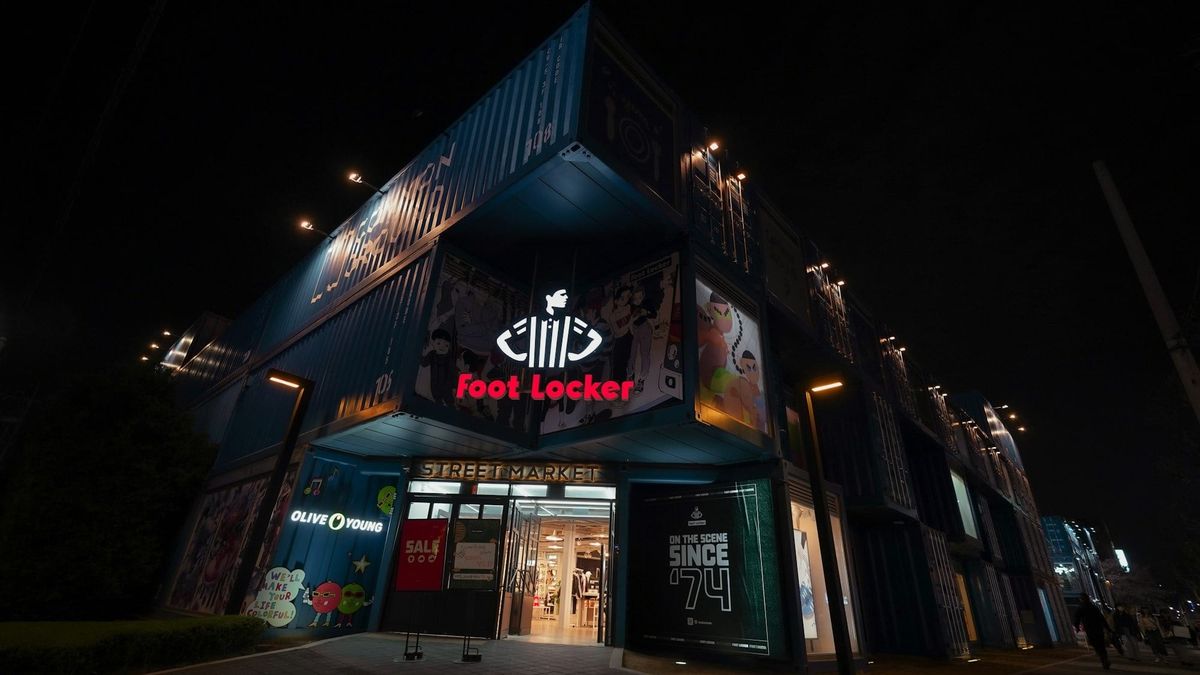
Foot Locker's Stabilization Strengthens Confidence in Dick's Sporting Goods
Dick's Sporting Goods (DKS) shares surged nearly 15% on Tuesday, November 24, after the retailer reported better-than-expected third-quarter earnings and raised its full-year profit outlook. Strong demand across its core sporting goods business was complemented by encouraging signs of stabilization at Foot Locker.
The results follow a disappointing second-quarter report that raised concerns about the financial impact of the Foot Locker acquisition. Although the acquired business remains unprofitable, its return to comparable sales growth suggests that operating conditions are beginning to improve.
Key Points
- Foot Locker shows early turnaround progress: Comparable sales returned to positive territory, supported by stronger U.S. demand and growing interest in new footwear products.
- Core business remains resilient: Dick's continued gaining market share, with demand for footwear, team sports equipment, and differentiated merchandise supporting better-than-expected quarterly earnings.
- Higher earnings outlook despite ongoing challenges: Management raised its full-year profit guidance, although Foot Locker's operating losses, elevated inventory, and industry-wide promotional pressure remain important concerns.
Foot Locker Shows Early Signs of a Turnaround
The most significant development in Dick's third-quarter report was the improvement at Foot Locker, which had become a major source of investor concern following its acquisition. Foot Locker's comparable sales increased 0.5%, reversing a 3.6% decline in the previous quarter. Its U.S. Foot Locker stores were a particular bright spot, recording comparable sales growth of more than 4%. Comparable sales measure performance across comparable retail locations, helping investors distinguish improvements in underlying customer demand from growth associated with acquisitions or store expansion.
The return to positive territory is encouraging for a business that has struggled with weakening demand, elevated inventory, and intense competition across the athletic footwear market.
“We also made progress at Foot Locker and delivered a slightly positive comp, despite a continued challenging athletic footwear marketplace,” said Executive Chairman Ed Stack.
New Footwear Products Help Revitalize Customer Demand
Management highlighted growing consumer interest in new and differentiated footwear products as an important contributor to Foot Locker's improving performance. Among the products attracting demand were new launches from Nike (NKE), including its Caitlin Clark basketball shoes. Stack emphasized that customers are responding to new products rather than established sneaker styles that have remained on store shelves for extended periods.
Foot Locker is consequently working to adjust its merchandise assortment more quickly, responding to changing consumer preferences across brands, product franchises, and footwear designs. The strategy addresses one of the central challenges facing athletic footwear retailers: older sneaker styles have been taking longer to sell, contributing to heavier discounting across the industry and placing pressure on profitability.
Sales Stabilization Has Yet to Restore Profitability
Despite the improvement in customer demand, Foot Locker recorded a segment loss of approximately $41 million during the quarter as store closures and restructuring efforts continued. Performance also remained uneven across geographic markets, with North American comparable sales improving while international comparable sales continued to decline.
These results highlight the distinction between stabilizing sales and achieving a sustainable financial turnaround. Foot Locker has begun to show signs of improving demand, but its cost structure, inventory levels, and promotional activity remain significant challenges.
Why Did Dick's Sporting Goods Stock Surge Nearly 15%?
The sharp market reaction reflected stronger-than-expected quarterly earnings, continued resilience in the company's core business, and improving confidence in the Foot Locker integration.
Third-quarter revenue increased approximately 23% to $5.13 billion, exceeding Wall Street expectations. Adjusted earnings reached $1.94 per share, comfortably above analyst estimates, although they remained below the prior-year level. The substantial increase in consolidated revenue partly reflected a full quarter of Foot Locker ownership, compared with approximately eight weeks in the corresponding period last year, so the headline growth does not entirely represent organic growth from existing retail operations.
Core Sporting Goods Business Continues Gaining Market Share
Dick's namesake business remained a source of stability during the quarter, with comparable sales increasing 2.6% despite a strong comparison with the previous year. Management attributed the performance to continued market share gains, differentiated merchandise, and healthy back-to-school demand. Footwear was a particularly strong category, while demand for team sports products also remained healthy. Soccer-related merchandise benefited from increased consumer interest following the World Cup.
The performance suggests that Dick's core retail business continues to resonate with customers despite broader concerns about discretionary spending and competitive pressures across athletic footwear. However, segment profit remained approximately unchanged from the previous year, indicating that higher sales have not eliminated ongoing cost and margin pressures.
Store Expansion and Digital Services Support Growth
Dick's also continued investing in its larger-format retail concepts, opening six House of Sport locations and three Field House stores during the quarter. These additions brought the company's total to 47 House of Sport locations and 55 Field House stores, expanding its presence through formats designed to differentiate the shopping experience.
Beyond traditional retail, the company's GameChanger digital sports platform continues to contribute to its broader strategy, with management expecting annual revenue to approach $200 million. The company also completed approximately $903 million in quarterly share repurchases, reducing the number of outstanding shares and providing additional support for earnings per share.
Raised Earnings Outlook Meets Continued Footwear Industry Challenges
Following its third-quarter performance, Dick's Sporting Goods raised its adjusted earnings guidance for the fiscal year ending in January 2027. Management now expects annual adjusted earnings of between $11.45 and $12.30 per share, up from its previous forecast of $11 to $12. Even the lower end of the revised range exceeds the FactSet consensus estimate.
The company also modestly increased the lower end of its annual revenue forecast, although the revised range remains broadly consistent with Wall Street expectations. The larger improvement in earnings guidance indicates that the primary positive surprise lies in expected profitability rather than a substantial acceleration in overall revenue growth. Management also raised the lower end of its comparable sales growth outlook for the core Dick's business, reinforcing confidence in its established retail operations.
Foot Locker's Full-Year Outlook Remains Unchanged
Despite the encouraging third-quarter results, management maintained its existing full-year expectations for Foot Locker. The company continues to anticipate comparable sales ranging from flat to a 2% decline, alongside an annual segment loss of between $40 million and $80 million.
The unchanged outlook provides an important counterbalance to the positive market reaction. While Foot Locker's latest results demonstrate early progress, management has not yet incorporated a stronger recovery into its annual expectations for the business. The integration remains particularly important following Dick's disappointing August earnings report, which triggered a share-price decline of more than 25% as investors reassessed the financial risks associated with the acquisition. Tuesday's rebound reflects greater confidence that those pressures may be easing, rather than evidence that the turnaround is complete.
Elevated Inventory and Promotional Pressure Remain Key Risks
Inventory management will be particularly important heading into the holiday shopping season. Dick's consolidated inventory increased 9% from the previous year, with Foot Locker recording a considerably larger increase than the core sporting goods business. Elevated inventory can create financial pressure when merchandise does not sell as quickly as anticipated, potentially forcing retailers to offer additional discounts to clear existing stock.
The company also reported declines in consolidated gross and operating margins, partly reflecting its increased exposure to Foot Locker's lower-margin operations. The upcoming holiday quarter will therefore provide an important indication of whether improving customer demand can help reduce inventory pressure without requiring excessive promotional activity.
What It Means for Investors
Dick's latest earnings report highlights the importance of distinguishing between the strength of its established retail business and the challenges of integrating Foot Locker. The core Dick's business continues to demonstrate resilience through market share gains, healthy demand across key product categories, and expansion into differentiated retail formats, providing a foundation for the improved annual earnings expectations.
Foot Locker's return to comparable sales growth addresses one of the principal concerns that emerged after the previous quarter's disappointing results. However, improving sales alone do not resolve the financial challenges of the acquisition. Continued operating losses, elevated inventory, and lower consolidated margins demonstrate that substantial restructuring and integration work remains.
The competitive footwear environment adds another layer of complexity. Dick's relies heavily on major suppliers, including Nike, which accounted for approximately 31% of its merchandise purchases during the fiscal year ended January 2026. The availability of desirable new products and the ability to sell merchandise without excessive discounting remain important factors in protecting profitability.
For investors following DKS stock, the central question is whether Foot Locker's improving sales can eventually translate into stronger operating results while Dick's core business maintains its existing momentum.
Conclusion
Dick's Sporting Goods delivered a stronger-than-expected third quarter, supported by resilient demand across its core business and early signs of stabilization at Foot Locker. The return to positive comparable sales at the acquired retailer is an important milestone after several months of uncertainty, while raised full-year earnings guidance reinforces management's confidence in the established Dick's business. Nevertheless, Foot Locker's ongoing losses and elevated inventory show that the turnaround remains incomplete, and the holiday shopping season will provide further insight into customer demand, promotional activity, and the company's ability to convert improving sales into stronger profitability.
Foot Locker's sales recovery is an encouraging first step. Restoring profitability remains the next major test.
FAQs
Why did Dick's Sporting Goods stock surge on November 24, 2026?
Dick's Sporting Goods shares surged nearly 15% after the retailer reported stronger-than-expected third-quarter earnings, raised its full-year profit guidance, and announced that Foot Locker had returned to positive comparable sales growth.
Is Foot Locker's turnaround progressing?
Foot Locker showed early signs of improvement, with comparable sales increasing 0.5% after declining 3.6% in the previous quarter. However, the business remains unprofitable, and restructuring efforts are ongoing.
How is Dick's core sporting goods business performing?
Dick's core business reported comparable sales growth of 2.6%, supported by market share gains, back-to-school demand, footwear sales, and continued interest in team sports merchandise.
Did Dick's Sporting Goods raise its full-year earnings guidance?
Yes. Dick's raised its adjusted earnings guidance for the fiscal year ending in January 2027 to between $11.45 and $12.30 per share, compared with its previous forecast of $11 to $12.
What are the main risks facing Dick's Sporting Goods?
The main risks include Foot Locker's continued operating losses, elevated inventory, pressure on profit margins, and heavy promotional activity across the athletic footwear industry. Holiday demand will be an important test of the company's operating performance.
This article was created with AI assistance and reviewed by an editor. For details, please refer to our Terms of Use.
Go Beyond the Market Brief with Market Edge
Follow SharperTrades’ complete approach to trading and investing, combining active trade opportunities through Block Orders, long-term research through Stock Investor, and structured market education through the Swing Trading Masterclass. Try Market Edge for $19 your first month →
Explore Research with Stock Investor
Stock Investor is SharperTrades’ platform for long-term investing research and portfolio management. Members receive research reports, portfolio updates, conviction tracking, and in-depth analysis designed to support disciplined investment decisions.
Explore Active Trading & Income Strategies
Block Orders tracks institutional activity and highlights active trade setups and price behavior across long and short opportunities.
For options-focused traders, Essential Option Income provides a structured approach to options income strategies, while Pro Option Trader offers a broader range of options strategies and trade opportunities.
Think More Clearly with SteadyCapital
SteadyCapital is SharperTrades’ decision-support system for long-term investors, built around the SteadyCapital Method™. Review investment ideas, challenge assumptions, evaluate valuation and risk, compare companies, and think through important buy, hold, add, trim, or sell decisions before you act.
Risk Disclosure
All content is provided for educational purposes only and does not constitute investment advice. Trading involves risk, and past performance is not indicative of future results. Please review our full Risk Disclosure for additional information.