Airlines Face Pressure From Shutdown and Rising Oil
U.S. airlines are facing mounting pressure as a government shutdown disrupts airport operations while oil prices surge above $100 per barrel, increasing fuel costs and raising concerns about travel delays during the busy spring travel season.

Airlines Navigate Operational and Cost Pressures
Major U.S. airlines are confronting two simultaneous challenges: operational disruptions linked to the ongoing government shutdown and rising fuel costs driven by escalating oil prices.
Executives from major carriers including American Airlines (AAL), Delta Air Lines (DAL), United Airlines (UAL), Southwest Airlines (LUV), JetBlue Airways (JBLU), and Alaska Air (ALK) have urged Congress to end the shutdown that has left thousands of airport security workers without pay.
At the same time, oil prices have surged above $100 per barrel amid geopolitical tensions in the Middle East, creating additional cost pressures for the airline industry.
Key Points
- Airline executives warned that the ongoing government shutdown is disrupting airport operations and creating long security lines during the spring travel season.
- Oil prices above $100 per barrel are raising jet fuel costs, one of the largest operating expenses for airlines.
- The combination of operational disruptions and rising fuel prices is creating new pressure across the airline industry.
Government Shutdown Disrupts Airport Operations
Airline executives from several major U.S. carriers issued a joint appeal to Congress to restore funding to the Department of Homeland Security.
The shutdown has forced about 50,000 Transportation Security Administration officers to work without pay, leading to increased absences and staffing shortages at airport security checkpoints.
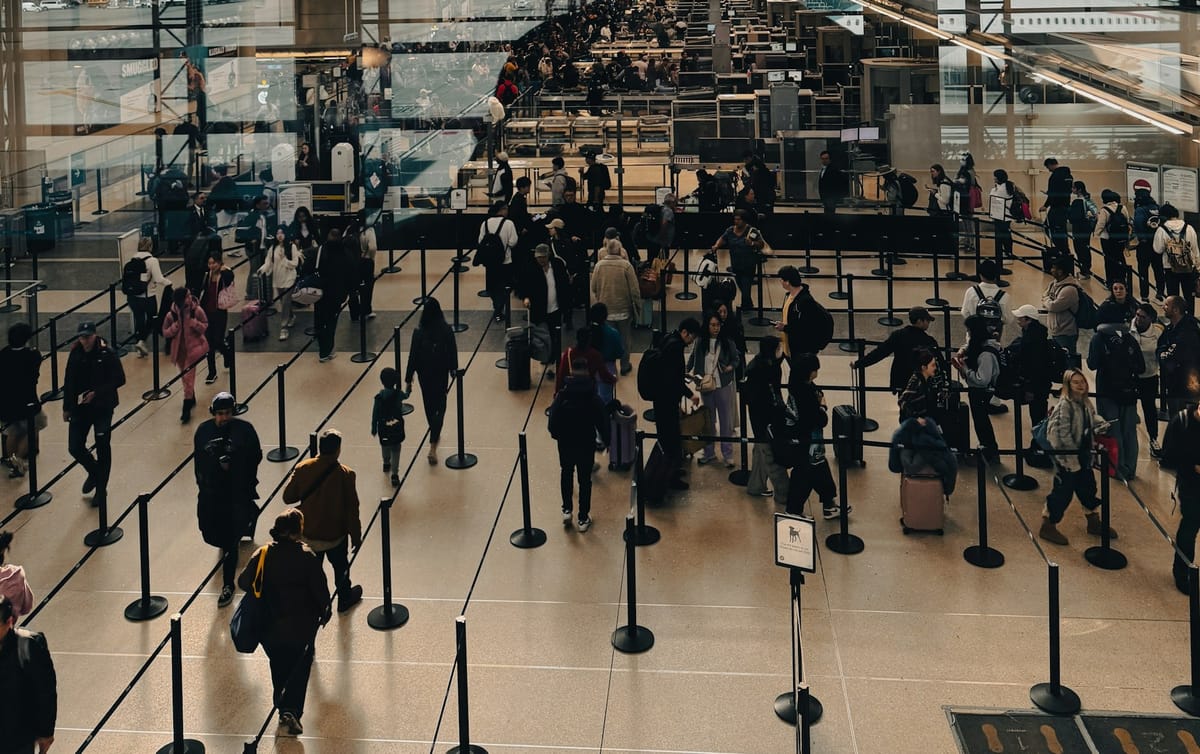
Travelers at airports across the country have already experienced longer wait times, with some security lines stretching for hours during the early stages of the busy spring travel season.
More than 300 TSA officers have reportedly left their positions since the shutdown began, while call-outs among remaining staff have increased. Some airports have also closed certain security checkpoints due to staffing constraints.
Airlines warned that the disruptions could worsen as spring travel accelerates. The industry expects approximately 171 million passengers to fly during the spring travel period.
How Rising Oil Prices Affect Airlines
At the same time airlines are dealing with operational disruptions, they are also facing rising fuel costs.
Oil prices have surged above $100 per barrel following geopolitical tensions in the Middle East, shifting expectations for the global oil market from a supply surplus to a potential deficit if disruptions continue.
Jet fuel is one of the largest operating expenses for airlines. When oil prices rise due to supply disruptions rather than stronger economic demand, carriers often struggle to pass those costs on to passengers quickly.
Analysts noted that refining margins for jet fuel have also increased, adding further cost pressure for airlines.
However, the impact of higher fuel costs can vary among airlines depending on their hedging strategies, route networks, and business models.
Could the Shutdown and Oil Shock Combine to Pressure Airlines?
The combination of operational disruptions and rising fuel costs could create a challenging environment for airlines if both trends persist.
Airport security staffing shortages can lead to longer lines, delays, and missed flights, potentially disrupting travel schedules during peak demand periods.
Meanwhile, higher fuel prices increase operating costs across airline fleets.
Some carriers may be better positioned to absorb higher costs depending on their balance sheets, revenue diversification, and exposure to fuel hedging strategies.
Airlines with international networks may also see shifts in passenger traffic depending on geopolitical developments affecting travel routes.
What It Means for Investors
The airline industry operates with several cost variables that can change quickly.
Fuel prices are a key factor because they represent a major share of operating expenses. At the same time, airport operations rely heavily on federal agencies such as the Transportation Security Administration and air-traffic control systems.
When disruptions occur in either area, airlines can experience operational challenges even if passenger demand remains strong.
With the spring travel season underway and airlines expecting record passenger volumes, both factors are currently shaping the market context for the sector.
Conclusion
U.S. airlines are currently navigating a combination of operational and economic pressures.
The government shutdown has disrupted airport security operations, creating long lines and staffing shortages at major airports just as travel demand increases.
At the same time, oil prices above $100 per barrel are raising jet fuel costs, a key expense for airline operations.
Together, these developments highlight how external factors—from government funding to global energy markets—can quickly influence conditions across the aviation industry.
FAQs
Why are airline executives urging Congress to end the shutdown?
Airline leaders say the shutdown has forced thousands of Transportation Security Administration officers to work without pay, which has led to staffing shortages and long security lines at airports.
How does a government shutdown affect airline operations?
A shutdown can disrupt agencies such as the TSA and air-traffic control. Staffing shortages at airport security checkpoints can lead to delays and longer wait times for travelers.
Why do higher oil prices affect airline profitability?
Jet fuel is one of the largest operating costs for airlines. When oil prices rise, fuel expenses increase, which can reduce airline profit margins.
Why are airport security lines getting longer?
More than 300 TSA officers have reportedly left their jobs during the shutdown, and absences among remaining workers have increased, creating staffing shortages.
How many passengers are expected to fly during spring travel?
Airlines expect around 171 million passengers to travel during the spring season, increasing pressure on airport operations during the shutdown.
This article was created with AI assistance and reviewed by an editor. For details, please refer to our Terms of Use.
Explore Research with Stock Investor
For readers evaluating long-term market opportunities, Stock Investor maintains a curated watchlist of companies selected for ongoing relevance and research focus. These names may not be referenced in this article but are tracked to support disciplined analysis and informed decision-making.
Join the SharperTrades Community
SharperTrades offers additional ways to follow markets more closely, including the Trading Room, where members discuss market developments and review price action in real time, as well as Swing Trade Alerts, and Option Income Alert, which provide curated ideas with educational context.
Learn More in the SharperTrades Academy
If you value the clear, explanatory approach of Market Brief, explore the SharperTrades Academy, where we publish in-depth educational content and self-paced programs covering technical analysis, options, and risk management to help traders and investors better interpret market behavior.
Track Market Participation with DarkOption Flow
For deeper insight into how markets behave during major events, DarkOption Flow provides tools designed to monitor market participation and activity. It can be used alongside price action analysis and market sentiment analysis, particularly during periods of elevated volatility.
Risk Disclosure
All content is provided for educational purposes only and does not constitute investment advice. Trading involves risk, and past performance is not indicative of future results. Please review our full Risk Disclosure for additional information.